
Selecting the right hand gloves for gym sessions is a highly individual decision that directly impacts your lifting performance, comfort, and hand health. The market is filled with various protective gear brands, each claiming to offer the ultimate combination of grip security and palm protection. However, the ideal glove is not a one-size-fits-all product; instead, it is the one that aligns with your specific training style, hand anatomy, and the exercises you perform most frequently. To make an informed choice, you must look past marketing buzzwords and focus on the physical construction, material science, and design philosophies that different manufacturers employ.
For lifters in warm and humid climates like Singapore, the decision becomes even more nuanced. Sweat can quickly compromise the friction between your hand and the glove, as well as the glove and the barbell, making breathability and material integrity critical factors. Whether you are performing high-repetition dumbbell circuits or executing heavy compound lifts, understanding how different brands structure their gloves will help you identify the exact pair that keeps your hands protected and your grip secure.
Core Specifications for Grip and Palm Protection
To evaluate any gym glove effectively, you must first understand the materials that sit between your skin and the iron. The palm area is the primary contact point, and manufacturers typically use one of three materials: genuine leather, synthetic microfiber, or silicone-infused fabrics. Genuine leather is highly valued for its natural durability and its ability to mold to the shape of your hand over time, offering a classic, high-friction grip when properly maintained. Synthetic microfibers, on the other hand, are engineered to resist moisture absorption, making them lighter and less prone to stiffening after repeated exposure to sweat. Silicone overlays, often printed in geometric patterns on top of synthetic bases, provide high surface friction against smooth metal handles, though they may wear down faster under aggressive knurling.
Products mentioned in this guide
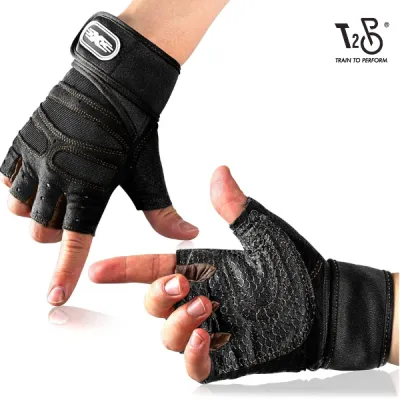
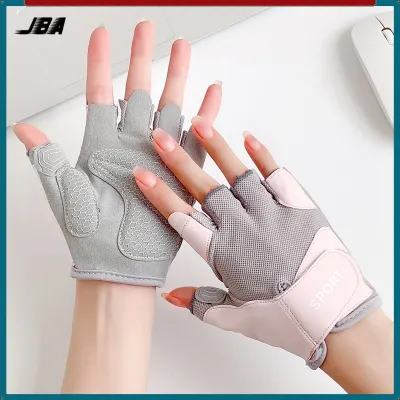
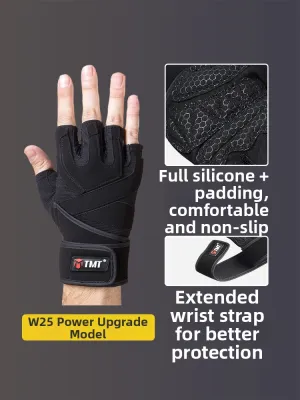
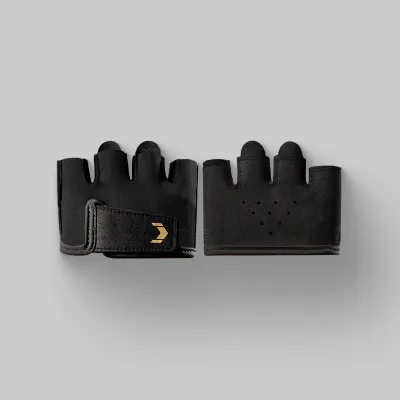
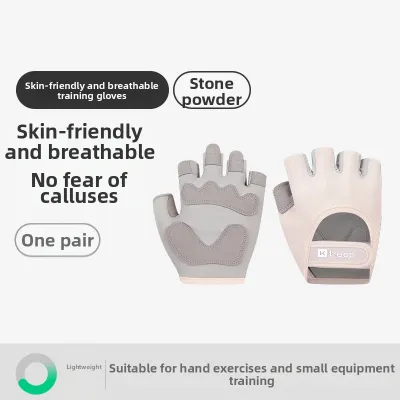
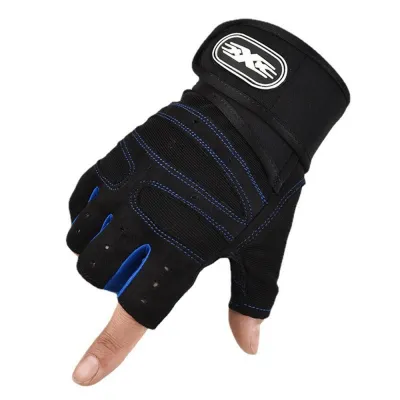
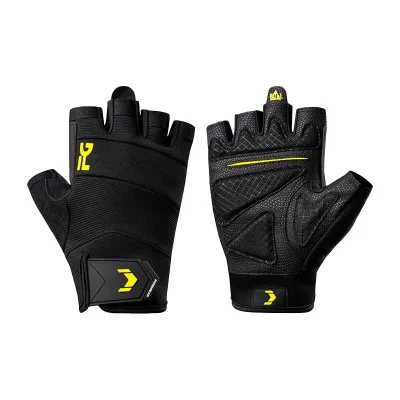
Prices are valid at publication and may change. Please refer to the product page for the latest price.
Padding is another critical specification that varies widely across different brands and product lines. High-density foam and gel inserts are the two primary padding materials used to absorb impact and distribute pressure across the palm. Gel inserts excel at dampening vibrations and reducing localized pressure points, which is highly beneficial when gripping heavy dumbbells or handles on cable machines. However, excessive or poorly placed padding can create a bulky barrier that distances your hand from the bar, reducing your tactile feedback and making the bar feel thicker than it actually is. Ergonomic padding zones, which leave the natural creases of your hand free of bulk, help maintain natural finger flexion while still protecting the high-pressure areas at the base of your fingers.
The wrist closure and support system completes the structural integrity of the glove. Most gym gloves utilize a hook-and-loop strap system, but the width and stiffness of these straps vary. Standard closures focus purely on keeping the glove secure on your hand, using thin, flexible bands that sit below the wrist joint. Supportive designs feature extended, rigid wrist wraps that wind around the joint multiple times to provide lateral stability during heavy pressing movements. Consider whether your routine requires maximum wrist mobility or rigid support to prevent joint hyperextension under heavy loads.
Evaluating Brand Design Approaches
Different protective gear brands approach glove design with distinct philosophies, usually falling along a spectrum between minimalist utility and maximum protection. Minimalist brands design gloves that act almost like a second skin, utilizing ultra-thin palm materials and omitting padding entirely. This approach is favored by lifters who demand maximum tactile feedback and want to feel the knurling of the barbell directly, using the glove primarily as a barrier against sweat and minor skin abrasions. The trade-off is that minimalist gloves offer very little pressure relief, meaning your palms will still bear the full force of heavy loads, which can lead to discomfort during high-volume training.

Conversely, brands that focus on maximum protection utilize multi-layered palm constructions, thick gel padding, and integrated wrist wraps. These gloves are engineered to minimize hand fatigue and protect the delicate structures of the palm and wrist from bruising and strain. While they excel at providing comfort during heavy pushing exercises like the bench press or shoulder press, they can make pulling exercises more challenging. The added thickness of the palm padding effectively increases the diameter of the bar, which can prematurely fatigue your forearm muscles and weaken your grip during deadlifts or pull-ups.
Beyond padding, the construction of the back of the glove is a major differentiator among brands. Many manufacturers incorporate technical fabrics such as open-mesh panels, perforated neoprene, or moisture-wicking spandex to facilitate airflow and heat dissipation. In humid environments, a glove that traps heat will quickly become saturated with sweat, leading to internal slippage and odor. When comparing brands, look for ventilation zones between the fingers and on the back of the hand, and verify these features by checking the manufacturer’s detailed material specifications.
Condition-Based Selection Guide
Choosing the right glove requires matching these design philosophies to your specific training environment and goals. If your workout routine consists primarily of high-repetition dumbbell work, kettlebell swings, or machine-based resistance training, a heavily padded, ergonomic glove is highly suitable. The constant friction and varied angles of these movements can quickly cause skin irritation and joint fatigue, which thick gel or foam padding is specifically designed to mitigate. These gloves help distribute the weight evenly across your palm, allowing you to focus on muscle contraction rather than hand discomfort.
For lifters who prioritize heavy barbell work, such as deadlifts, squats, and rows, a minimalist glove with a thin leather or high-grip synthetic palm is a much better fit. In these movements, maintaining a secure, unyielding connection to the bar is paramount. A thin palm material ensures that you can wrap your fingers completely around the shaft, maximizing the mechanical advantage of your grip. Before purchasing, it is wise to verify if the glove’s palm thickness and finger gussets accommodate the specific bar diameters and knurling patterns at your gym, as overly thick seams can pinch the skin when wrapping around a standard 28mm barbell.
It is also important to recognize the limitations of gym gloves when it comes to specialized lifting styles. If your training involves Olympic weightlifting movements like the clean and jerk or the snatch, standard gym gloves may actually hinder your performance. These lifts require rapid hand transitions and a hook grip, where the thumb is wrapped under the fingers. The bulk of a glove can interfere with this precise grip, and standard wrist supports do not offer the specific stabilization needed for overhead catches. In these scenarios, dedicated lifting straps, wrist wraps, or athletic tape are far more appropriate.
Sizing, Fit, and Pre-Purchase Checks
No matter how advanced a glove’s technology is, it will fail to perform if it does not fit your hand correctly. To find your size, you must accurately measure your hand rather than guessing based on everyday apparel. Use a flexible measuring tape to measure the circumference of your dominant hand just below the knuckles, excluding the thumb. Additionally, measure the length from the base of your palm to the tip of your middle finger. Cross-reference both measurements with the specific sizing chart provided by the brand, as sizing standards can vary significantly between manufacturers; a medium in one brand may easily be a small or large in another.
When trying on a new pair of gloves, look for specific physical signs of a proper fit. The glove should feel snug but not constricting, with your fingers able to bend fully without the material pinching or cutting off circulation. Pay close attention to the palm area when you close your hand into a fist; if the material bunches up significantly, the glove is too large, and this excess fabric will fold and pinch your skin under heavy loads, defeating the purpose of palm protection. Conversely, if you feel excessive tension across the back of your hand or between your fingers when gripping, the glove is too small and may tear prematurely at the seams.
Finally, when purchasing protective gear from online sports retailers, always verify the return policies, trial conditions, and warranty terms. Since fit is highly subjective and crucial to performance, look for retailers that offer hassle-free exchanges for sizing issues. Check if the manufacturer offers a warranty against stitching failures or material defects, which can occur under the high-stress conditions of weightlifting. Investing a few minutes to read the fine print can save you from being stuck with a pair of gloves that do not fit.
Frequently Asked Questions (FAQ)
Do gym gloves prevent calluses completely?
While gym gloves significantly reduce the direct friction and abrasion that lead to callus formation, they do not guarantee completely smooth hands. Calluses are the body’s natural defense against pressure, and even with gloves, your skin will still experience compression and minor shifting under heavy weights. If the gloves fit poorly and bunch up, they can actually create new pressure points that contribute to callus development. To minimize calluses, combine glove use with proper grip technique—placing the bar at the base of your fingers rather than in the middle of your palm—and maintain a regular hand care routine that includes moisturizing and gently filing down rough skin.
How should gym gloves be cleaned to maintain grip?
To preserve the friction properties and structural integrity of your gloves, they must be cleaned regularly and correctly. Most synthetic and leather-hybrid gloves should be hand-washed in cool water using a mild detergent, as the high heat and agitation of washing machines can degrade the stitching and dry out leather components. Gently squeeze the soapy water through the material without wringing or twisting the gloves excessively. After rinsing thoroughly, reshape the gloves and allow them to air dry completely in a well-ventilated area away from direct sunlight or heat sources, which can cause materials to shrink and stiffen.
Are lifting straps a better alternative to gloves for heavy pulling?
Lifting straps and gym gloves serve entirely different purposes and should be chosen based on your specific training goals. Gym gloves are designed to protect the skin of your entire hand from friction and provide a general grip enhancement across all exercises. Lifting straps, however, are specialized tools designed specifically for heavy pulling movements like deadlifts, shrugs, and rows; they wrap around the bar to lock your wrists directly to the weight, bypassing grip fatigue entirely. If your primary goal is to protect your palms from calluses during a varied workout, gloves are the correct choice, but if your grip is failing before your target muscles are fully fatigued during heavy pulls, transitioning to lifting straps is highly beneficial.

Community discussion
Share your experience or ask a question. Comments are reviewed before publication.