
Selecting the right badminton racket bag is just as important as choosing the right racket. The ideal bag does not simply carry your gear; it protects your high-tension strings from humidity, organizes your shoes and sweaty apparel, and ensures a comfortable commute to the court. While Yonex, Victor, and Li-Ning all produce excellent options, the best brand for you depends entirely on your specific playing habits, gear volume, and carrying preferences.
Generally, Yonex excels in tournament-oriented structures and advanced thermal protection, making it a favorite for competitive players. Victor focuses heavily on ergonomic versatility and highly practical, multi-functional layouts that suit daily club players. Li-Ning stands out for its bold, modern aesthetics and innovative material finishes that appeal to style-conscious athletes. To make the right choice, you must look past brand reputation and verify specific model dimensions, compartment layouts, and material specifications.
How to Evaluate Build Quality and Features
Before investing in a new badminton racket bag, knowing how to inspect its physical construction will help you choose a model that lasts for seasons. High-quality bags use durable fabrics, robust zippers, and reinforced stitching at critical stress points.
Products mentioned in this guide
![[😀SG Ready Stock]YONEX YY 1408 series professional badminton bag independent shoe compartment](https://img.lazcdn.com/g/p/bc37ab997b30faf8deb8c0917f220fb4.jpg_400x400q80.jpg_.webp)
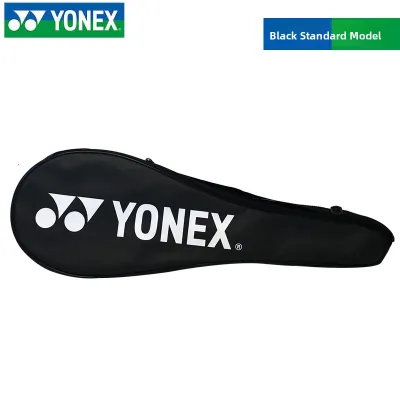
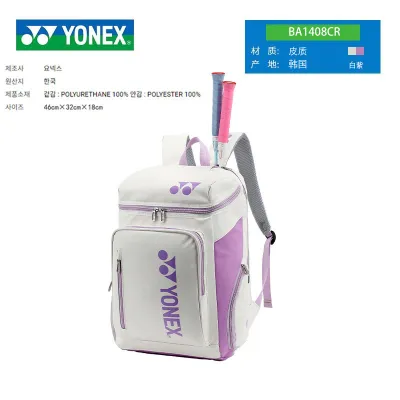
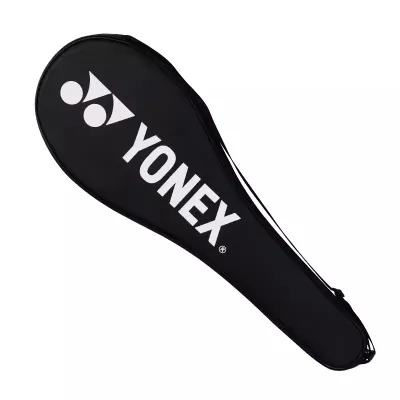
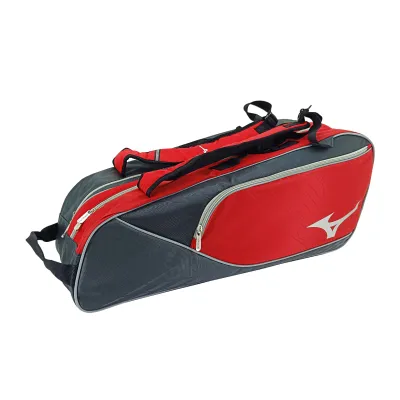
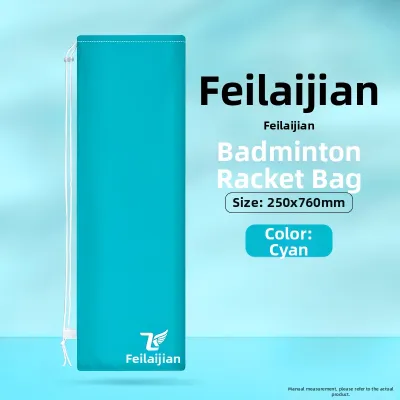
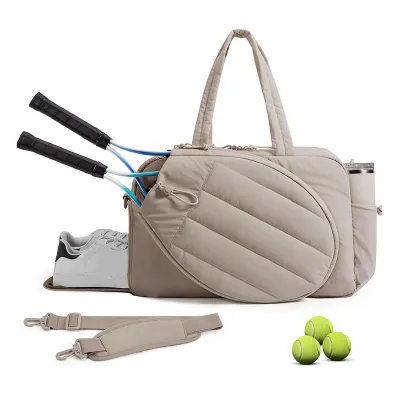
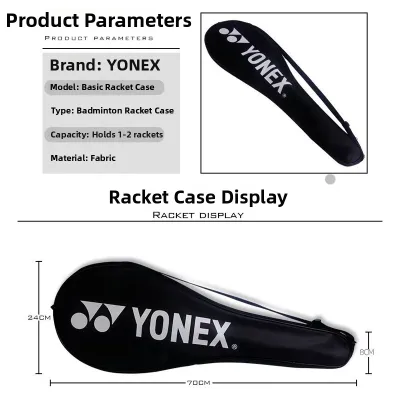
Prices are valid at publication and may change. Please refer to the product page for the latest price.
Material and Durability Checks
When examining a bag, look for the denier rating of the fabric, which indicates the thickness and density of the fibers. Bags made with 900D or 1680D polyester or nylon offer excellent resistance to abrasions and tears.
Check the exterior surface for water-resistant coatings or thermoplastic polyurethane (TPU) laminates. These materials prevent light rain or spilled drinks from soaking through to your rackets and clean clothes.
Inspect the zippers closely, as they are often the first point of failure on a heavily loaded bag. Look for thick, heavy-duty zipper tracks and smooth-sliding metal pulls that do not catch on the fabric lining.
Pull gently on the seams where the shoulder straps meet the main body of the bag. This area experiences the most tension, so look for reinforced cross-stitching or double-seaming to ensure the straps will not rip over time.
Compartment Organization
Evaluate how the bag divides its space to accommodate your specific gear list. A dedicated racket compartment should have enough padding to prevent frames from clashing against each other during transit.
Look for a separate, ventilated shoe compartment, ideally accessed from the bottom or side of the bag. Proper ventilation grommets are essential to let moisture escape, preventing odor buildup and keeping your court shoes separate from clean apparel.
Check for dedicated wet-dry pockets made from waterproof linings. These are incredibly useful for storing sweaty shirts, towels, or wristbands immediately after a grueling session on the court.
Small-item organizers, such as zippered mesh pockets or dedicated phone sleeves, keep your keys, grip tape, scissors, and extra strings from getting lost at the bottom of a large compartment.
Comfort and Carrying Systems
Carrying a fully loaded bag with multiple rackets, shoes, water bottles, and shuttles can put significant strain on your shoulders and back. Wide, heavily padded shoulder straps are crucial for distributing this weight evenly.
Look for adjustable chest straps or sternum clips. These keep the shoulder straps from slipping off your shoulders while you are walking or riding a bicycle to the sports hall.
Inspect the back panel of the bag for breathable mesh padding or raised ventilation channels. This design allows air to circulate between your back and the bag, reducing sweat buildup during warm commutes.
Brand Design Philosophies and Verification Points
Each of the three major brands approaches bag design with a distinct philosophy. Understanding these differences allows you to match their strengths to your personal storage and travel needs.

Yonex: Structured Protection and Tournament Capacity
Yonex bags are highly regarded for their structured, rigid shapes that maintain their form even when completely empty. This structural integrity provides excellent impact protection for your rackets.
Many high-end Yonex models feature dedicated thermal-lined compartments designed to shield your rackets from extreme temperature changes. This is particularly useful for preserving string tension in tropical climates.
What to verify:
- Padding thickness: Feel the outer walls of the racket compartment to ensure the foam padding is thick enough to absorb impacts.
- Internal dividers: Check if the main compartment has adjustable dividers to customize your storage space.
- Shell rigidity: Inspect whether the bag uses molded plastic panels or soft fabric, as molded panels offer superior structural protection but less flexibility when packing into tight spaces.
Victor: Ergonomic Versatility and Practical Layouts
Victor focuses on creating highly functional bags that adapt easily to different carrying styles and daily routines. Many of their models feature multi-way carrying systems that transition smoothly from a backpack to a shoulder duffel.
Their compartment layouts prioritize quick access, making it easy to grab your water bottle, keys, or a fresh racket between games without rummaging through the entire bag.
What to verify:
- Strap attachment points: Ensure the swivel buckles and clips are made of durable, high-density plastic or metal that can handle frequent adjustments.
- Shoe compartment clearance: Verify that inserting your shoes does not completely crush the usable space in the adjacent main compartment.
- Pocket accessibility: Check if the external accessory pockets are easy to unzip while the bag is slung over one shoulder.
- Strap storage: Look for dedicated pockets where you can tuck away unused backpack straps to prevent them from dragging on the floor.
Li-Ning: Bold Aesthetics and Modern Material Finishes
Li-Ning is known for pushing the boundaries of badminton bag design with bold colorways, modern silhouettes, and unique fabric textures. They frequently use matte finishes, synthetic leather, and iridescent materials.
While highly stylish, these bags do not compromise on basic protection, offering spacious compartments and solid overall construction for players who want to stand out on the court.
What to verify:
- Base durability: Inspect the bottom of the bag to see if it features a reinforced, easy-to-wipe material or protective rubber feet to prevent wear on dusty court floors.
- Material scuffing: Check if the matte or synthetic leather finishes are prone to scratching or scuffing during transit.
- Seam strength around decorative panels: Examine the stitching where different decorative materials meet to ensure there are no loose threads or weak points.
Decision Framework: Which Brand Should You Choose?
To make your final decision, align the unique design strengths of each brand with your playing frequency, transportation methods, and aesthetic preferences.
Choose Yonex if:
- You carry multiple high-tension rackets and require maximum thermal protection to prevent tension loss.
- You prefer a highly structured, traditional rectangular bag that keeps your gear perfectly organized and upright.
- You participate in frequent tournaments and need a high-capacity bag that can hold six or more rackets alongside extensive spare gear.
Choose Victor if:
- You commute to the courts via public transport, walking, or cycling, and prioritize ergonomic backpack straps and balanced weight distribution.
- You want a versatile bag that can double as a travel duffel or gym bag when you are not playing badminton.
- You value quick-access pockets and modular compartments that let you organize your gear dynamically.
- You prefer a lightweight design that does not add unnecessary bulk to your daily carry.
- You need a bag that fits comfortably into smaller lockers or tight storage spaces at your local sports center.
Choose Li-Ning if:
- You want a distinctive, modern look with unique fabric finishes and bold color schemes that stand out from traditional bag designs.
- You prefer synthetic leather or matte textures that are easy to wipe clean after outdoor use.
- You want a balance of reliable gear protection and contemporary lifestyle styling that transitions easily from the court to casual social settings.
Verification Checklist Before Buying
Before finalizing your purchase, run through this quick checklist to ensure the specific model fits your lifestyle:
- Racket Count: Do you carry 3, 6, or 9+ rackets? Ensure the physical dimensions of the bag match your actual gear volume, keeping in mind that shoes and clothing will reduce the stated racket capacity.
- Specialized Compartments: Do you need a dedicated laptop sleeve for work-to-court transitions, or a fully waterproof pocket for wet towels?
- Carrying Style: Do you prefer a traditional rectangular tournament bag, a standing backpack, or a duffel-style bag?
- Storage Space: Do you have a safe, dry place at home to store a large, rigid bag, or do you need a softer model that can fold flat when empty?
Frequently Asked Questions (FAQ)
How many rackets should a good badminton bag hold?
The ideal capacity depends on your playing level and how often you break strings. Casual players who carry one or two rackets will find a 3-racket bag or a specialized badminton backpack perfectly sufficient, leaving enough room for a tube of shuttles and a water bottle.
Regular club players who carry two to four rackets, a pair of court shoes, and a change of clothes should look for a 6-racket bag. This size offers the best balance of storage and portability. Competitive tournament players and coaches who need to carry multiple backup rackets, training gear, and extensive accessories should opt for a 9-racket or 12-racket bag.
Always check the physical dimensions of the bag rather than relying solely on the racket count rating. A 6-racket bag will rarely hold six rackets comfortably if you also pack a pair of bulky court shoes and a thick towel into the main compartments.
Is a thermal-lined pocket necessary for all players?
Thermal-lined pockets are highly beneficial but not strictly necessary for everyone. These specialized compartments use heat-reflective foil linings to protect your rackets and strings from extreme temperature fluctuations and high humidity.
If you frequently play on outdoor courts, live in a hot and humid climate, or often leave your sports bag in the trunk of a car, a thermal compartment is highly recommended. Extreme heat can cause racket frames to warp and strings to lose tension rapidly.
However, if you only play in indoor, climate-controlled sports halls and transport your gear directly from your air-conditioned home to the court, a standard padded compartment will provide adequate protection.
How do I clean and maintain my badminton bag?
To extend the lifespan of your bag, empty all compartments completely after every playing session. Remove sweaty clothes, damp towels, and loose shuttlecock feathers immediately to prevent mold and unpleasant odors from developing.
Wipe the interior and exterior surfaces with a soft cloth dampened with lukewarm water and a tiny amount of mild soap. Avoid using harsh chemical detergents, bleach, or abrasive brushes, as these can strip away water-resistant coatings and damage thermal linings.
Never put your badminton bag into a washing machine or a tumble dryer unless the manufacturer’s care label explicitly states it is safe to do so. Instead, open all the zippers and allow the bag to air dry completely in a shaded, well-ventilated indoor area away from direct sunlight.

Community discussion
Share your experience or ask a question. Comments are reviewed before publication.