
Selecting the right kettlebell handle design is a foundational decision that directly impacts your training safety, comfort, and progression. The choice between a competition kettlebell and a traditional cast iron kettlebell is not merely aesthetic; it alters how the weight interacts with your hand, wrist, and forearm during ballistic movements. Your hand size, grip strength, and primary training style—whether you focus on high-repetition endurance or heavy, two-handed strength lifts—should guide your decision. By understanding how handle geometry and surface finishes affect your biomechanics, you can select an implement that supports your fitness goals without causing unnecessary joint strain or skin irritation.
In Singapore’s growing home fitness community, where space in HDB apartments often limits the size of a home gym, choosing the right style of kettlebell becomes even more critical. A single, well-chosen kettlebell can serve multiple training purposes, but only if the handle design matches your physical dimensions and movement patterns. Investing in a high-quality kettlebell, which typically ranges from S$80 to over S$200 depending on the weight and material, requires a clear understanding of how competition and cast iron designs differ. Evaluating these structural variations before purchasing ensures that your investment translates into safe, effective, and consistent workouts.
Core Differences in Handle Design and Geometry
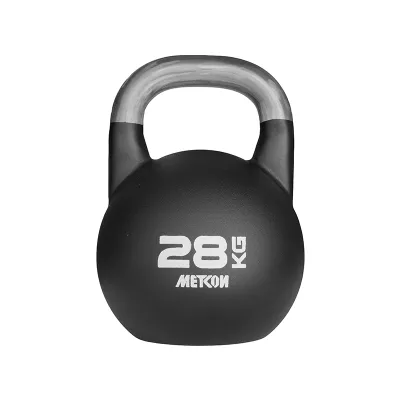
The primary distinction between competition and cast iron kettlebells lies in their structural consistency across different weight increments. Competition kettlebells, often constructed from steel, maintain a uniform external size and handle geometry regardless of whether the bell weighs 8 kilograms or 32 kilograms. The handle of a competition kettlebell is straight, with a uniform diameter that typically measures around 33 millimeters to 35 millimeters, though some specialized models offer a 33-millimeter option for smaller hands. This design ensures that as you progress to heavier weights, the physical dimensions of the handle and the window space inside the horns remain identical, allowing your technique to remain completely unchanged.
Products mentioned in this guide
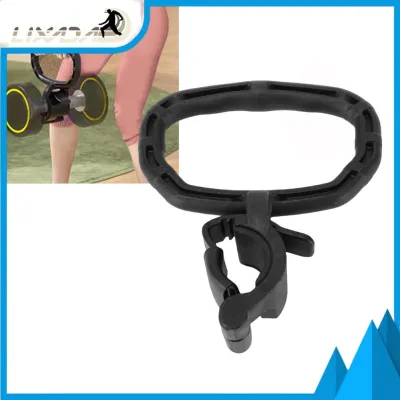
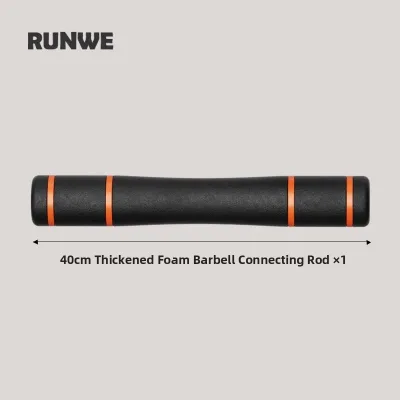
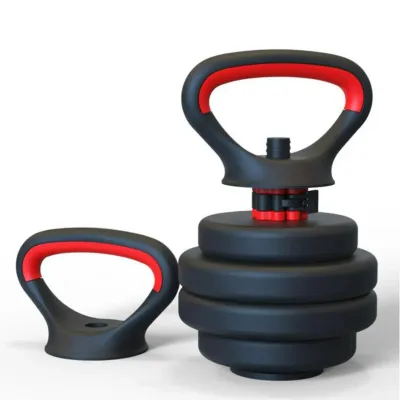
Prices are valid at publication and may change. Please refer to the product page for the latest price.
In contrast, traditional cast iron kettlebells feature a tapered handle design where the dimensions scale dynamically with the weight of the bell. A lighter cast iron kettlebell will have a thinner handle and a smaller window, while a heavier bell will feature a significantly thicker handle and a wider window to accommodate two hands. The horns of a cast iron kettlebell curve outward from the bell’s body, creating a slightly arched grip area that is wider at the top than at the base. This variable geometry means that every time you increase the weight of a cast iron bell, your hands must adapt to a new grip thickness and a different spatial relationship with the weight.
Surface finishes also differ significantly between the two styles and play a critical role in grip friction and hand health. Competition steel handles are typically left as bare, polished steel or finished with a light, smooth texture designed to hold gym chalk effectively without tearing the skin during high-repetition snatches. Cast iron kettlebells, on the other hand, are commonly coated in powder paint, e-coat, or vinyl. These coatings provide varying levels of texture and rust protection, which is particularly important in Singapore’s humid climate. Before purchasing, it is essential to verify the specific coating on the product label, as some glossy finishes can become exceptionally slippery when wet with sweat, while rougher powder coats may require chalk to prevent friction blisters.
How Handle Shape Affects Grip and Biomechanics
The physical shape of the kettlebell handle directly influences how forces are distributed through your fingers, palms, and wrists during dynamic movements. The straight, uniform handle of a competition kettlebell is optimized for single-handed exercises where the bell must rotate smoothly within the hand. Because the handle is flat and parallel to the floor, it allows the hand to slide easily into the “insertion” phase of snatches and cleans, where the bell rests against the forearm. This straight profile helps distribute the pressure evenly across the palm, reducing the risk of localized friction points that can lead to torn calluses during high-volume training sessions.

However, the straight handle of a competition bell presents distinct challenges for two-handed movements, particularly for individuals with wider hands or broader shoulders. Because the handle width is fixed and relatively narrow, fitting both hands side-by-side can force the wrists into an unnatural, angled position, or require you to overlap your pinky fingers. For users with smaller palms, the uniform 33-millimeter or 35-millimeter diameter of a competition handle can also feel excessively thick, leading to rapid forearm fatigue during long sets. The consistent window size must be checked against your forearm thickness to ensure that the bell does not press uncomfortably against your wrist bones when held in the rack position.
Tapered cast iron handles offer a different biomechanical profile that excels in two-handed strength movements. The curved horns and wider top portion of a cast iron handle provide ample space for both hands to grip the bell comfortably side-by-side, promoting a neutral wrist alignment during heavy swings. When performing single-arm movements, the tapered shape allows the hand to slide toward the corner of the handle, which can alter the leverage and make the bell feel more stable in the rack position. However, because the handle thickness increases with weight, transitioning to a heavier cast iron bell can suddenly place a much greater demand on your grip strength, potentially limiting your ability to perform ballistic movements before your larger muscle groups are fully fatigued.
Matching the Handle to Your Training Style
Aligning your kettlebell selection with your specific training methodology is crucial for long-term progress and injury prevention. Competition kettlebells are specifically engineered for Girevoy Sport (kettlebell sport), which emphasizes high-repetition endurance in movements like the snatch, clean, and jerk. If your training routine involves performing continuous, single-arm sets lasting several minutes without setting the bell down, the uniform handle of a competition bell is highly advantageous. The consistent dimensions allow you to build precise muscle memory, ensuring that your hand placement and wrist insertion remain identical even as you transition to heavier weights to increase your training volume.
For general strength conditioning, functional fitness, and power-focused training, cast iron kettlebells are often the more practical choice. If your workouts center on heavy two-handed swings, goblet squats, deadlifts, and overhead presses, the variable handle size of a cast iron bell feels highly intuitive. The ability to comfortably fit both hands on the handle allows you to generate maximum power during swings without worrying about your grip slipping or your wrists bending awkwardly. Additionally, cast iron bells are generally more compact in their overall dimensions at lighter weights, making them easier to store and maneuver during floor-based exercises like the Turkish get-up or renegade rows.
Hybrid athletes who incorporate both high-repetition sport-style drills and heavy strength work into their routines must carefully consider their purchasing strategy. One effective approach is to utilize a mixed inventory, selecting competition kettlebells for single-arm ballistic movements where consistency is paramount, and cast iron kettlebells for heavy, two-handed strength lifts. If budget or space constraints require you to choose a single style, evaluate which movement type constitutes the majority of your training. For those focusing primarily on general fitness with occasional single-arm work, a high-quality powder-coated cast iron bell offers excellent versatility, whereas those aspiring to master technical kettlebell sport lifts will benefit most from committing to the competition standard early in their training journey.
Hand Size and Grip Strength Considerations
Before finalizing a kettlebell purchase, it is essential to assess your physical hand dimensions and current grip capacity against the manufacturer’s specifications. To determine the most compatible handle diameter, measure the width of your palm across the knuckles and the length of your middle finger. Most competition kettlebells feature a standard handle diameter of 35 millimeters, though some manufacturers produce a 33-millimeter variant specifically designed for smaller hands or junior lifters. Cast iron kettlebell handles typically range from approximately 28 millimeters on lighter bells (such as 8 kilograms) up to 38 millimeters or more on heavy strength bells (32 kilograms and above).
If you have smaller hands or a developing grip, a handle that is too thick can cause premature forearm fatigue, leading to a breakdown in form and an increased risk of dropping the weight. A wider, uniform competition handle requires more active finger flexion to secure, which can be challenging during high-repetition sets if your grip strength is not yet fully developed. Conversely, a handle that is too thin can pinch the skin of the palm, leading to painful blisters and calluses. For individuals with larger hands, a thin handle on a light cast iron bell may feel unstable, as there is too much empty space within the closed fist, preventing a secure connection with the implement.
To ensure a safe and comfortable fit, always verify the exact handle diameter, window height, and horn spacing on the manufacturer’s product specification sheet before buying. Do not rely solely on generic category descriptions, as dimensions can vary significantly between different brands and manufacturing batches. If you are purchasing online through a local Singaporean fitness retailer or ecommerce platform, look for detailed technical drawings or contact customer support to confirm the measurements. Verifying these specifications beforehand prevents the inconvenience of returning heavy equipment and ensures that your new kettlebell immediately integrates seamlessly into your training routine.
Decision Framework: Which Kettlebell Handle Should You Buy?
To make an informed decision, evaluate your training priorities and physical requirements against this structured framework. Choose a competition kettlebell if your primary training goal is kettlebell sport, if you perform high-repetition single-arm snatches and cleans, or if you want a consistent handle size that does not change as you progress to heavier weights. This style is ideal for lifters who prioritize technical precision, consistent wrist insertion, and single-arm movement efficiency, and who are comfortable using chalk to manage grip friction on bare steel or smooth finishes.
Choose a cast iron kettlebell if your routine is built around general strength training, heavy two-handed swings, goblet squats, and multi-joint compound movements. This design is highly suited for fitness enthusiasts who prefer a textured grip coating, require ample space for two-handed exercises, and appreciate a more compact bell size at lighter weights. It is also the more budget-friendly option for those building a progressive home gym set, provided you are comfortable adapting to thicker handles as you increase the weight of your lifts.
Before making your final selection, verify your personal measurements against the manufacturer’s spec sheet, especially if you fall between standard hand sizes or have existing wrist mobility limitations. Check the specific handle coating—such as powder coat, e-coat, or chrome—to ensure it matches your preferences for sweat management and chalk usage. By systematically matching the handle geometry to your hand size and movement patterns, you will secure a kettlebell that enhances your performance, protects your joints, and supports your long-term strength journey.
Frequently Asked Questions (FAQ)
Can I use a competition kettlebell for heavy two-handed swings?
Yes, you can perform two-handed swings with a competition kettlebell, but it may feel restrictive depending on your hand size and shoulder width. Because competition handles have a fixed, straight width that is narrower than many cast iron handles, fitting both hands side-by-side can be difficult. This narrow spacing often forces the wrists to turn inward or requires you to grip the handle with only three fingers per hand while letting your pinky fingers hang off the sides. If two-handed swings are the cornerstone of your training, a cast iron kettlebell with a wider, tapered handle window generally provides a more comfortable and secure grip.
Does the handle coating change the effective grip diameter?
Yes, the type of coating applied to a kettlebell handle can slightly alter both its physical thickness and its tactile feel. Thick coatings, such as heavy vinyl encasements or thick layers of glossy paint, can add a millimeter or more to the handle’s overall diameter while making the surface slick when exposed to sweat. High-quality powder coatings and e-coatings provide a very thin, durable layer that preserves the original metal dimensions while offering a textured surface that holds chalk well. When reviewing manufacturer specifications, check whether the listed handle diameter refers to the bare metal or the finished product, and choose a coating that aligns with your grip preferences.

Community discussion
Share your experience or ask a question. Comments are reviewed before publication.