
A waterproof rating (expressed in millimeters, such as 1,200mm or 3,000mm) indicates the height of a water column a fabric can withstand before water begins to penetrate. For a lightweight tent, this rating represents a delicate balance between weather protection and pack weight. While a higher rating suggests greater resistance to water pressure, it often requires thicker coatings or heavier fabrics, which can compromise the portability of your shelter.
To choose the right lightweight tent, you must look beyond the raw numbers. Understanding how these ratings are tested, how they interact with lightweight materials, and how they perform alongside structural design elements will help you select a shelter that keeps you dry without weighing down your pack.
What the Millimeter (mm) Waterproof Rating Actually Measures
The millimeter rating on a lightweight tent refers to the hydrostatic head test, a standardized laboratory method used to measure fabric water resistance. During this test, a column of water is placed over a piece of taut fabric, and the water level is gradually increased. The rating represents the height of the water column, in millimeters, at the moment water begins to seep through three distinct points on the material. For example, a 1,500mm rating means the fabric resisted a 1,500-millimeter-tall column of water before leaking.
Products mentioned in this guide
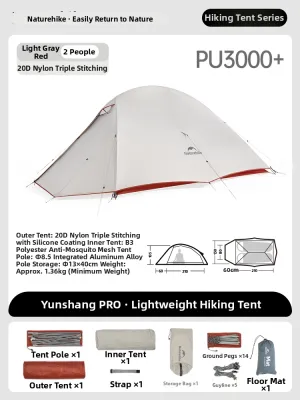
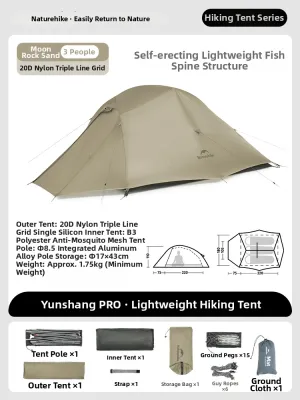
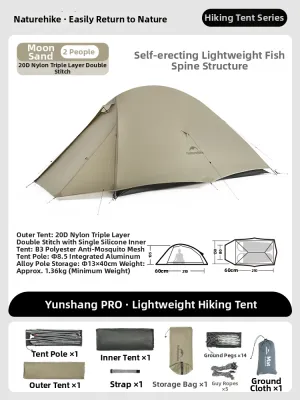
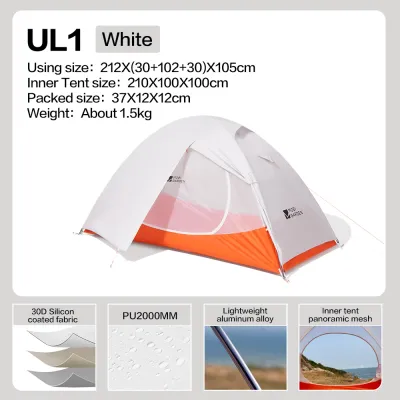
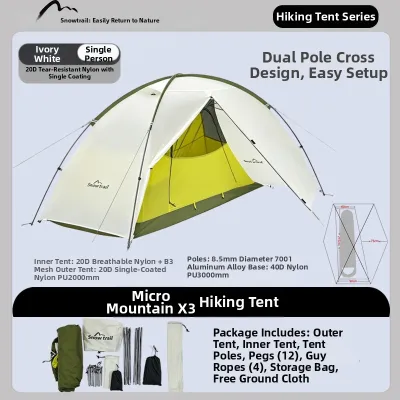
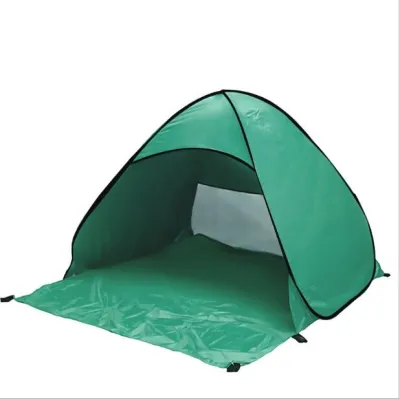
Prices are valid at publication and may change. Please refer to the product page for the latest price.
It is crucial to understand that this measurement evaluates the fabric itself under static laboratory conditions, not the entire tent in a dynamic storm. The rating does not account for real-world variables like wind-driven rain, physical wear, or the impact of heavy drops. A fabric with a high rating can still let water in if other design elements are weak.
Furthermore, testing standards can vary between regions and manufacturers. Some brands report the minimum rating a fabric will have at the end of its expected lifespan, while others report the rating of the brand-new fabric straight out of the factory. Because of these differing methodologies, direct numerical comparisons between different brands can sometimes be misleading, making it essential to verify the manufacturer’s specific testing criteria.
The Lightweight Tent Trade-Off: Waterproofness vs. Pack Weight
In the design of a lightweight tent, every specification involves a compromise. To achieve a higher waterproof rating, manufacturers typically apply thicker polyurethane (PU), silicone, or blended coatings to the fabric. While these coatings block water effectively, they also add physical weight and bulk to the tent fabric, directly opposing the goal of a highly packable, ultralight shelter.

To keep weight to a minimum, premium lightweight tents often utilize thin, high-tensile fabrics like low-denier nylon or polyester, paired with specialized silicone coatings. These advanced materials can achieve reliable water resistance with much thinner coatings than standard budget tents. Consequently, a high-end lightweight tent might feature a seemingly modest rating of 1,200mm to 1,500mm, yet perform exceptionally well due to the inherent strength and water-shedding properties of the base fabric.
Additionally, the physical geometry of the tent plays a major role in managing water. A tent with steep, aerodynamic walls allows rain to shed rapidly, reducing the time water sits on the fabric and minimizing the pressure exerted on the material. This structural efficiency means a well-designed lightweight tent does not need an excessively high waterproof rating to keep you dry in typical camping conditions.
Matching Waterproof Specs to Your Expected Weather Conditions
Selecting the right waterproof rating requires matching the tent’s specifications to your intended camping environment and skill level. For general three-season camping in moderate climates, a rainfly rating of 1,200mm to 1,500mm is widely considered the baseline for reliable protection. This range is typically sufficient to withstand standard rain showers and light wind without adding unnecessary weight to your pack.
If you anticipate frequent exposure to sustained rain, heavy downpours, or high-altitude winds, you should look for a rainfly rating of 2,000mm to 3,000mm. Wind-driven rain increases the physical pressure exerted on the fabric, which can force water through lower-rated materials. For extreme winter conditions or high-risk alpine environments, specialized four-season tents may feature even higher ratings, though these shelters will be significantly heavier and less breathable.
Before purchasing, always check the manufacturer’s guidelines regarding the tent’s seasonal classification and intended use. Remember that equipment cannot replace proper outdoor training and judgment; if severe, high-risk weather is forecasted, evaluating your ability limits and knowing when to postpone a trip is far more critical than relying solely on a tent’s technical specifications.
Beyond the Rainfly: Floor Ratings, Seams, and Zippers
While the rainfly shields you from falling rain, the tent floor faces a completely different set of challenges. The floor must withstand the pressure of your body weight, knees, and gear pressing down against saturated ground. This concentrated pressure can easily force moisture through lightweight fabrics, which is why tent floors typically require a significantly higher waterproof rating than the rainfly—often ranging from 3,000mm to 5,000mm or more.
Even the highest fabric rating will fail to keep you dry if the tent’s construction is compromised. Water is far more likely to enter through unsealed seams, stitching holes, and zippers than through the fabric itself. When evaluating a lightweight tent, verify whether the seams are factory-taped or if you will need to apply a manual seam sealer. Look for water-resistant zippers or protective storm flaps that shield the zipper tracks from direct rain exposure.
To protect the thin, lightweight floor of your tent from abrasion and moisture, consider using a matching footprint or groundsheet. A footprint acts as a sacrificial barrier against sharp rocks, twigs, and damp soil, preserving the integrity of the floor’s waterproof coating over time. Checking the condition of your tent floor and footprint before every trip is an essential step in maintaining your shelter’s weather resistance.
Frequently Asked Questions (FAQ)
Does a higher mm rating guarantee a completely dry tent?
No, a high waterproof rating does not guarantee a dry interior, as it does not prevent condensation. When you sleep, your breath and body heat release moisture into the air, which can condense on the cold inner walls of the tent, mimicking a leak. To stay dry, you must prioritize proper ventilation by keeping vents open and choosing a campsite with a gentle breeze. Additionally, avoid touching the tent walls, as physical contact can draw external moisture through the fabric.
Do waterproof coatings on lightweight tents degrade over time?
Yes, all waterproof coatings on lightweight tents will gradually degrade with use. Exposure to ultraviolet (UV) radiation from the sun, prolonged moisture, dirt, and storing a tent while damp can cause coatings to peel, flake, or become sticky. To maximize the lifespan of your shelter, always dry your tent completely before storing it in a cool, dry place. Check the manufacturer’s care instructions for specific guidelines on cleaning and applying aftermarket water-repellent sprays or seam sealers when the original coating begins to wear.

Community discussion
Share your experience or ask a question. Comments are reviewed before publication.