
If you are searching for the specifications of the Yonex AC102EX expecting to find racket weight, frame stiffness, or recommended string tension, you are actually looking at one of the most popular badminton accessories in the world: an overgrip. Specifically, the AC102EX is the product code for the classic Yonex Super Grap three-in-one pack. While it does not possess the structural specs of a carbon-fiber racket, this thin polyurethane wrap is the direct interface between your hand and your gear, profoundly influencing how your racket’s balance, weight, and feedback feel during play.
Clarifying the Yonex AC102EX: Overgrip vs. Racket Specifications
It is common for players upgrading their gear to confuse accessory codes with racket models. The Yonex AC102EX is not a racket, but rather a high-quality polyurethane overgrip designed to be wrapped over your racket’s original factory grip. Understanding this distinction is essential when analyzing how it affects your equipment setup.
While rackets are defined by structural specifications like weight classes (such as 3U or 4U), balance points (head-heavy or head-light), shaft stiffness, and string tension, overgrips are characterized by thickness, material composition, and surface texture. Adding an overgrip does not alter the engineering of your racket frame, but it does introduce minor physical changes to the overall setup.
Products mentioned in this guide
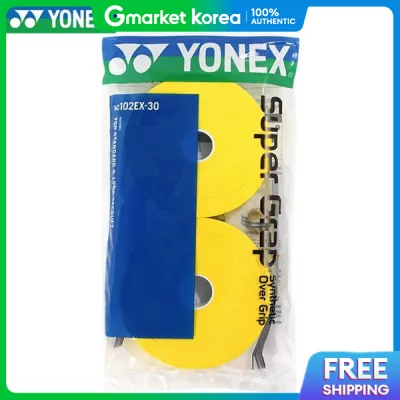
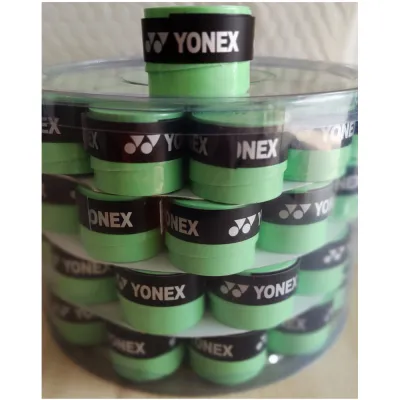
![[SG FREE ] Yonex YY Badminton Racket Grip Overgrip AC102EX NonSlip PU Tennis Super Grap Badminton](https://img.lazcdn.com/g/p/60c964c293be38a7e91abb6a18b10ccf.jpg_400x400q80.jpg_.webp)
![Yonex Super Grap AC102EX [Individually Wrap]](https://img.lazcdn.com/g/p/2b44e5c7afc2c0d44447a09516fa7386.jpg_400x400q80.jpg_.webp)
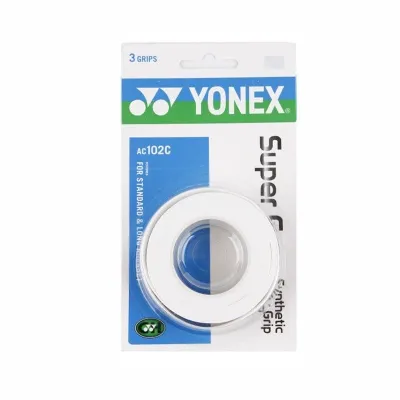
![Yonex Super Grap (3pcs in 1 roll/pack) [For Badminton/Tennis AC102EX]](https://img.lazcdn.com/g/p/15485796f0bf3289861499713af790d6.jpg_400x400q80.jpg_.webp)
Prices are valid at publication and may change. Please refer to the product page for the latest price.
When you wrap an overgrip onto your handle, you add a small amount of mass—typically between 5 to 8 grams—directly to the bottom of the racket. This extra weight at the handle end marginally shifts the overall balance point downward, making the racket feel slightly more head-light. While this change is subtle, it can make fast defensive maneuvers and quick net exchanges feel slightly more effortless without changing the frame’s inherent aerodynamics.
Key Specifications of the AC102EX and On-Court Impact
The physical specifications of the AC102EX directly translate to how much control and comfort you experience during intense rallies. By looking closely at its material properties, you can determine how it will behave under different playing conditions.

With a standard thickness of approximately 0.6 mm, this overgrip is engineered to strike a balance between cushioning and tactile feedback. A grip that is too thick rounds out the bevels of the wooden handle, making it difficult to feel the orientation of the racket face. The relatively thin profile of the AC102EX preserves these bevels, allowing you to make precise, instantaneous finger adjustments when switching between forehand and backhand grips.
The polyurethane material provides a tacky, rubbery surface texture that enhances grip security. This tackiness ensures that the racket remains firmly in your hand during high-speed smashes and sudden changes in direction. However, tackiness behaves differently depending on moisture levels; while it offers excellent slip resistance in dry conditions, heavy sweat can eventually saturate the surface.
In addition to grip security, the polyurethane layer offers mild shock absorption. When you mis-hit a shuttlecock near the frame, harsh vibrations travel down the shaft. The overgrip acts as a dampener, absorbing a portion of this impact energy and reducing the cumulative strain on your wrist, elbow, and shoulder during long training sessions.
How to Choose and Maintain the Right Overgrip for Your Playstyle
Selecting the right overgrip depends heavily on your playing environment and personal physical factors. In hot, humid climates or poorly ventilated indoor sports halls, managing hand sweat is a primary concern for grip stability.
If you experience heavy perspiration, you must monitor how the tacky surface of the AC102EX performs over time. While its balanced tackiness is highly reliable for average sweat levels, players with exceptionally sweaty hands may need to pair the grip with specialized grip powder or consider transitioning to a cotton towel grip, which is designed specifically for maximum moisture absorption.
To ensure the overgrip performs as intended, follow the manufacturer’s wrapping instructions carefully. Start from the bottom handle cap and wrap upward with consistent, moderate tension. Avoid overlapping the grip too heavily, as excessive overlapping creates thick, uneven ridges that can distort the handle shape and hinder your control over delicate net shots.
Because overgrips are consumable items, regular replacement is necessary to maintain optimal performance. Look for visible signs of wear such as discoloration, peeling of the top polyurethane layer, or smooth patches where the original texture has worn away. Tactile cues, such as a slick, slippery feel or a hardened texture that no longer dampens vibrations, also indicate that it is time to apply a fresh wrap. Keeping a fresh grip prevents sweat from seeping into the underlying wooden handle, protecting it from moisture damage and decay.
Frequently Asked Questions (FAQ)
Does the Yonex AC102EX change my racket's string tension or stiffness?
No, applying an overgrip has absolutely no effect on the structural properties of your racket frame or strings. Frame stiffness is determined by the carbon fiber composition of the shaft, and string tension is set during the stringing process. Any perceived change in how crisp or stiff the racket feels is entirely due to the dampening of vibrations in your hand, not a change in the frame’s mechanics.
How often should I replace the AC102EX overgrip?
There is no fixed timeline for replacement, as it depends on your play frequency, sweat levels, and grip pressure. Casual players might only need to change their grip every few weeks, while competitive players in humid environments often replace it weekly or even after every match. You should replace the grip as soon as you notice a loss of tackiness, visible dirt accumulation, or a slippery feel during play.

Community discussion
Share your experience or ask a question. Comments are reviewed before publication.