
Choosing the right adjustable dumbbell mechanism depends heavily on your specific training style, workout environment, and long-term fitness goals rather than a single design being universally better. Dial-adjust and pin-lock systems represent the two most common engineering approaches to variable-weight home gym equipment. Dial-adjust models prioritize rapid, seamless transitions, making them highly suitable for fast-paced training styles. Pin-lock models, on the other hand, emphasize mechanical simplicity, rugged construction, and distinct weight increment configurations. Understanding how these systems operate physically is the first step in determining which style will better support your strength journey.
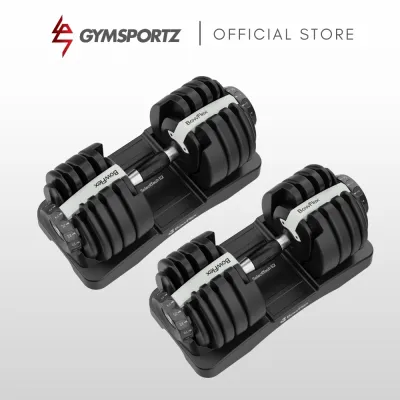
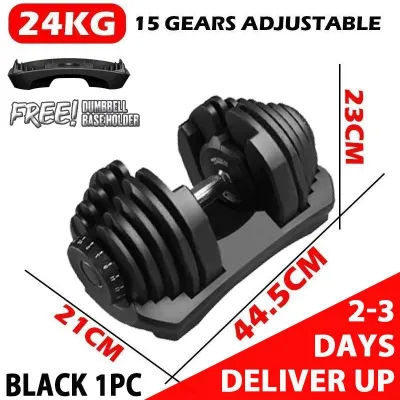
The dial-adjust system operates through an internal gear-and-peg mechanism controlled by an external dial, usually located at the ends of the dumbbell or integrated into the handle itself. When you place the handle into the storage tray and turn the dial to a specific weight setting, the internal gears rotate to engage the corresponding selection of weight plates. Lifting the handle releases only the selected plates from the tray, leaving the remaining plates securely nested. This design relies on precise alignment between the handle assembly and the plate slots to ensure smooth engagement.
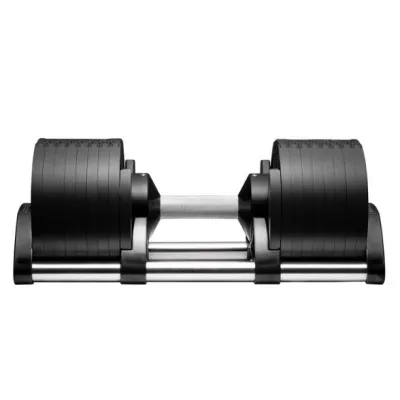
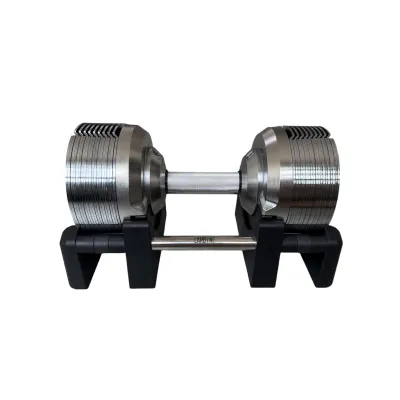
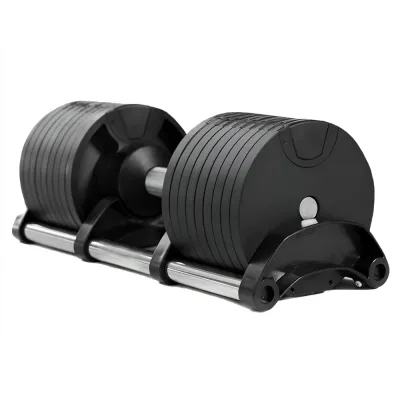
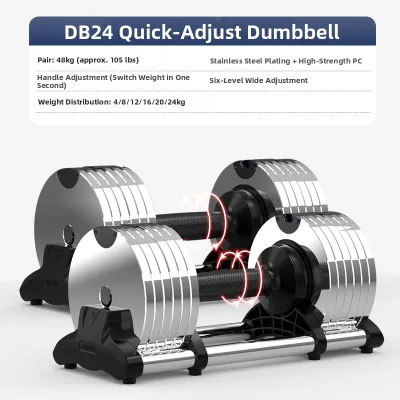
In contrast, the pin-lock system uses a manual selector pin, similar to the weight stacks found on commercial gym machines. To adjust the weight, you place the dumbbell in its cradle and slide a physical pin into the slot corresponding to your desired weight. This pin physically passes through the plates, locking them to the central handle bar. Some pin-lock designs use a U-shaped pin that slides in horizontally, while others utilize a magnetic pin or a dual-pin system to secure the plates. The simplicity of this design means there are fewer internal gears to align, but it requires a deliberate, manual action to secure the weight before lifting.
Products mentioned in this guide


Prices are valid at publication and may change. Please refer to the product page for the latest price.
Comparing the Mechanisms Across Key Training Needs
To choose the right system, you must evaluate how each mechanism performs under the physical demands of daily training. The choice between dial-adjust and pin-lock systems directly impacts your workout flow, your progression rate, and the overall lifespan of your home gym equipment.
Adjustment Speed and Superset Efficiency
If your training routine relies heavily on high-intensity interval training, supersets, or drop sets, the speed of weight transitions is a critical factor. Dial-adjust dumbbells excel in these scenarios because they typically allow you to change weights with a simple twist of a wrist. You return the dumbbell to its tray, turn the dial to the new weight, and lift. This process takes only a few seconds and can often be completed with one hand, keeping your rest intervals tight and your heart rate elevated.
Pin-lock systems generally require a more deliberate, two-handed approach to weight adjustments. You must align the dumbbell perfectly in its cradle, locate the correct slot, and physically insert the pin, ensuring it is fully seated and locked. If you are performing exercises that require rapid weight drops with minimal rest, this extra step can disrupt your training momentum. However, for traditional strength training where rest periods are longer and less rigid, the few extra seconds required to move a pin are unlikely to impact your overall workout density.
Weight Increments and Progressive Overload
Progressive overload requires gradual increases in resistance, and the increment steps of your dumbbells play a vital role in this progression. Dial-adjust dumbbells often feature highly structured, pre-set increments that may vary across the weight range. For example, some models offer smaller weight jumps at the lower end of the scale to accommodate isolation movements like lateral raises, while transitioning to larger jumps at heavier weights. It is essential to check the manufacturer’s specifications to understand these exact steps, as large jumps can make progressing on smaller muscle groups challenging.
Pin-lock dumbbells often feature a more linear increment structure, determined by the physical thickness of the individual plates. Some pin-lock designs allow for micro-loading by incorporating small, removable adder weights inside the handle tube. This feature can be incredibly beneficial for breaking through plateaus in exercises like the overhead press, where a standard five-pound jump might be too aggressive. Before purchasing, verify the maximum capacity and the specific increment options of each model to ensure they align with your current strength levels and long-term development goals.
Build Quality, Handling, and Maintenance
The internal complexity of dial-adjust dumbbells means they contain numerous moving parts, including plastic or metal gears, selector tabs, and spring-loaded dials. While highly engineered, these internal components can be vulnerable to wear and tear over time, especially if the dumbbells are handled roughly. Dropping a dial-adjust dumbbell can easily misalign the internal gears or crack the plastic housing, rendering the adjustment mechanism unusable.
Pin-lock dumbbells generally feature a more rugged, simplified construction with fewer internal moving parts. The selector pins are typically made of high-strength steel or durable composite materials, and the plates themselves are often solid steel or iron. While still susceptible to damage from severe impacts, pin-lock systems are often perceived as more resilient to the minor bumps of home gym use. Regardless of the mechanism, routine maintenance is crucial; you should regularly clean the weight trays to prevent dust buildup, inspect selector pins for any signs of bending, and avoid forcing any mechanism that feels stuck or misaligned.
Decision Framework: Match the Mechanism to Your Routine
Selecting the right adjustable dumbbell comes down to aligning the equipment’s physical characteristics with your training habits and home environment.

You should choose a dial-adjust system if your workouts are fast-paced and require rapid weight changes. If you frequently perform circuit training, supersets, or drop sets where keeping rest times under thirty seconds is critical, the speed of a dial mechanism is highly advantageous. This system is also ideal if you prefer a streamlined, modern aesthetic and want a highly intuitive user interface that requires minimal manual handling of pins or loose parts.
You should choose a pin-lock system if you prioritize mechanical simplicity and long-term durability. If your training style focuses on traditional strength sets with standard rest periods, the slightly slower adjustment speed will not hinder your progress. Pin-lock models are also excellent if you prefer a more traditional dumbbell feel, require specific micro-loading options via handle inserts, or want a system with fewer internal gears that could potentially wear out over years of consistent use.
Before making a final decision, verify your specific physical preferences and constraints. Consider the grip size and handle texture, as some users prefer a contoured, rubberized grip while others require a straight, knurled steel handle. If you have pre-existing wrist limitations, pay close attention to the overall balance and length of the dumbbells when fully loaded, as some adjustable designs can feel exceptionally wide or unbalanced during certain movements.
What to Verify Before You Buy
Investing in adjustable dumbbells is a significant commitment, particularly in space-constrained living environments like Singapore apartments, where equipment must be both compact and quiet. First, verify the handle thickness and grip texture. A handle that is too thick or lacks adequate knurling can limit your grip strength on heavy pulling movements, while an overly aggressive texture might cause discomfort during high-repetition sets.
Next, evaluate the physical footprint and tray design of the dumbbells. Some models require a significant amount of clearance space to lift the dumbbells straight up out of their cradles, which can be challenging if you plan to store them under a low bench or in a tight corner. Ensure the tray is made of durable, impact-resistant material, as you will be repeatedly returning the heavy dumbbells to this base. A poorly designed tray can crack easily or make aligning the plates difficult, leading to frustration during workouts.
Finally, carefully review the manufacturer’s warranty terms. Pay close attention to what is covered under the warranty, specifically regarding the mechanical parts, selector pins, and internal gears. A comprehensive warranty that covers these critical components can provide peace of mind, as replacing individual parts of an adjustable dumbbell system can be difficult and costly.
Frequently Asked Questions (FAQ)
Can I drop adjustable dumbbells on the floor during a set?
No, you should avoid dropping adjustable dumbbells on the floor under any circumstances. Unlike fixed rubber hex dumbbells, adjustable models contain precise internal gears, selector pins, and alignment tracks that are highly vulnerable to impact damage. Dropping them can bend the selector pins, crack the plastic housing, or misalign the internal plates, making the dumbbells unsafe or impossible to adjust. To protect your equipment and your home flooring, always lower the weights in a controlled manner and perform your exercises over proper shock-absorbing rubber flooring.
Do dial-adjust dumbbells break more easily than pin-lock ones?
Not necessarily, as durability depends heavily on user handling and build quality rather than just the mechanism type. While dial-adjust dumbbells do have more complex internal moving parts that can wear out if abused, high-quality models are engineered to withstand years of regular use when handled properly. Pin-lock systems are mechanically simpler and can tolerate slightly more rugged use, but they can still fail if the pins are bent or if the plates are forced into alignment. Following the manufacturer’s care instructions and avoiding rough handling are the most effective ways to ensure the longevity of either system.

Community discussion
Share your experience or ask a question. Comments are reviewed before publication.