
Choosing between dial-adjust and spin-lock adjustable dumbbells comes down to how you value training speed versus mechanical simplicity. If your workouts rely on fast-paced supersets, rapid drop sets, or tight rest intervals, dial-adjust dumbbells offer significant convenience by changing weights in seconds. Conversely, if you prioritize heavy lifting, drop durability, precise micro-loading, and a lower upfront cost, traditional spin-lock dumbbells remain the more reliable and cost-effective choice for a home gym.
In Singapore’s compact residential spaces, maximizing the utility of your fitness equipment is essential. Both systems eliminate the need for a massive rack of individual weights, but they serve very different training styles. Understanding how each mechanism operates, handles, and fits into your budget will help you make the right investment for your long-term strength progression.
Understanding the Mechanics: Dial vs Spin-Lock
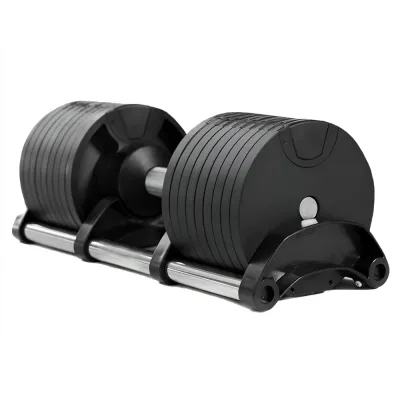
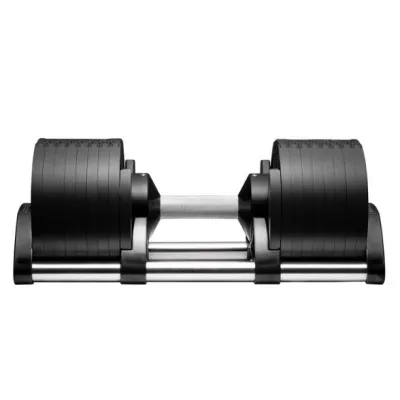
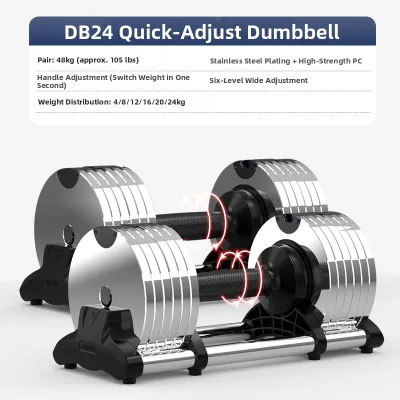
To choose the right system, you must first understand how these two mechanisms differ in their physical operation and internal engineering. Dial-adjust dumbbells utilize a complex internal selector system. The plates sit in a custom-fitted tray or cradle, and the dumbbell handle is placed in the center. By turning an external dial, knob, or sliding pin on either end of the handle, you engage internal selector pins or gears. These pins lock onto the specific weight plates required for your target load, leaving the remaining plates resting securely in the tray when you lift the handle.
Products mentioned in this guide

![[Local Stock] Adjustable Dumbbell Set Weight Dumbbell Stand Perfect for Home Gym Workouts Dumbbell](https://img.lazcdn.com/g/p/37ff4e75fabfa22254e11d8fc1ce2065.png_400x400q80.png_.webp)
Prices are valid at publication and may change. Please refer to the product page for the latest price.
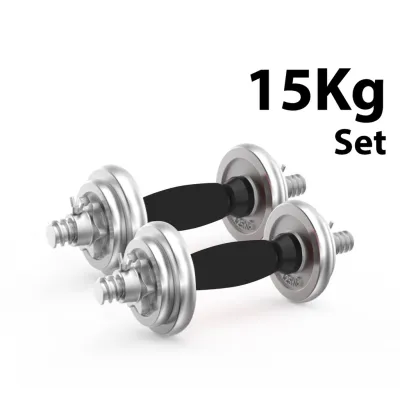
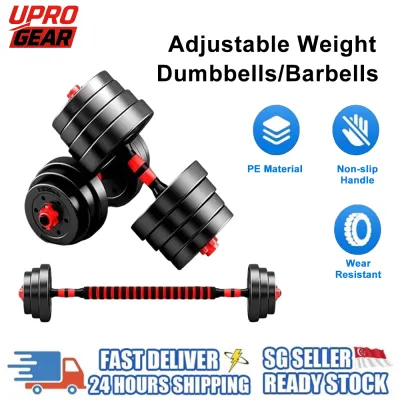
Spin-lock dumbbells, on the other hand, rely on a classic, purely mechanical design. The system consists of a threaded steel barbell sleeve and individual weight plates with a matching center hole. To adjust the weight, you manually slide the desired plates onto the sleeve and thread a textured metal collar or nut down the bar until it presses tightly against the plates. This manual threading process secures the plates through direct physical compression, requiring no internal gears, springs, or delicate selector pins to function.
Speed and Workflow: Keeping Your Rest Periods Short
Your training rhythm is one of the most critical factors when deciding between these two mechanisms. Dial-adjust dumbbells excel in high-intensity workouts, circuit training, and supersets where rest periods are strictly timed. Because a simple twist of a dial changes the weight in under three seconds, you can transition from a heavy chest press to a lighter lateral raise almost instantly. This rapid adjustment keeps your heart rate elevated and ensures you do not lose focus or momentum during intense training blocks.

In contrast, spin-lock dumbbells require a significant pause in your workout whenever you need to adjust the load. Unthreading the collars, removing or adding plates, and threading the collars back on can easily take 30 to 60 seconds per dumbbell. If you are performing drop sets where you need to reduce the weight immediately after reaching failure, this delay can disrupt the physiological stimulus of the exercise. However, if your routine consists of traditional strength training with long rest periods of two to three minutes between sets, the manual adjustment time becomes a minor inconvenience rather than a performance bottleneck.
Weight Increments and Progression Tracking
Progressive overload is the foundation of strength building, and how you track and increase your weights depends heavily on your dumbbell’s adjustment increments. Dial-adjust systems operate on fixed, pre-determined weight steps set by the manufacturer. These increments are typically 2 kg or 2.5 kg jumps, which can sometimes feel too large for smaller muscle groups like the shoulders or arms. While some premium dial models offer smaller steps, you are generally locked into the manufacturer’s specific progression path unless you purchase specialized external magnetic micro-weights.
Spin-lock systems offer greater flexibility for micro-loading and custom weight increments. Because you manually slide individual plates onto the sleeve, you can add fractional plates as light as 0.25 kg or 0.5 kg. This allows for incredibly precise progression, making it easier to break through strength plateaus on challenging lifts. Your progression is limited only by the physical length of the threaded sleeve and the availability of standard plates with matching hole diameters, giving you complete control over how you scale your resistance over time.
Durability, Handling, and Maintenance Requirements
The structural integrity of your equipment affects both safety and long-term value, especially when training at home. Dial-adjust dumbbells feature intricate internal components, often utilizing plastic gears, selector pins, and spring-loaded mechanisms. Because of this complexity, they are highly vulnerable to impact damage. Dropping a dial-adjust dumbbell from even a short height can misalign the internal pins or crack the plastic housing, rendering the entire unit unusable. Users must handle these weights with care, place them gently back into their cradles, and regularly review the manufacturer’s warranty terms regarding mechanical failures.
Spin-lock dumbbells are highly durable by comparison, typically constructed from solid cast iron or steel. They can withstand heavy use, accidental drops, and the rough handling common in intense home workouts. The primary maintenance requirement for spin-lock sets is checking for thread wear and ensuring the collars remain tightly secured during use. Over time, the threads can accumulate dust or metal shavings, requiring occasional cleaning and light lubrication.
Handling characteristics also differ significantly between the two styles. Dial-adjust dumbbells often have a fixed overall length, meaning the bar remains long and bulky even when you are lifting the lightest weight setting. This fixed length can interfere with your range of motion on exercises like bicep curls or overhead presses, and the bulky ends can make it awkward to rest the weights on your thighs before starting a set. Spin-lock dumbbells grow shorter or longer depending on how many plates you load, offering a more traditional barbell feel, though the protruding threaded sleeves can still present clearance challenges during certain movements.
Budget and Space: Evaluating the True Cost
When setting up a home gym, space efficiency and budget are major considerations. Dial-adjust dumbbells command a premium upfront price in S$, reflecting their complex engineering and convenience. However, this initial investment covers a complete set of weights housed in a single, compact footprint. The storage tray keeps the plates organized and prevents them from cluttering your living room or home gym floor, making them an excellent choice for small apartments where space is at a premium.
Spin-lock dumbbells are highly cost-effective as an entry point, offering a lower initial cost in S$. They allow you to buy only the weight you currently need and expand your collection gradually by purchasing individual plates as your strength increases. The trade-off is the physical space required to store loose plates. Without a dedicated rack, a growing collection of spin-lock plates can quickly clutter your workout area. When evaluating the true cost, you must weigh the high upfront price of dial-adjust convenience against the long-term cost of buying additional plates and storage solutions for a spin-lock setup.
Decision Framework: Choose Dial-Adjust or Spin-Lock?
To finalize your decision, evaluate your training environment, workout style, and budget against these key criteria.
Choose a dial-adjust system if:
- You prioritize workout speed and frequently perform supersets, drop sets, or fast-paced circuit training.
- You have a higher upfront budget and want a clean, self-contained system that takes up minimal floor space.
- You are comfortable handling your weights with care and can avoid dropping them on the floor.
Choose a spin-lock system if:
- You want a highly durable, drop-tolerant set of weights that can withstand intense, heavy lifting sessions.
- You prefer precise micro-loading and want the flexibility to add fractional plates for gradual strength progression.
- You are working with a limited initial budget and do not mind spending extra time adjusting weights between sets.
Before making your purchase, verify your workout space and flooring. If you choose a dial-adjust system, ensure you have a flat, stable surface for the storage trays and consider investing in protective rubber flooring to safeguard the mechanism during transitions. If you opt for spin-lock dumbbells, check that the sleeve diameter matches standard plate sizes in your local market to ensure easy compatibility for future expansion.
Frequently Asked Questions (FAQ)
Can I drop dial-adjust dumbbells on the floor?
No, you should avoid dropping dial-adjust dumbbells under any circumstances. The internal selector pins, gears, and alignment tracks are often made of plastic or precision-milled metals that can easily bend, crack, or misalign upon impact. Dropping them can jam the mechanism, making it impossible to change weights or safely lock the plates in place. Always place them gently back into their designated storage cradles, and use thick rubber gym mats to protect both your equipment and your flooring from accidental impacts.
Do spin-lock collars loosen during a workout?
Yes, spin-lock collars can gradually loosen due to the vibrations and rotational forces generated during heavy lifts. This is especially common during dynamic movements like hammer curls or thrusters. To ensure your safety, always tighten the collars securely before starting every set. Inspect the rubber O-rings inside the collars regularly, as these rings provide the friction needed to keep the collar locked against the plates. If the threads or collars show signs of significant wear, replace them immediately to prevent plates from slipping off the sleeve.
Are dial-adjust dumbbells repairable if the mechanism breaks?
Repairability depends heavily on the manufacturer, but most dial-adjust mechanisms are proprietary and difficult to repair at home. Many budget brands do not offer individual replacement parts, meaning a broken selector pin or cracked dial may require you to replace the entire dumbbell handle or unit. Premium brands sometimes provide replacement parts or cover mechanical failures under warranty. Before purchasing, check the manufacturer’s warranty terms and verify whether they sell replacement handles, dials, or individual plates separately.

Community discussion
Share your experience or ask a question. Comments are reviewed before publication.