
When building a home gym, selecting the right strength equipment is a critical decision. Adjustable dumbbells are a popular choice because they replace an entire rack of traditional weights with a single, compact pair. However, the market is primarily divided into two distinct designs: dial-adjustable and pin-select mechanisms. Choosing between them is not just a matter of price; it directly affects how you perform your exercises, how long your equipment lasts, and how much space you save in your living area.
The decision ultimately depends on your training style, budget, and tolerance for equipment maintenance. Dial-adjustable models are highly regarded for their rapid weight transitions, making them excellent for fast-paced workouts. On the other hand, pin-select models offer a robust, mechanically simple design that appeals to lifters who prioritize durability and traditional straight-set training. By understanding how these mechanisms function under daily use, you can make an informed investment that supports your long-term fitness goals.
Understanding the Mechanics: Dial vs Pin-Select
To choose the right dumbbell, you must first understand how each mechanism physically secures the weight plates. Dial-adjustable dumbbells utilize an internal gear or tray system. When you place the handle into the storage cradle and turn the dial—usually located at the ends of the dumbbell or integrated into the handle itself—the internal gears rotate to engage or disengage specific plates. When you lift the handle, only the selected plates remain attached, while the unselected plates stay securely in the cradle. This system relies on precise alignment between the handle gears and the plate slots.
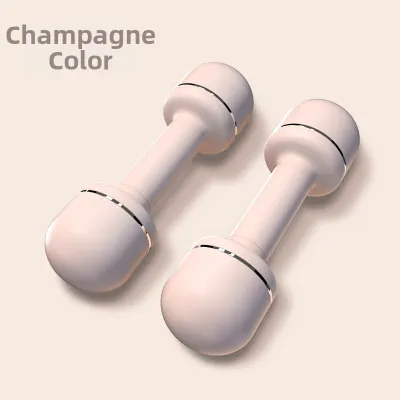
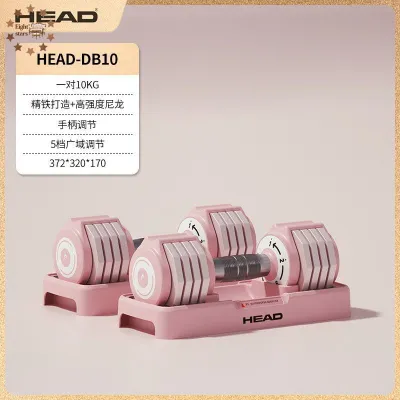
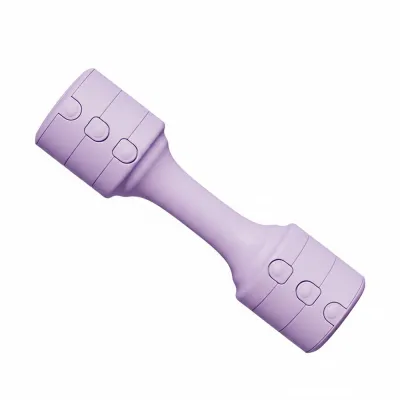
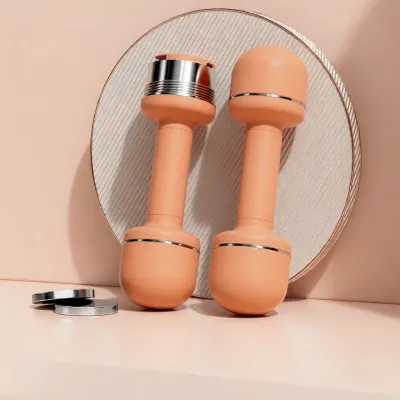
Products mentioned in this guide
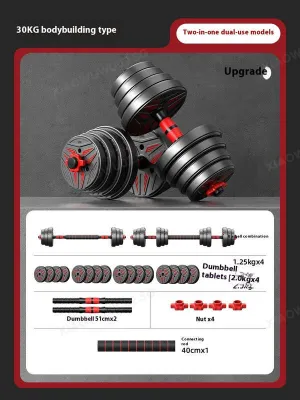
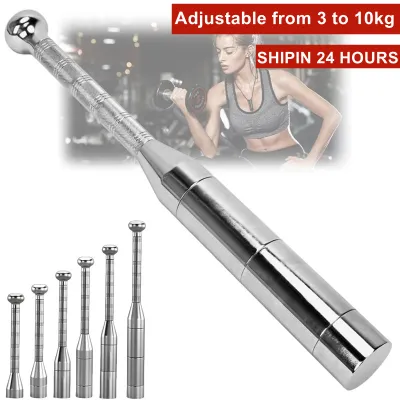

![[SG Stock] Adjustable Dumbbell/Hand Weights for Women/Men for Home Gym Fitness Training 2.2/3.3/4.4/5.5lb Dumbbells](https://img.lazcdn.com/g/p/f324b88df5501f87c58948d07364771f.jpg_400x400q80.jpg_.webp)
Prices are valid at publication and may change. Please refer to the product page for the latest price.
In contrast, pin-select dumbbells use a physical selector pin or locking key to secure the weight plates to the handle. This design is highly reminiscent of the weight stacks found on commercial gym machines. To change the weight, you place the dumbbell in its tray, pull the pin out, and insert it into the slot corresponding to your desired weight. The pin physically blocks the unselected plates from sliding onto the handle, leaving them behind in the tray when you lift the dumbbell. Some pin-select designs use a U-shaped pin that slides across both sides of the weight stack, while others use a central column locking system.
Both systems achieve the same goal of variable resistance, but their mechanical complexity differs significantly. Dial systems feature numerous moving parts, including springs, plastic gears, and interlocking tabs inside the handle assembly. Pin-select systems are generally much simpler, relying on a solid metal or heavy-duty plastic pin and straightforward channels cut into the weight plates. This fundamental difference in mechanical complexity influences everything from adjustment speed to long-term durability.
Speed and Training Workflow
Your training style should dictate the speed of your weight adjustments. If your workouts rely on high-intensity interval training (HIIT), rapid supersets, or drop sets, every second counts. Dial-adjustable dumbbells excel in these scenarios. Changing the weight is as simple as placing the dumbbell in the cradle, twisting the dial to the desired number, and lifting. This process takes only a few seconds, allowing you to maintain a high heart rate and transition smoothly between exercises without cooling down or losing momentum.

For lifters who prefer traditional straight-set training, where rest periods between sets typically last one to three minutes, adjustment speed is less critical. Pin-select dumbbells require a slightly more deliberate physical handling process. You must align the dumbbell in the tray, pull the selector pin, locate the correct weight slot, and firmly insert the pin. If the plates are slightly misaligned, you may need to wiggle the pin to get it to slide in securely. While this process only takes five to ten seconds longer than using a dial, it can feel tedious if you are trying to perform rapid drop sets.
The physical motion involved also differs. Dial models offer a smooth, tactile click that confirms the weight is locked in place. Pin-select models require you to visually verify that the pin is fully inserted through the plates. If you train in a dimly lit room or have poor eyesight, reading the weight markings on a pin-select tray or aligning a small pin can be more challenging than turning a large, clearly marked dial. Consider how much physical interaction you want to have with your weights during a grueling workout session.
Durability, Handling, and Maintenance Checks
Durability is a major concern for home gym equipment, which is often subjected to sweat, dust, and accidental impacts. Dial-adjustable dumbbells contain intricate internal gears that are sensitive to physical shock. Dropping a dial dumbbell, even from a low height, can crack the internal plastic gears or misalign the locking tabs. If these components are damaged, the dumbbell may become unsafe to use, or the plates may fail to lock properly. Before purchasing, it is essential to check the manufacturer’s warranty terms regarding drops and physical damage.
Pin-select dumbbells are generally considered more robust due to their mechanical simplicity. Because they lack complex internal gearboxes, they can withstand the typical wear and tear of home workouts much better. However, they are not completely indestructible. You must regularly inspect the selector pin for signs of wear, bending, or cracking. If the pin uses a magnetic strip to stay secure, ensure the magnet remains clean and free of metal debris. Additionally, check that the plates do not become bent or misaligned, which can make inserting the pin difficult.
Maintenance requirements also vary between the two designs. Dial mechanisms benefit from periodic inspections to ensure no dust, hair, or sweat has accumulated inside the gear tracks, which can cause the dial to stick. In humid climates, such as Singapore, moisture can lead to rust on metal plates or internal springs if the equipment is stored in a non-air-conditioned space like a balcony or garage. Always consult the product manual for specific cleaning and lubrication instructions, and store your dumbbells in a dry, well-ventilated area to prevent corrosion.
Space, Ergonomics, and Weight Increments
The physical footprint and ergonomics of your dumbbells can make a significant difference in a compact home gym. Dial-adjustable dumbbells almost always require their specific storage cradles to function. These cradles keep the plates perfectly aligned so the internal gears can engage them. This means you must have dedicated floor or shelf space for the cradles. Pin-select models also use trays, but some designs are more compact or allow the plates to stand independently, making them slightly easier to tuck away in a tight corner or under a bed.
Ergonomics and handle design are equally important for exercise performance. Many dial-adjustable dumbbells maintain a fixed overall length regardless of how much weight you select. The central bar remains long even when you are lifting only 2 kg, which can make the dumbbells feel bulky and awkward during exercises like chest presses or bicep curls, where the ends of the dumbbells might collide. Some pin-select models, however, shorten in length as you select lighter weights, providing a more natural feel that closely mimics traditional fixed dumbbells.
Weight increment gaps are another crucial factor for progressive overload. Some dial systems offer highly precise, small weight steps, such as 1 kg or 2 kg increments, which are ideal for isolating smaller muscle groups like the shoulders or biceps. Pin-select models often feature larger weight jumps, such as 4 kg or 5 kg increments, unless they include micro-adder weights that you must manually insert into the handle. If you are a beginner or focus on high-repetition training, smaller weight increments will allow for smoother progression.
Budget and Value Considerations
When planning your home gym budget, you will find that both dial and pin-select dumbbells span a wide price range. In the Singapore market, high-quality adjustable dumbbells typically range from S$200 to over S$800 per pair. Dial-adjustable models often sit at a higher price point due to their complex engineering and manufacturing costs. While they offer excellent convenience, you must decide if the rapid adjustment speed justifies the premium price for your specific training style.
Pin-select models often provide excellent value for budget-conscious lifters. Because their design is simpler to manufacture, you can often find highly durable pin-select options at a lower price point than comparable dial models. Additionally, many pin-select systems do not strictly require expensive dedicated stands, whereas dial models are much easier and safer to use when paired with a waist-height stand, which can add an extra S$100 to S$200 to your total investment.
When calculating long-term value, consider the availability of replacement parts and the length of the warranty. Because dial systems have more moving parts, they are more likely to require replacement components over years of heavy use. Check if the brand sells individual replacement plates, dials, or cradles. A slightly cheaper upfront purchase can become more expensive in the long run if a single broken plastic gear forces you to replace the entire dumbbell set.
Decision Framework: Which Mechanism Fits Your Home Gym?
To make the final decision, evaluate your training habits against the strengths of each mechanism. A dial-adjustable dumbbell is the ideal choice if your workouts prioritize speed, flow, and rapid transitions. If you regularly perform supersets, drop sets, or follow fast-paced online workout videos, the convenience of a quick-twist dial will keep your momentum high and your workouts efficient. This mechanism is perfect for lifters who want a sleek, modern user experience and do not mind paying a premium for convenience.
Conversely, a pin-select dumbbell is the better option if you prioritize durability, simplicity, and a traditional lifting feel. If your routine consists of standard strength training with dedicated rest periods between sets, the extra few seconds required to move a selector pin will not hinder your progress. This design is highly suited for lifters who want a rugged piece of equipment that can withstand years of heavy use with minimal maintenance, and who prefer a dumbbell that shortens in length as the weight decreases.
Before making your purchase, always verify the specific dimensions, weight increments, and storage requirements of the model you are considering. Ensure the handle grip matches your hand size and that the weight range accommodates both your current strength level and your future progression goals. By matching the adjustment mechanism to your physical space and training style, you will create a highly functional and enjoyable home workout environment.
Frequently Asked Questions (FAQ)
Can I drop dial-adjustable dumbbells on the floor?
No, you should avoid dropping dial-adjustable dumbbells under any circumstances. The internal gears, dials, and locking tabs are often made of plastic or precision-molded metal that can easily crack, bend, or misalign upon impact. Dropping them can render the locking mechanism unsafe, causing plates to fall off during an exercise. Always place them gently back into their cradles or onto a padded mat, and check your manufacturer’s manual and warranty guidelines for specific handling instructions.
Do pin-select dumbbells require a special stand?
While pin-select dumbbells do not strictly require a specialized waist-high stand, they do require a flat, stable surface for safe operation. The weight plates must be perfectly aligned in their storage tray for the selector pin to slide smoothly through the adjustment channels. Placing the tray on an uneven floor or a soft carpet can cause the plates to tilt, making it difficult or impossible to insert the pin securely. Using a dedicated stand or a solid, level platform is highly recommended for safety and ease of use.

Community discussion
Share your experience or ask a question. Comments are reviewed before publication.