
Choosing the right adjustable dumbbell is a pivotal decision for any home gym setup, especially when balancing space constraints with diverse training goals. The debate between dial-adjust and pin-select mechanisms often comes down to how you prefer to interact with your equipment during a workout. Neither system is universally superior; the ideal choice depends on your specific training style, the exercises you perform, and how much you value transition speed versus rugged durability. By understanding how the internal components within each head adjustable dumbbell operate, you can select the system that safely and effectively supports your fitness goals.
Dial-adjust dumbbells are highly favored for their rapid weight transitions and streamlined, modern aesthetics, making them excellent for fast-paced training. On the other hand, pin-select models are renowned for their robust construction and ability to withstand heavier use, often appealing to those focused on traditional strength training and progressive overload. Evaluating how each mechanism handles weight selection, plate retention, and physical impact will help you identify the system that aligns with your home fitness environment.
How Dial-Adjust and Pin-Select Mechanisms Work
To understand the differences between these two systems, it is essential to look at the mechanical engineering housed inside the dumbbell head. The dial-adjust mechanism relies on an intricate internal gear system. When you place the handle into the storage cradle and turn the dial—usually located at the outer ends of the dumbbell head or integrated into the handle itself—you rotate a central shaft. This shaft features a series of selector plates, cams, or interlocking plastic and metal gears that engage or disengage specific weight plates. When you lift the handle, only the selected plates remain attached to the bar, while the unselected plates stay securely resting in the cradle slots. This system requires precise alignment, as the gears must line up perfectly with the plate slots to allow for a smooth turn.
Products mentioned in this guide

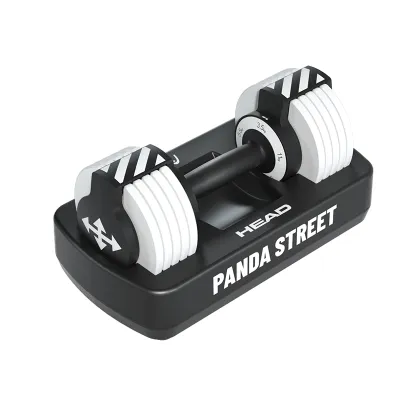
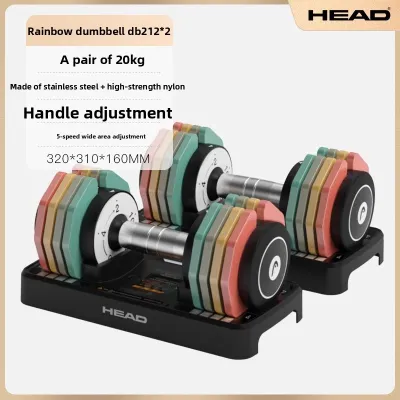
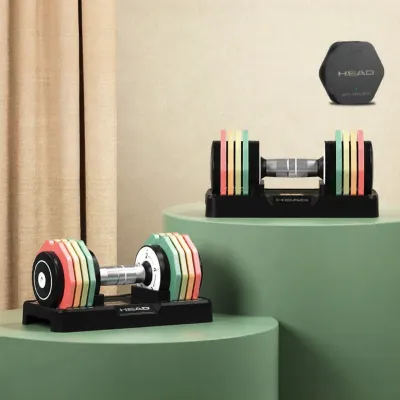

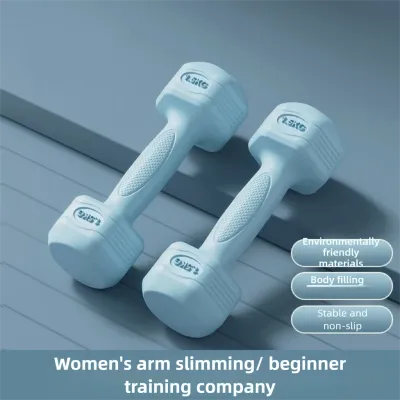
![[SG Stock]Neoprene Dumbbell Weight Strength Training Neoprene Dumbell Set 1kg 2kg 3kg suitable for home and gym exercise](https://img.lazcdn.com/g/p/15509c2888b8e8dae4efd080518cd81f.png_400x400q80.png_.webp)
Prices are valid at publication and may change. Please refer to the product page for the latest price.
In contrast, the pin-select mechanism uses a more direct, physical locking method reminiscent of commercial gym weight stacks. This design typically features a U-shaped selector pin or a sliding pin-lock mechanism that runs along the side or top of the weight plates. To change the weight, you manually pull the pin out and insert it into the slot corresponding to your desired weight level. Some pin-select models use a magnetic pin to ensure it stays locked in place during movement, while others utilize a mechanical sliding lock that clicks into place. The pin physically blocks the unselected plates from sliding onto the handle shaft, leaving them behind in the stand when you lift the dumbbell. This direct physical engagement minimizes the number of moving parts inside the dumbbell head.
Observing how these plates lock into the handle is crucial for safety. With dial-adjust systems, you must verify that the dial clicks fully into its designated slot before lifting; an incomplete turn can leave plates partially engaged, posing a risk of falling plates during overhead movements. Pin-select systems require a visual and tactile check to ensure the pin is fully inserted through the entire plate stack. Both mechanisms rely on a dedicated cradle or tray to keep the unselected plates upright and aligned, meaning you must return the dumbbell to the cradle at the exact angle to re-engage or change the weight. Any debris or dust in the cradle can prevent proper alignment, so keeping these areas clean is essential for smooth operation.
Key Comparison Dimensions for Your Home Gym
When setting up a home gym, especially in compact living spaces like apartments in Singapore where floor space is at a premium, several practical dimensions must be evaluated. The first dimension is the speed of adjustment. If your training involves high-intensity interval training (HIIT), drop sets, or supersets, every second counts. Dial-adjust systems allow you to change weights in a matter of seconds with a simple twist of the wrist, keeping your heart rate up and minimizing rest times. Pin-select systems, while still much faster than traditional spin-lock collars, require you to manually align and insert the pin, which can slightly slow down your transitions between exercises, especially if you are working in a dimly lit room.

Weight increments and overall capacity represent another critical comparison point. Progressive overload requires small, manageable increases in resistance over time. Some dial-adjust models offer convenient, pre-set increments but may have larger jumps between weights, such as 2 kg or 4 kg increments. Pin-select models often allow for micro-loading by utilizing small adder weights that slide into the handle tube, allowing for increments as small as 1 kg or less. This fine-tuning is highly beneficial for smaller muscle groups, such as the deltoids or biceps, where large weight jumps can stall progress and lead to improper lifting form.
Durability and maintenance are where the mechanical differences become highly apparent. Dial-adjust dumbbells feature intricate internal gears, often made of high-strength plastics or composite materials, which can be vulnerable to damage if the dumbbell is dropped or slammed. Pin-select models, particularly those constructed with solid steel or iron plates and minimal plastic parts, tend to offer superior structural durability. Maintenance for dial systems usually involves keeping the gear tracks free of dust and debris, whereas pin-select systems require checking the pin alignment and ensuring the selector channels remain clear of obstructions.
Footprint and ergonomics significantly affect how the dumbbells feel in hand and how they perform during specific movements. Dial-adjust dumbbells often maintain a fixed overall length regardless of the weight selected, as the outer dials define the physical boundary of the dumbbell head. This means even at lighter weights, you are maneuvering a relatively long bar, which can interfere with movements like chest presses or bicep curls where the ends of the dumbbells might collide. Pin-select models, depending on the brand, sometimes shorten as weight is removed, offering a more natural dumbbell feel. Additionally, you should evaluate the grip texture—whether it features a knurled metal handle or a rubberized grip—to ensure secure handling during sweaty workouts in humid climates.
Dial-Adjust Dumbbells: Pros, Cons, and Best Use Cases
The primary advantage of dial-adjust dumbbells is their unmatched convenience and speed. The ability to transition from a heavy chest press weight to a lighter lateral raise weight with a quick turn of a dial streamlines your workout flow. This rapid adjustment makes them highly efficient for circuit training and workouts that require immediate weight changes. Furthermore, their compact design consolidates an entire rack of traditional dumbbells into a single, neat pair, which fits easily into a closet or a small corner of a room, making them highly attractive for urban dwellers.
However, these benefits come with trade-offs in terms of ruggedness. The internal gear systems and plastic components within the dumbbell head are sensitive to impact. Dropping a dial-adjust dumbbell, even from a low height onto a padded mat, can misalign the internal gears or crack the selector plates, rendering the adjustment mechanism unusable. Additionally, because the mechanism requires precise alignment to function, any warping of the storage cradle can make it difficult to dock the dumbbells and change weights, requiring a completely flat and stable surface for storage.
Given these characteristics, dial-adjust dumbbells are best suited for fitness enthusiasts who prioritize fast-paced, structured workouts like HIIT, metabolic conditioning, or high-rep hypertrophy training. They are ideal for users who exercise on protective flooring, handle their equipment with care, and do not intend to perform movements where weights might be dropped. If your workout space is highly restricted and you need a system that can be easily tucked away when not in use, the dial-adjust design offers an exceptionally tidy and user-friendly solution.
Pin-Select Dumbbells: Pros, Cons, and Best Use Cases
Pin-select dumbbells are highly regarded for their rugged, near-indestructible build quality. Because the mechanism relies on a straightforward physical pin rather than complex internal gears, there are fewer moving parts that can fail over time. Many pin-select models utilize heavy-duty steel plates and robust welded frames, allowing them to withstand the typical wear and tear of intense home workouts. This durability provides peace of mind when performing heavy lifts where a controlled descent is preferred but an accidental drop might occur, making them a long-term investment for serious lifters.
The trade-off for this durability is often a slightly slower and more deliberate adjustment process. Aligning the pin across multiple plates requires a bit of attention, and if you are using adder weights for micro-loading, you must manually insert them into the handle, adding steps to your transition. Additionally, the physical footprint of pin-select models can be blockier or more rectangular than traditional dumbbells, which may require some adjustment to your lifting technique to avoid scraping your forearms or thighs during exercises like clean and presses or goblet squats.
These features make pin-select dumbbells the preferred choice for powerlifters, strength athletes, and anyone focused on heavy, progressive strength training. If your routine centers around low-rep, high-weight sets where rest periods are longer, the extra seconds spent adjusting a pin will not impact your performance. They are also highly suitable for home gyms located in garage spaces or dedicated workout rooms where the equipment might experience rougher handling and require a more resilient construction that can withstand fluctuating humidity levels without rusting or seizing.
How to Choose the Right Adjustable Dumbbell for You
To determine which mechanism fits your training style, start by analyzing your primary workout routines. If your training consists of fast-paced circuits, supersets, or follow-along fitness videos where transition times are short, a dial-adjust dumbbell will likely provide the seamless experience you need. The speed of turning a dial allows you to keep up with the pace of the workout without losing momentum. This choice is also highly practical if you are working within a multi-use living space where the dumbbells must be packed away quickly and look visually unobtrusive.
Conversely, if your fitness goals revolve around building raw strength, powerlifting, or progressive overload, a pin-select dumbbell is often the more reliable investment. The ability to micro-load with small weight increments ensures you can progress safely without making overly large jumps in resistance. Furthermore, if you prefer a solid, metallic feel and want equipment that can handle years of heavy use without the risk of internal gear failure, the robust nature of the pin-select system is unmatched.
Before making your final decision, there are several critical factors to verify. First, check the handle grip comfort; look for knurling or rubberized textures that match your preference, especially for maintaining a secure grip during humid workouts. Second, ensure the dumbbell head clearance and overall length allow you to perform your favorite exercises, such as goblet squats or overhead presses, without the frame interfering with your body. Finally, always review the local warranty terms and customer support availability in Singapore, as having access to replacement parts or service is essential for protecting your investment in high-quality home gym equipment.
Frequently Asked Questions (FAQ)
Can you drop dial-adjust or pin-select dumbbells during a workout?
In general, adjustable dumbbells are not designed to be dropped, and doing so can void your warranty or cause serious damage. Dial-adjust models are particularly vulnerable because their internal gears, selector discs, and alignment tabs are often made of plastic or light alloys that can easily crack or misalign upon impact. Pin-select models tend to have better drop resistance due to their steel plates and simpler locking pins, but dropping them can still bend the selector pins or warp the frame, making weight selection difficult. Always check the manufacturer’s specific guidelines regarding drop-test specifications, and use thick rubber gym mats to protect both your equipment and your flooring.
Do adjustable dumbbells rattle or feel different from fixed iron weights?
Yes, almost all adjustable dumbbells will exhibit a slight rattle or movement in the plates during use, which is a normal characteristic of their design. Because the plates must slide in and out of a selection mechanism, there must be a small amount of clearance or tolerance between the plates and the locking shaft. This can result in a clicking sound or a minor shifting sensation when changing directions during a lift. To minimize this, look for models that feature tight manufacturing tolerances, secure locking mechanisms, or rubber-coated plates that dampen noise. Reading user reviews regarding the balance and tightness of the plates can help you find a model that feels secure in hand.

Community discussion
Share your experience or ask a question. Comments are reviewed before publication.