
Many tennis players, especially beginners, experience hand fatigue, slipping, or persistent blisters after a few intense sets on the court. When these discomforts arise, it is common to look for immediate equipment solutions, such as specialized ergonomic grips like Hesacore. These faceted, honeycomb-patterned replacement grips are designed to improve hold and reduce strain by replacing the traditional flat handle surface. However, before investing in specialized gear, it is essential to evaluate whether your discomfort stems from your equipment or your basic technique.
In tropical, high-humidity environments, maintaining a secure hold on a tennis racket is a constant challenge. Sweat can quickly turn a standard grip slick, leading players to squeeze the handle with excessive force. This extra tension often results in forearm fatigue and missed shots. Understanding the root cause of your grip issues will help you decide whether an ergonomic upgrade, a simple overgrip change, or a technique adjustment is the most effective path forward.
Recognizing Grip-Related Discomfort on the Court
To determine if your current grip setup is failing you, start by monitoring the physical feedback your hands and arms receive during and after play. Painful blisters or thick calluses forming in unusual spots—such as the middle joints of your fingers or the very base of your palm—often indicate that the racket is shifting excessively in your hand. Similarly, if you experience tight forearms, wrist soreness, or elbow tension after a session at your local court, your body may be overcompensating for a lack of handle stability.
Products mentioned in this guide
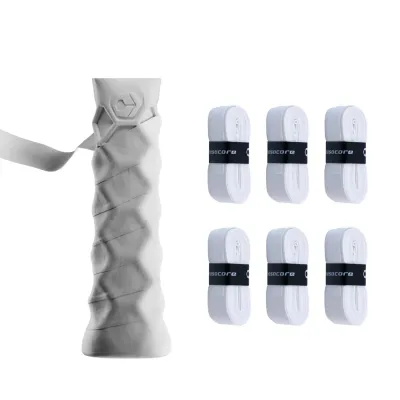
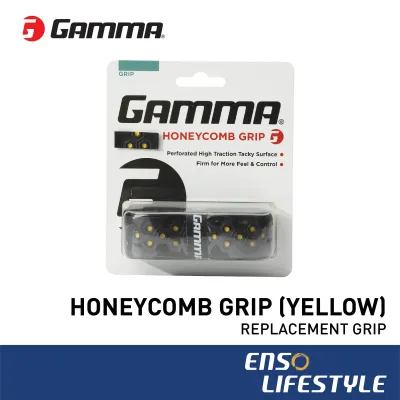
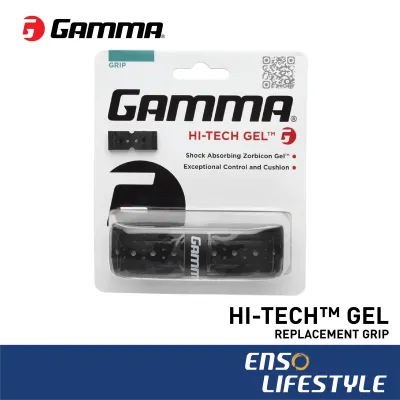
Prices are valid at publication and may change. Please refer to the product page for the latest price.
Technical inconsistencies on the court also provide valuable clues about your grip. Pay close attention to how the racket behaves when you make contact with the ball. If the frame twists in your hand on off-center hits, or if you find yourself constantly adjusting your hand placement between shots, your current grip may not be providing adequate traction. A secure grip should allow you to transition smoothly between forehand and backhand bevels without feeling like the racket is sliding out of control.
However, it is crucial to separate equipment limitations from fundamental stroke flaws. Beginners often grip the racket too tightly because of late preparation, poor footwork, or improper stroke mechanics. If you are consistently hitting the ball behind your body, you will naturally squeeze the handle harder to stabilize the racket face at impact. In these cases, changing your grip hardware will not resolve the underlying physical strain; only coaching and practice can address the timing issues causing the tension.
How Ergonomic Grips Like Hesacore Alter Racket Feel
Specialized ergonomic grips differ significantly from standard flat replacement grips in their structure and design. Instead of a smooth, uniform surface, these grips feature molded geometric ridges or honeycomb facets that wrap around the racket handle. These raised patterns are designed to align with the natural contours and creases of your fingers. By providing physical channels for your hand, they aim to lock your fingers into place, reducing the need to squeeze the handle tightly to maintain control.

Another key aspect of ergonomic grips is how they alter vibration dampening. Traditional base grips rely on a thin layer of polyurethane or leather, which transmits a direct feel of the ball impact to your hand. Ergonomic designs often utilize specialized silicone or rubber compounds arranged in a cellular structure. This design changes how shock waves travel up the racket shaft, softening the harsh feedback of off-center hits and altering the overall sensation of impact.
Additionally, installing an ergonomic grip can affect your racket’s static weight and balance. Because these grips replace your standard base grip and often have different material densities, they can shift the balance point of your frame. Adding weight to the handle can make the racket feel more head-light, which increases maneuverability but may reduce plow-through power. Before making a change, you should verify these weight specifications against your racket manufacturer’s guidelines to ensure the modification aligns with your playing preferences.
The Decision Matrix: Do You Actually Need an Upgrade?
Deciding whether to transition to an ergonomic grip depends heavily on your current skill level and playing goals. For absolute beginners who are still exploring fundamental grip styles, sticking to a standard, flat grip is highly recommended. Learning the Continental, Eastern, and Semi-Western grips requires a clear, unobstructed feel of the racket’s octagonal bevels. A flat surface allows your hand to slide smoothly across the handle, helping you build the muscle memory needed to find the correct bevels instinctively.
On the other hand, an ergonomic grip becomes a viable option once you have solidified your stroke mechanics but still struggle with hand fatigue. If you have a consistent swing path but find that your hand slips during humid outdoor sessions, the added structure of a geometric grip can provide valuable support. It is particularly useful for players who suffer from chronic hand fatigue or mild joint discomfort, as the molded ridges allow for a more relaxed hold without sacrificing control during high-velocity rallies.
However, if your discomfort or inconsistency is caused by poor timing or excessive tension, you should seek professional coaching before purchasing new gear. No equipment upgrade can compensate for a stroke that meets the ball late or a rigid wrist that prevents natural fluid motion. A certified coach can observe your swing path, identify where you are holding unnecessary tension, and help you develop a relaxed, efficient stroke that naturally minimizes physical strain on your hand and arm.
Low-Cost Tests to Try Before Buying Specialized Gear
Before investing in specialized, non-returnable ergonomic hardware, you can perform several simple, reversible tests to isolate your grip issues. The easiest starting point is experimenting with different overgrips. Adding a fresh, high-tack overgrip can dramatically improve your hold in humid weather, while wrapping a second overgrip over your base grip can increase the handle size and cushioning. This low-cost adjustment allows you to test different thicknesses and textures without altering your racket permanently.
You should also verify that your current racket handle is the correct size for your hand. Playing with a grip that is too small forces your fingers to squeeze excessively to keep the frame stable, while a grip that is too large restricts your wrist snap and makes quick grip changes difficult. Checking your grip size using standard physical measurements can help you determine if your issues are simply due to an incorrectly sized handle rather than the style of the grip itself.
Finally, consider consulting a local racket technician or pro shop before making any major modifications. A professional technician can inspect your current setup, check if your existing base grip has worn down or lost its cushioning, and recommend appropriate adjustments. They can also guide you through the process of customizing your handle size using heat-shrink sleeves or alternative base materials, ensuring any changes you make are suited to your physical needs and playing style.
Frequently Asked Questions (FAQ)
How do I know if my current tennis grip size is correct?
To check your grip size, hold your racket with a standard Eastern forehand grip. Slide the index finger of your opposite hand into the space between your ring finger and palm. If the space is too tight to fit your index finger comfortably, the grip is likely too small, which can cause excessive hand squeezing. If there is a large gap remaining around your index finger, the grip is too large, which can limit your wrist movement and make grip transitions difficult.
Can I install an ergonomic grip on any tennis racket?
Most ergonomic grips are designed to fit standard octagonal tennis racket handles, but compatibility is not universal. Before purchasing, you must check the manufacturer’s compatibility guidelines regarding handle shapes, pallet systems, and butt cap configurations. Installing these grips typically requires removing your racket’s original base grip down to the bare handle. Be sure to follow the manufacturer’s instructions carefully to avoid damaging the underlying handle material or voiding any active equipment warranties.

Community discussion
Share your experience or ask a question. Comments are reviewed before publication.