
When comparing dome tents across popular brands, the waterproof rating is not a single, universal standard of quality. Instead, a tent’s ability to keep you dry depends on specific technical metrics, fabric coatings, and structural designs that vary widely even within a single brand’s lineup. Rather than choosing a tent based solely on brand reputation, you must evaluate the hydrostatic head rating, the coating chemistry, and the physical construction of the seams and floor. This approach ensures you select a shelter matched to your specific camping environment, whether you are facing a light tropical shower or a sustained downpour.
Understanding Waterproof Ratings in Dome Tents
To make an informed decision, you must first understand how manufacturers measure waterproof performance. The standard metric is the hydrostatic head (HH) rating, measured in millimeters (mm). This rating is determined by pressing a column of water against the fabric until it penetrates. For example, a fabric rated at 1,500mm can withstand a 1.5-meter column of water before leaking.
Differentiate between the requirements for the tent floor and the rainfly. The rainfly sheds falling rain, which exerts relatively low pressure, making a rating of 1,500mm to 2,000mm sufficient for most wet-weather scenarios. The tent floor, however, experiences much higher physical pressure. When you sit, kneel, or place heavy gear on the floor, your body weight concentrates force onto the damp ground, which can easily squeeze water through low-rated fabrics. For this reason, high-quality dome tents feature floor ratings starting at 3,000mm or more.
Products mentioned in this guide
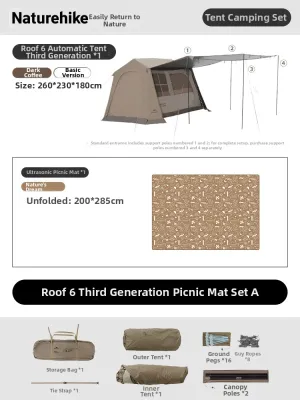
Prices are valid at publication and may change. Please refer to the product page for the latest price.
The longevity of these ratings depends on the chemical coatings applied. Polyurethane (PU) is the most common coating in budget and mid-range dome tents. It is highly effective and easy to seam-tape, but susceptible to hydrolysis—a chemical breakdown from moisture and heat that makes the fabric sticky and leaky over time. Premium tents often utilize silicone coatings on nylon fabrics (Silnylon). Silicone does not degrade through hydrolysis, increases tear strength, and sheds water exceptionally well. However, silicone-coated fabrics are more expensive and require specialized silicone sealants for maintenance.
Key Dimensions for Comparing Brand Waterproofing
Beyond raw millimeter ratings, physical construction details determine real-world storm performance. The first dimension is fabric construction, specifically denier (D) and weave. Denier measures thread weight and thickness. A higher denier, such as 75D or 150D, indicates a thicker, more durable fabric that supports heavier waterproof coatings and resists punctures. Conversely, ultra-lightweight backpacking dome tents often use 15D or 20D fabrics to save weight, requiring precise pitch tension to remain waterproof. Additionally, ripstop weaves feature a crosshatch pattern of stronger threads that prevent small punctures from spreading and compromising the waterproof barrier.

Seam construction is another critical point of comparison, as every needle hole is a potential leak point. Most reputable brands offer factory-taped seams, where waterproof tape is thermally applied over the stitched seams inside the rainfly and floor. However, some specialized or ultra-lightweight tents are sold without taped seams, requiring you to apply a liquid seam sealer manually before your first trip. When comparing brands, always verify whether the seams are pre-taped, as manual sealing requires significant time and the correct chemical sealant compatible with the tent’s specific coating.
The structural design of the dome tent also plays a major role in shedding water. A full-coverage rainfly, extending to the ground to completely cover the inner tent body, is essential for protecting against wind-driven, lateral rain. Partial rainflies leave the lower walls exposed and vulnerable to splashing water. Furthermore, look for a bathtub-style floor design, which wraps the waterproof floor fabric several inches up the sides of the tent before joining the wall fabric. This prevents standing water or mud from seeping through lower seams. Finally, well-designed vestibules provide a sheltered entryway, allowing you to open the inner tent door without letting rain fall directly onto your sleeping area.
Evaluating Rain Protection Against Price
Before evaluating costs, remember that in severe weather conditions—such as tropical storms, flash floods, or high-altitude gales—even the most expensive dome tent cannot replace proper site selection, safety training, and situational judgment. If severe weather warnings are active, the correct action is to postpone your trip or evacuate to a permanent structure rather than relying on your equipment.
When shopping for a dome tent, understanding how waterproof features scale with price helps you find the optimal value. Budget-friendly dome tents, typically priced under S$100, are designed primarily for casual, fair-weather camping. These models often feature lower hydrostatic head ratings (around 800mm to 1,200mm), partial rainflies, and basic PU coatings. While they can handle light, brief showers, they are not built to withstand prolonged downpours or strong winds. If you choose a budget model, it is wise to carry an additional tarp to suspend over the tent for extra protection.
Mid-range dome tents, generally falling between S$150 and S$400, represent the sweet spot for most recreational campers. In this price tier, you can expect full-coverage rainflies, factory-taped seams, and robust hydrostatic head ratings ranging from 1,500mm to 3,000mm for the fly and up to 5,000mm for the floor. These tents utilize higher-quality PU coatings and more durable fabrics, making them capable of handling moderate to heavy rainfall over several days while offering improved ventilation to manage interior moisture.
High-end dome tents, which often exceed S$500, are engineered for extreme weather, high-altitude expeditions, or frequent, long-term use. These premium models feature advanced materials such as silicone-coated nylon, high-strength aluminum poles, and exceptional hydrostatic head ratings. The design focuses on maintaining structural integrity and fabric tension under heavy snow or wind loads, preventing water from pooling on the fly. While this technical premium is unnecessary for casual weekend campers, it is a vital investment for those camping in harsh, unpredictable environments.
To maximize your investment, match your purchase to your expected camping frequency, venue, and carrying method. If you primarily engage in car camping where weight is not an issue, a heavier, mid-range dome tent with a thick, durable floor offers strong waterproof value. If you are backpacking and must carry your shelter over long distances, you will need to pay a premium for lightweight, high-denier fabrics with advanced silicone coatings that offer high waterproof ratings without adding bulk to your pack.
How to Verify Waterproof Claims Before Buying
To avoid being misled by marketing jargon, you must learn how to verify a manufacturer’s waterproof claims independently. Avoid relying on vague product descriptions that use terms like “weatherproof” or “storm-tested” without providing supporting data. Instead, locate the technical specifications sheet in the product manual or on the manufacturer’s official website. Look for the explicit hydrostatic head ratings listed in millimeters for both the rainfly and the floor. A reputable brand will always publish these specific figures.
It is also important to understand the distinctions between fabric labels. “Water-resistant” fabrics are tightly woven to slow water penetration but saturate quickly under steady rain. “Water-repellent” fabrics are treated with a chemical finish, such as Durable Water Repellent (DWR), which causes water to bead up and roll off. However, DWR is a surface treatment that wears off over time and does not make a fabric truly waterproof on its own. A genuinely “waterproof” tent fabric combines a high hydrostatic head rating with a continuous internal coating (like PU or silicone) and fully sealed seams to prevent water penetration under pressure.
Finally, leverage user reviews to assess real-world performance, but read them with a critical eye. Search specifically for terms like “leak,” “seam,” “peeling,” or “condensation.” Pay close attention to reviews written after several months or years of use, as these reveal how well the waterproof coatings hold up against UV exposure and packing cycles. Keep in mind that many user reports of “leaks” are actually cases of interior condensation buildup caused by poor ventilation. If a reviewer mentions that water is dripping from the ceiling on a cold, humid night despite no rain outside, this indicates a ventilation issue rather than a failure of the waterproof coating.
Frequently Asked Questions (FAQ)
What is the minimum hydrostatic head rating needed for heavy rain?
For reliable protection during heavy or sustained rain, look for a rainfly with a minimum hydrostatic head rating of 1,500mm to 2,000mm. The tent floor requires a much higher rating—ideally 3,000mm or more—because the physical pressure of sitting, kneeling, or lying down can easily force water through lower-rated fabrics on saturated ground. Proper pitch tension is also vital, as a sagging fly can collect water and compromise the fabric’s shedding ability.
Does a higher waterproof rating reduce tent breathability?
Yes, heavy waterproof coatings and high hydrostatic head ratings naturally restrict the passage of air and moisture vapor through the fabric. To prevent the interior from becoming damp with condensation, highly waterproof dome tents must feature robust ventilation designs. Look for models with adjustable rainfly vents, low-level vents to pull in cool air, and substantial mesh panels on the inner tent body to maintain airflow.
How can I maintain the waterproof coating on my dome tent?
To preserve your tent’s waterproof coatings, never store it while it is damp or dirty, as moisture triggers hydrolysis, which ruins PU coatings. Clean the fabric using a sponge, warm water, and a specialized tech wash rather than harsh household detergents. If you notice water no longer beading on the fly, reapply a spray-on DWR treatment, and use a compatible seam sealer to patch any peeling or leaking seam tape.

Community discussion
Share your experience or ask a question. Comments are reviewed before publication.