
Choosing between a dry grip and a cushioned overgrip is one of the most immediate ways to customize your racket’s performance, especially when playing in hot, humid environments. The right choice depends on your personal sweat levels, how much feedback you want to feel from the racket frame, and whether your joints require extra shock absorption. While some players prioritize a tacky, cushioned feel that softens impact, others need a dry, paper-like texture that actively absorbs moisture to prevent the racket from twisting during high-velocity swings.
Understanding these trade-offs allows you to select an overgrip that matches your physical needs and playing style. Rather than relying on universal recommendations, evaluating your specific court conditions and physical feedback preferences will guide you to the correct category. This guide compares the core characteristics of dry and cushioned grips, helping you make an informed decision for your next session on the court.
Core Differences in Feel, Tackiness, and Moisture Management
Dry grips and cushioned overgrips differ fundamentally in their surface texture and how they interact with the player’s hand. Dry grips typically feature a matte, velvety, or paper-like texture that feels dry to the touch even before you start playing. They are designed with minimal initial tackiness, relying instead on moisture-activated properties to maintain friction as your hands begin to sweat.
Products mentioned in this guide
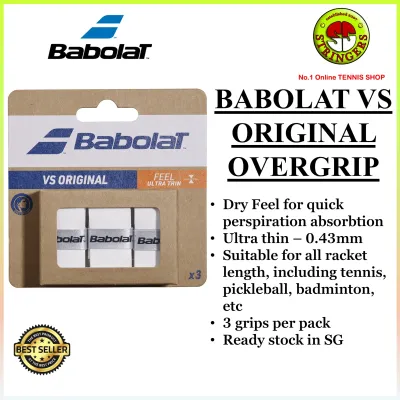
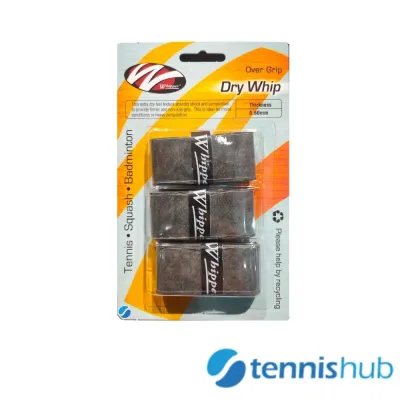
![Tourna Grip XL 3-IN-1 Original Dry Feel Tennis Grip [TG-1-XL]](https://img.lazcdn.com/g/p/de8f0fa9722e0c4848b28ac3d78793d3.jpg_400x400q80.jpg_.webp)
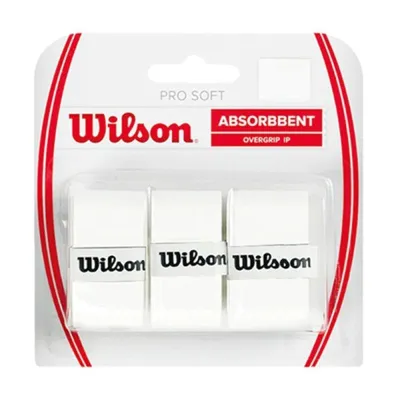
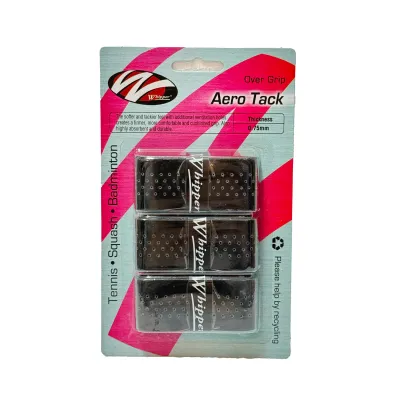
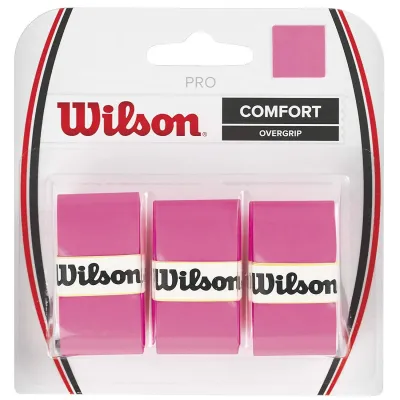
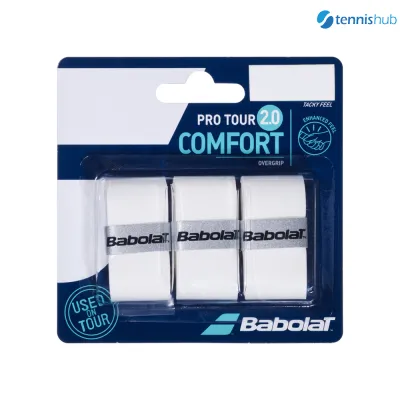
Prices are valid at publication and may change. Please refer to the product page for the latest price.
In contrast, cushioned overgrips often prioritize a tacky, polyurethane-based surface that offers an immediate, sticky hold. This tackiness is highly effective for players with dry to moderately sweaty hands, as it secures the racket in the palm with minimal grip pressure. However, if sweat levels exceed the material’s surface capacity, a highly tacky grip can become slippery, losing its holding power.
Moisture management is where these two categories diverge most sharply. When evaluating product packaging, look for terms such as “moisture-wicking,” “open-pore structure,” or “high absorption capacity” on dry grips, which indicate the material is designed to draw sweat away from the surface. Cushioned grips may feature perforations or tread patterns to help channel moisture away, but their primary mechanism is barrier protection and comfort rather than deep moisture absorption.
The physical sensation transmitted through the handle also represents a major trade-off between these two styles. Cushioned grips utilize thicker foam or gel layers to dampen vibrations, which reduces the shock transmitted to your wrist and elbow during off-center hits. Dry grips are significantly thinner, providing direct, unfiltered feedback from the racket’s bevels, allowing competitive players to feel the exact angle of the face upon ball contact.
Durability and Upkeep in Humid Climates
Playing racket sports in Singapore’s tropical climate subjects overgrips to intense humidity and rapid moisture saturation. This constant exposure to sweat and ambient moisture accelerates the degradation of grip materials, making regular inspection essential. Understanding how each material wears down helps you maintain a secure hold and avoid sudden slips during critical points.

Observable signs of wear differ clearly between the two grip types. For dry grips, degradation typically manifests as fraying edges, thinning material, or a chalky texture that begins to rub off on your hands. Cushioned grips, on the other hand, tend to show wear through peeling surface layers, a complete loss of tackiness, or a hardened, compressed feel where the cushioning foam has collapsed.
To maximize the lifespan of any overgrip, simple and low-risk maintenance steps should be performed after every playing session. Always wipe down the handle with a clean, dry cloth immediately after stepping off the court to remove excess sweat and salt buildup. Additionally, avoid storing your racket in enclosed, damp bags or leaving it in direct sunlight, as trapped humidity and high heat break down polyurethane and adhesive backings rapidly.
Certain materials degrade faster under specific conditions, which should guide your upkeep routine. For instance, dry grips exposed to heavy rain or left saturated in a sealed bag can develop mold or lose their structural integrity much faster than cushioned alternatives. Conversely, cushioned grips left in hot car trunks will often experience adhesive melting or surface peeling, rendering them unusable even if they have not been played with extensively.
Matching the Grip to Your Playing Style and Conditions
Selecting the right grip requires aligning the material’s physical properties with your specific playing style, physical needs, and local court conditions. A structured decision framework can help you narrow down the options based on your typical match play. If you generate heavy topspin, rely on rapid grip transitions, or experience heavy sweating, a dry grip is generally the more reliable choice to prevent slippage.
Conversely, if you prioritize comfort, suffer from joint sensitivity, or prefer a softer feel that reduces hand fatigue, a cushioned grip is highly suitable. The added thickness of a cushioned grip helps absorb the harsh vibrations of hard court play, making it a popular choice for recreational players or those recovering from minor strain.
The specific racket sport you play also influences how grip thickness alters leverage and control. In tennis, where rackets are heavier and impacts are high-force, a cushioned grip can help manage shock but may slightly round out the handle’s bevels, making precise grip changes harder to feel. In badminton, where rapid wrist snaps and precise finger control are paramount, a thinner dry grip allows for maximum tactile feedback and faster manipulation of the racket face.
Verify first if you have specific hand injuries, are transitioning between grip types for the first time, or are unsure of your exact sweat levels under match pressure. In these scenarios, it is highly recommended to purchase and test a single unit rather than committing to a bulk pack. Spending a small amount, such as S$3 to S$5 on a single trial grip, allows you to evaluate the feel, thickness, and moisture absorption during a live practice session before upgrading your entire racket lineup.
Evaluating Thickness, Weight, and Racket Balance
Before applying a new overgrip, it is important to assess how its physical dimensions will alter the overall profile and balance of your racket. Adding any material to the handle increases both the grip circumference and the weight at the butt end of the frame. Checking the manufacturer’s specifications for exact thickness ensures the final handle size remains comfortable for your hand.
An excessively thick handle can restrict your finger placement, making it difficult to wrap your hand completely around the grip. This added bulk often forces players to squeeze the racket harder to maintain control, which can lead to premature forearm fatigue or wrist strain during extended matches. Conversely, a grip that is too thin may cause the racket to twist in your hand upon impact, especially when returning heavy serves.
The weight of the grip, though seemingly minor, can also subtly shift the racket’s balance point toward the handle, making the head feel lighter and altering your swing timing. To ensure a new grip type does not negatively impact your play, apply a single sample grip and perform a few practice swings. This simple check allows you to verify the balance shift and physical feel before investing in a multi-pack or modifying multiple rackets.
Frequently Asked Questions (FAQ)
Can I apply a dry grip over an existing cushioned grip?
Yes, you can apply a dry overgrip over an existing cushioned grip, but you must consider the cumulative effect on the handle’s size and shape. Layering overgrips increases the overall circumference of the handle, which can round out the distinct bevels of the racket shaft and reduce your ability to feel correct finger placement. If your hand size accommodates a larger grip and you desire maximum shock absorption, layering is acceptable; otherwise, it is best to remove the old grip entirely down to the replacement grip level to maintain precise control.
How often should I replace my overgrip during a humid season?
Rather than following a strict calendar schedule, you should replace your overgrip based on observable physical indicators. In highly humid conditions, look for signs such as a slippery feel during play, visible dirt or sweat discoloration, fraying edges, or a noticeable loss of cushioning. If you find yourself squeezing the racket tighter than usual to prevent it from twisting, or if the grip remains damp long after your session has ended, it is time to install a fresh overgrip.
Does the Whipper dry grip require a specific wrapping technique?
To achieve the intended performance from a Whipper dry grip, you should closely follow the manufacturer’s specific wrapping instructions. Generally, dry grips require consistent tension during application to prevent bunching, along with a precise overlap percentage—typically around one-sixteenth to one-eighth of an inch—to ensure a smooth, uniform surface. Always secure the top of the grip firmly with the provided finishing tape to prevent unraveling during intense rallies, and check that the bevels of your racket handle remain distinct after wrapping.

Community discussion
Share your experience or ask a question. Comments are reviewed before publication.