
To ensure your dumbbells fit safely on a new dumbbell rack, you must verify three critical specifications: the total and per-tier weight capacity, the physical tier dimensions (including handle clearance and shelf depth), and the cradle or tray shape. Matching these specifications prevents equipment damage, ensures easy access during workouts, and maintains structural safety in your home gym.
Weight Capacity and Load Distribution
Before purchasing a dumbbell rack, calculate the combined weight of your entire dumbbell set. Compare this total sum against the rack’s maximum rated weight capacity. It is vital to distinguish between the total weight limit of the frame and the individual per-tier weight limits. For example, a rack might support a high total weight overall but have a much lower limit for each individual shelf, meaning you cannot load all your heaviest pairs onto a single tier.
Examine the structural materials of the frame. Look for heavy-duty steel construction, often indicated by the steel gauge thickness, and check the welding quality at the joints. A wider base design helps distribute the load evenly across your floor. If you are setting up a home gym in a high-rise apartment or HDB flat in Singapore, understanding how the rack distributes this concentrated weight is essential for protecting your flooring and maintaining structural safety.
Products mentioned in this guide

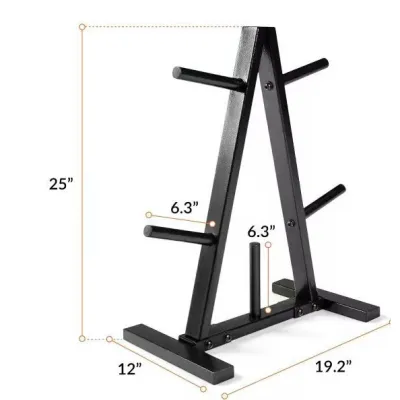
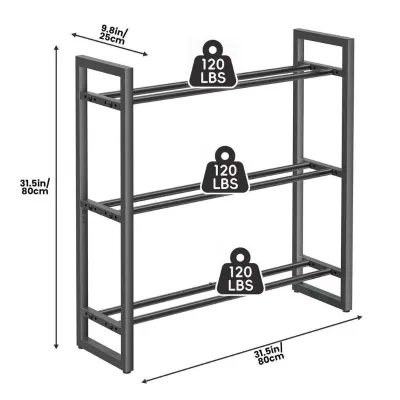
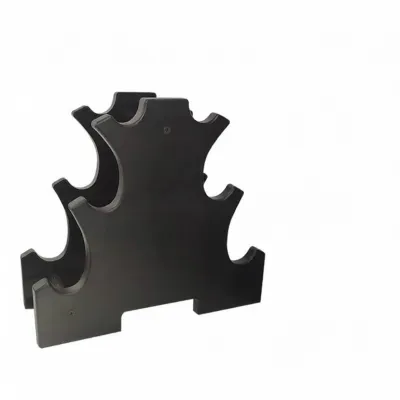
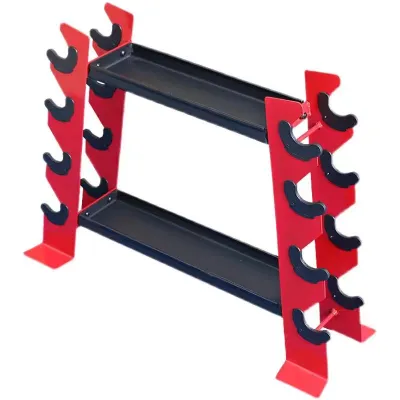
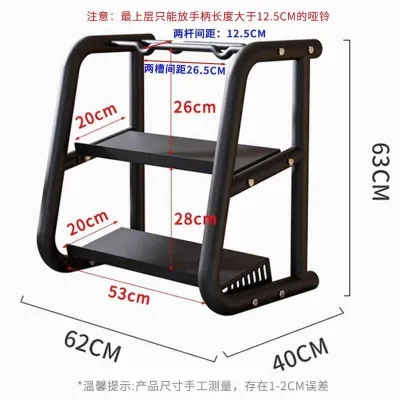
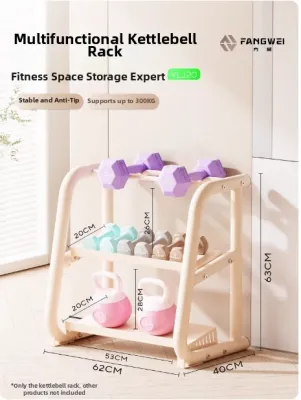
Prices are valid at publication and may change. Please refer to the product page for the latest price.
Always verify the manufacturer’s load specifications directly on the product packaging or manual before loading the shelves. Never assume a rack can hold your entire set just because it has three tiers; verify the exact numbers first.
Tier Dimensions and Spacing Requirements
Physical dimensions determine whether your dumbbells will physically sit on the rack without overlapping or falling off. Start by measuring the inside handle length of your dumbbells. The distance between the inner faces of the dumbbell heads must be wider than the support rails of the rack, or the dumbbell will not rest securely. Next, measure the maximum diameter of the dumbbell heads to ensure the shelf depth can accommodate them without the weights hanging dangerously over the edge.

When measuring, use a standard tape measure to get the exact distance between the inner edges of the weight plates. If your dumbbells have contoured handles, ensure the thickest part of the grip still aligns correctly with the rack’s support rails.
Vertical clearance between the tiers is another critical factor. There must be enough open space above each dumbbell to allow your hands to grip the handle comfortably without scraping your knuckles on the tier above. When planning your setup, account for the width of each dumbbell pair along the shelf. If you plan to expand your collection later, leave extra horizontal space or choose a modular rack that allows you to add tiers, ensuring you do not overcrowd the existing shelves.
Cradle, Tray, and Shape Compatibility
Dumbbell racks generally feature either flat trays or contoured cradles, and choosing the wrong style can lead to instability. Flat trays are highly versatile and work well for hexagonal dumbbells, which naturally resist rolling. However, round dumbbells placed on a flat tray require a lip or a rubberized barrier to prevent them from rolling off. Contoured cradles are designed to hold round or urethane-coated dumbbells securely in individual slots, but they may not accommodate the flat edges of hex dumbbells properly.
Inspect the rack for protective padding or rubberized contact points along the rails or inside the cradles. These protective layers prevent metal-on-metal friction, which can scratch the dumbbell coating or damage the rack’s finish over time. A mismatch between the dumbbell shape and the rack style can cause weights to sit unevenly, increasing the risk of a dumbbell slipping out of place when you re-rack it after an intense set.
For those using rubber-coated or neoprene dumbbells, a flat tray with a thick rubber lining is often the ideal choice to prevent tearing the outer material. If you choose a cradled rack, ensure the cradle width matches the width of your dumbbell heads to prevent them from shifting sideways.
Stability, Footprint, and Safety Checks
The physical footprint of the rack determines its overall stability and center of gravity. Racks with a wider, slightly angled base are less prone to tipping forward when you remove or replace heavy weights. As a safety rule, always load your heaviest dumbbells on the bottom tiers and place the lighter pairs on the top shelves to keep the center of gravity as low as possible.
Consider floor protection based on the total loaded weight of your setup. In Singapore homes, placing a high-density rubber mat beneath the rack’s feet is highly recommended to prevent indentations in vinyl, laminate, or tile flooring. Additionally, check that all bolts and assembly hardware are tightened to the manufacturer’s specifications. A loose bolt can compromise the entire frame’s stability, leading to a dangerous collapse under heavy loads.
Establish clear safety stop conditions during assembly and use. If you observe any visible frame bending, persistent wobbling when racking weights, or cracked welds, stop using the rack immediately and inspect the structural integrity or consult the manufacturer.
Frequently Asked Questions (FAQ)
Can I mix different dumbbell brands and sizes on the same rack?
Yes, you can store different brands and sizes on the same rack, provided you group them carefully to maintain balance. Place heavier pairs on the lower shelves and distribute the weight evenly from left to right to prevent the rack from leaning. Ensure that the varying head shapes do not interfere with each other or prevent adjacent dumbbells from sitting flat in their designated spaces.
Do I need a specialized rack for adjustable dumbbells?
Adjustable dumbbells often require specialized stands or proprietary trays rather than standard multi-tier racks. Because adjustable systems rely on a central docking base, the rack must have a flat, secure platform that matches the exact dimensions of that base. Verify that the stand does not obstruct the dial, pin, or handle mechanisms, allowing you to adjust the weight easily while the base remains securely docked.

Community discussion
Share your experience or ask a question. Comments are reviewed before publication.