
Choosing the right tennis ball for regular play in Singapore depends on balancing your playing frequency, court surface, and budget against the physical characteristics of the ball. While Dunlop ATP tennis balls are designed as premium, tournament-grade options with specific felt and core specifications, they exist alongside a wide range of standard recreational and alternative premium balls. Finding the ideal match requires evaluating how different constructions hold up against local hard courts and high-humidity conditions.
Setting the Baseline: Dunlop ATP vs. Common Alternatives
Dunlop ATP tennis balls are engineered as premium, pressurized tournament balls, featuring specific felt weaves and core technologies designed for consistent flight and bounce. According to manufacturer specifications, these balls are built to meet the rigorous demands of professional tour play, which typically translates to a livelier bounce and a highly responsive feel off the racket face. They are packaged in pressurized cans to maintain their internal tension until the moment they are opened.
For regular players, alternatives generally fall into two distinct categories: standard recreational balls and other premium tour-level balls. Standard recreational balls are often more budget-friendly, featuring simpler felt blends and slightly lower internal pressure specifications, making them highly accessible for casual hitting or coaching. Other premium tour-level options from competing brands aim for a similar high-performance bracket as the Dunlop ATP, utilizing proprietary felt weaves and rubber compounds to optimize durability and playability.
Products mentioned in this guide
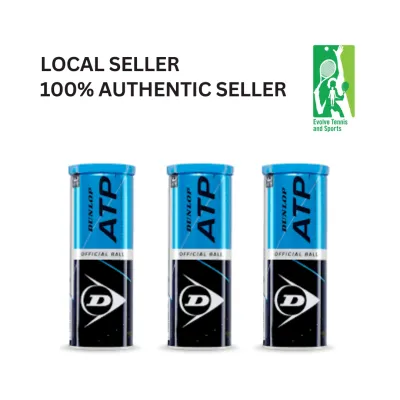
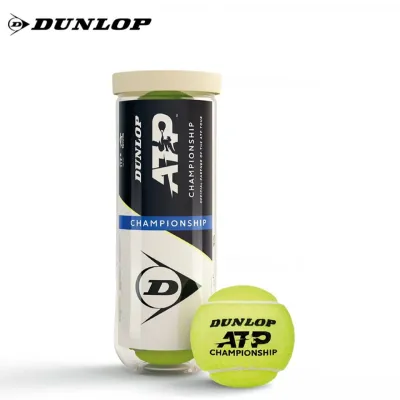
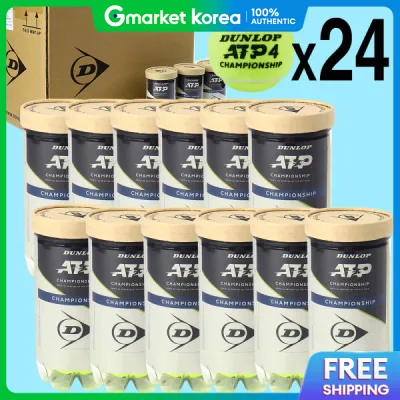
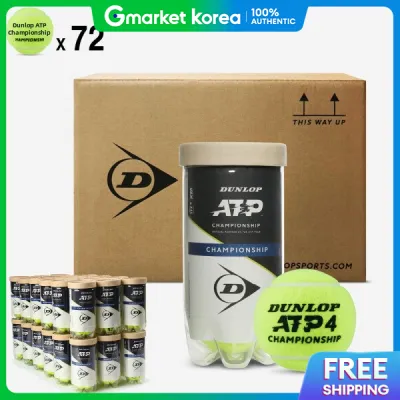
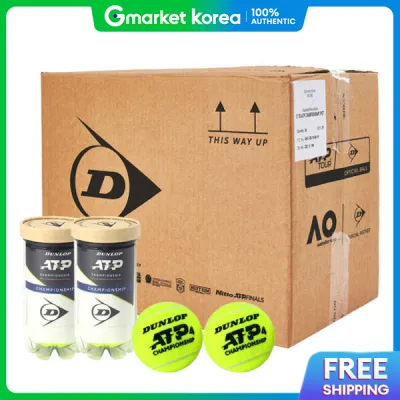
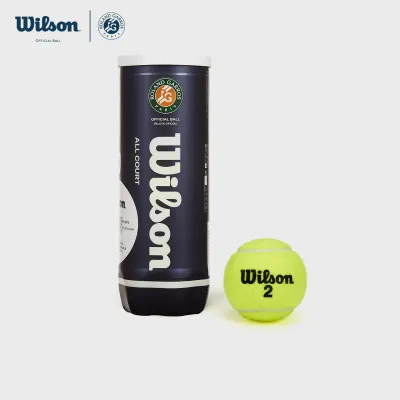
Prices are valid at publication and may change. Please refer to the product page for the latest price.
In Singapore, “regular play” typically refers to weekly club matches, social singles or doubles sessions, or structured coaching drills, often conducted on outdoor hard courts. Because these hard courts are highly abrasive and the local climate is consistently hot and humid, the baseline performance of any tennis ball will degrade faster than in cooler, indoor environments. Understanding these baseline differences helps players determine whether a premium tournament ball or a standard alternative best suits their weekly routine.
Core Performance Dimensions to Compare
When comparing Dunlop ATP to other options on the market, players should focus on three core physical dimensions: felt type, core rubber quality, and pressure retention. These structural elements dictate how the ball interacts with the racket strings, how it behaves through the air, and how long it maintains a predictable bounce. Evaluating these specifications on the packaging allows you to make an informed choice before hitting the court.

To ensure compatibility with your typical playing environment, always check the manufacturer labels for court surface recommendations. Premium balls often specify whether they use “all court,” “clay court,” or “hard court” felt, which directly impacts how the outer layer resists abrasion. Over time, regular play will inevitably lead to observable signs of wear, such as a drop in bounce height, a hollow sound upon impact, or visible balding of the felt, indicating that the ball has reached the end of its useful lifespan.
Felt Quality and Court Surface Compatibility
The distinction between regular-duty and extra-duty felt is critical for players utilizing hard court surfaces. Extra-duty felt features a thicker, slightly looser weave containing a higher percentage of synthetic fibers, which is specifically designed to resist the abrasive friction of hard courts without wearing down too quickly. Regular-duty felt, conversely, is thinner and tighter, optimized for clay or indoor courts where abrasion is minimal and moisture resistance is prioritized.
Before purchasing a can of tennis balls, inspect the packaging and, if visible, the ball itself for key quality indicators. Look for a tight, uniform seam where the felt panels meet, as loose seams can split under heavy topspin or hard impacts. The felt should feel dense and uniform across the entire surface of the ball, with no loose fibers or uneven patches that could alter the ball’s aerodynamics during flight.
Pressure Retention and Longevity
Pressurized tennis balls rely on internal gas pressure to deliver their characteristic bounce and speed, whereas pressureless balls rely entirely on the structural elasticity of their rubber cores. While pressureless balls maintain their bounce height almost indefinitely, they tend to feel significantly heavier and stiffer on the racket strings, which may not appeal to players accustomed to a traditional tournament feel. Pressurized options like the Dunlop ATP offer highly responsive playability but begin losing pressure the moment the can is unsealed.
To determine if a ball is no longer suitable for regular play, observe its behavior during warm-ups. A “dead” ball will exhibit a noticeable drop in bounce height when dropped from shoulder level, and it will produce a dull, flat sound rather than a crisp pop when struck. Additionally, if the felt has bald spots or has become excessively fluffed up, the ball will drag through the air and bounce unpredictably, signaling that it is time for a replacement.
Assessing Value and Purchasing Options
For regular players in Singapore, the cost of tennis balls can accumulate quickly, making it essential to evaluate different packaging formats and purchasing strategies. Buying individual three-ball or four-ball cans is highly convenient for occasional matches, but it carries a higher unit cost per ball. Purchasing balls in bulk cartons—typically containing 18 to 24 cans—offers a lower S$ cost per ball and is often the most economical route for players who hit multiple times a week.
When buying pressurized cans, especially in bulk, it is wise to check the manufacturing dates or batch codes printed on the packaging. Pressurized cans are not completely impermeable, and over extended periods of storage, the internal pressure can gradually seep out, resulting in a flat ball right out of the can. Ensuring you are purchasing relatively fresh stock helps protect your investment and guarantees the balls perform as intended.
To find the true value of a tennis ball, weigh the upfront purchase price against the expected number of high-quality playing sessions it can deliver. A cheaper, standard ball might cost less initially but may require replacement after a single session due to rapid pressure loss or felt wear. Conversely, a premium ball like the Dunlop ATP may carry a higher initial price tag but could maintain its playability across multiple sessions, ultimately offering better value for competitive play.
Decision Framework: Which Ball Fits Your Regular Play?
To finalize your choice, align your selection with your specific playing habits, frequency, and court preferences.
Choose Dunlop ATP if you prioritize a highly consistent, tournament-grade feel and participate in competitive club matches where predictable bounce and flight are essential. These balls are particularly well-suited for players who prefer a lively, responsive ball that matches the specifications used in professional tournaments. If you play on well-maintained hard courts and value premium felt quality that resists rapid fluffing, investing in this tier of ball will enhance your overall playing experience.
Choose standard alternatives if your regular play consists primarily of casual hitting, social rallies, or high-volume coaching drills where absolute bounce precision is secondary to budget. If you tend to play with high frequency and prefer to open a fresh can for every session regardless of wear, standard recreational balls offer a highly cost-effective solution. They are also excellent for recreational players who want to minimize their per-session expenses without sacrificing the basic playability required for casual games.
Verify first if you have specific physical considerations, such as a history of tennis elbow or wrist strain, which may require a lower-compression or softer-feeling ball to reduce impact shock. Additionally, if you play on highly abrasive, unshaded outdoor courts in Singapore, check the specific felt durability ratings on the packaging, as some premium balls may wear down faster under extreme heat and friction than specialized heavy-duty options.
Frequently Asked Questions (FAQ)
How long do premium tennis balls typically last for regular play?
For regular play, which typically involves two to four hours of active court time per week, a premium pressurized tennis ball will generally maintain its optimal bounce and felt structure for one to two sessions. After this period, the gradual loss of internal pressure and the wear on the felt will begin to affect the ball’s responsiveness and flight consistency.
Several environmental and playing factors can accelerate this degradation process. Players who hit with heavy topspin subject the felt to intense friction, causing it to fluff up or wear thin much faster than flat hitters. Furthermore, playing on abrasive outdoor hard courts under hot, humid conditions increases the rate of pressure loss and physical wear, meaning balls used in these settings will need more frequent replacement.
Can I use tournament balls like Dunlop ATP for practice with a ball machine?
While you can use premium tournament balls like the Dunlop ATP in a ball machine, it is generally not recommended for long-term practice. The high-velocity spinning wheels or propulsion mechanisms inside ball machines exert significant mechanical stress on the balls, which can rapidly wear down premium felt and deplete internal pressure within a short period.
Additionally, using premium pressurized balls in a machine can be highly uneconomical due to the sheer volume of balls required to fill the hopper. For consistent machine practice, check the machine manufacturer’s guidelines; many recommend using pressureless balls or specialized trainer balls, which are designed to withstand repeated mechanical feeding without losing their bounce characteristics.

Community discussion
Share your experience or ask a question. Comments are reviewed before publication.