
Navigating Singapore’s extensive Park Connector Network (PCN) offers a scenic, efficient way to commute, but it requires a thoughtful approach to safety. Because these paths are shared among cyclists, pedestrians, and runners, keeping your bicycle properly equipped is both a practical necessity and a legal obligation. Selecting the right accessories from specialized brands like ULAC helps you stay compliant with local regulations while protecting yourself and others on the path. Rather than choosing gear at random, a systematic evaluation of your daily route, riding times, and parking habits will guide you to the most effective setup.
Understanding Safety Rules and PCN Commuting Requirements
Before mounting any accessories, you must understand the legal framework governing active mobility in Singapore. Under local transport authority regulations, anyone riding a bicycle on public paths during hours of darkness must equip their vehicle with a functioning front white light and a rear red light. Additionally, your bicycle must have a working bell to alert other path users of your approach. Operating without these mandatory safety items can result in strict penalties, making compliance your first priority when preparing for a daily commute.
Beyond legal mandates, shared-path etiquette dictates how and when you use your gear. The PCN features varying speed limits depending on the specific path classification, and riders are expected to yield the right-of-way to pedestrians. Because these paths can become highly congested during morning and evening peak hours, clear communication is vital. Your accessories should serve as tools to negotiate tight spaces and blind corners smoothly, reducing the risk of sudden collisions.
Products mentioned in this guide
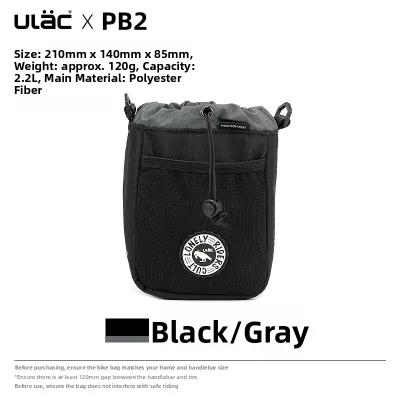

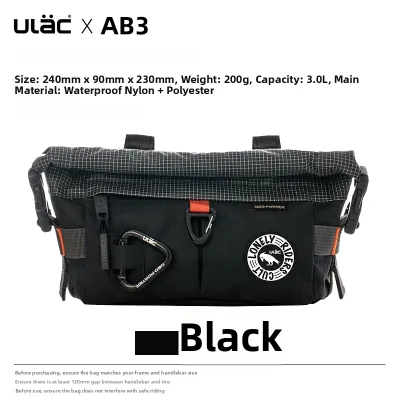
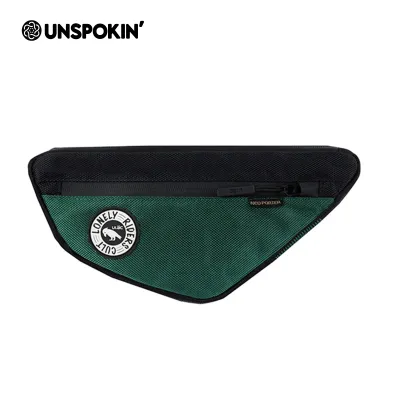
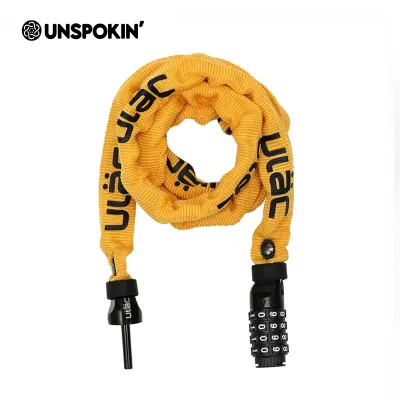
Prices are valid at publication and may change. Please refer to the product page for the latest price.
Singapore’s tropical climate can also bring sudden, heavy downpours that rapidly reduce visibility even during the afternoon, meaning that weather-resistant safety gear is highly beneficial regardless of your planned riding hours. While daytime commuters might primarily focus on audible alerts and basic security locks, those riding during dawn, dusk, or night must prioritize high-visibility lighting.
Choosing ULAC Lights for Visibility and Legal Compliance
When selecting ULAC lights, your primary focus should be on meeting regulatory standards while ensuring you remain visible to oncoming traffic and pedestrians. Check the product packaging and technical specifications to confirm the light emits the correct color—white for the front and red for the rear. Verify that the mounting brackets are compatible with your bicycle’s handlebar and seatpost diameters, allowing the lights to be positioned horizontally so they do not point directly into the eyes of oncoming path users.

Battery management is another critical factor for daily commuters. Look for lights featuring clear battery life indicators, which prevent unexpected power depletion mid-ride. USB-rechargeable models are highly convenient for office commuters who can plug their devices into a computer or wall charger during the workday. Evaluate the estimated runtime on different modes to ensure the light can easily cover your round-trip commute on a single charge.
The lighting conditions along your specific PCN route should dictate the beam pattern you choose. Many sections of the PCN are well-lit by streetlights, where a compact, wide-angle safety light is sufficient. However, if your route includes unlit park loops or heavily shaded canopy areas, you will need a headlight with a focused, stronger beam pattern to illuminate the path ahead. Always check for anti-glare lens designs that direct light downward onto the pavement, preserving the night vision of oncoming cyclists.
Selecting a ULAC Bell for Shared-Path Communication
A reliable bell is your primary tool for polite, effective communication on shared paths. When evaluating ULAC bells, listen for a tone that is clear and resonant enough to cut through ambient urban noise, such as traffic hum and wind, without being so loud or harsh that it startles pedestrians. A pleasant, distinct ring gives walkers ample time to step aside safely, fostering a cooperative environment on the PCN.
Physical compatibility with your bicycle is essential for secure installation. Check the bell’s mounting specifications to ensure it fits your handlebar’s thickness. Many modern bells utilize flexible silicone bands or adjustable clamps that allow for tool-free installation, but you must verify that the mount holds the bell firmly in place to prevent rattling or shifting when riding over uneven pavement.
Ergonomics play a vital role in how effectively you can use your bell in an emergency. Position the bell close to your grips so you can easily reach the striker or lever with your thumb without releasing your hand from the handlebar or brake lever. This quick-access setup ensures you can give a warning signal instantly while maintaining full steering and braking control over your bicycle.
Evaluating ULAC Mirrors for Situational Awareness on Shared Paths
Maintaining situational awareness on crowded PCN routes can be challenging, particularly when faster cyclists or active mobility devices attempt to overtake you from behind. A mirror provides a continuous view of your surroundings, reducing the need to turn your head—a movement that can cause inexperienced riders to swerve unintentionally. When choosing a mirror, consider whether a handlebar-mounted model or a helmet-mounted alternative fits your riding style and comfort preferences.
Handlebar-mounted mirrors offer a stable, fixed perspective but are subject to road vibrations. Look for models with robust, adjustable joints that allow you to fine-tune the angle to eliminate blind spots. The mirror glass should feature a wide field of view and glare-resistant properties to prevent temporary blindness from trailing headlights during night commutes.
Additionally, consider the physical footprint of the mirror. On narrow PCN paths, a mirror that extends too far outward can catch on foliage or passing obstacles. Look for compact designs or models with folding mechanisms that allow you to tuck the mirror inward when parking in tight public racks or transporting your bicycle on public transit.
Securing Your Bike with a ULAC Lock at Transit Points
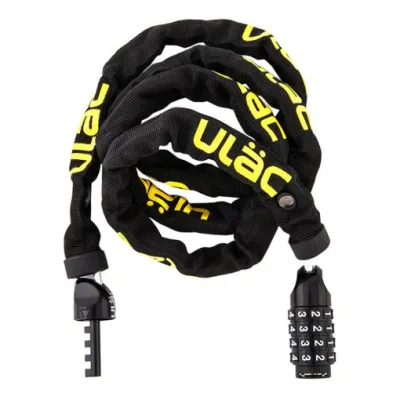
Commuting often involves leaving your bicycle parked at transit hubs, MRT stations, or shopping centers along the PCN. To protect your investment, you must match your lock selection to the local security risk and the available parking infrastructure. Cable locks are highly flexible and lightweight, making them easy to carry, but they are generally best suited for low-risk, short-duration stops where your bike remains within your line of sight.
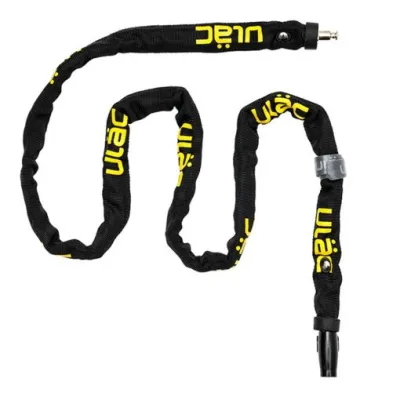
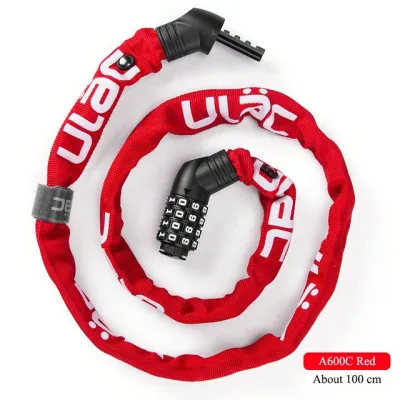
For longer parking durations at busy public transit points, a more robust option like a hardened steel chain lock or a U-lock is advisable. Before purchasing, check the inner dimensions of the lock to ensure it can comfortably loop around both your bicycle frame and a permanent fixture, such as a metal public bike rack. A lock that is too small may limit your parking options, while one that is excessively large can be heavy and cumbersome to transport.
You should also weigh the convenience of key-operated locks against combination mechanisms. Key locks are straightforward but carry the risk of lost keys, whereas combination locks require you to remember a code, which can be difficult to manipulate with wet hands. Look for locks with protective silicone or fabric sleeves to prevent the metal links from scratching your bicycle’s frame paint during daily use.
Building Your Complete ULAC Commuting Setup
Once you have selected your individual accessories, you must integrate them into a cohesive system that does not compromise your bicycle’s performance. Calculate the total weight of your lights, bell, mirror, and lock, ensuring they do not negatively affect your bike’s steering or balance. Distribute the weight evenly; for instance, carry heavy locks in a frame bag or pannier rather than hanging them loosely from your handlebars, which can interfere with steering control.
Verify that all mounting brackets are securely tightened and do not block other essential components. A poorly positioned front light mount might pinch your brake cables, while a bulky seatpost lock mount could block your rear safety light. Take the time to adjust each accessory so that your cockpit remains clean, organized, and fully functional.
Finally, establish a simple pre-ride inspection routine before every commute. Check that your lights are fully charged and securely clicked into their mounts, test your bell to ensure the striker moves freely, and verify that your lock key or combination is functioning correctly. This brief check takes only a moment but ensures that your safety equipment performs reliably throughout your journey on the PCN.
Frequently Asked Questions (FAQ)
How do I maintain my bike lights and locks in a humid climate?
Singapore’s high humidity and frequent rain can accelerate wear on electronic and mechanical accessories. To protect your gear, wipe down your lights and locks with a dry microfiber cloth after riding in wet weather, paying close attention to charging ports and keyholes. Ensure that the rubber dust covers on your USB charging ports are pressed firmly in place before every ride to prevent moisture ingress.
For lock maintenance, apply a light coat of dry, Teflon-based lubricant to the keyway and locking mechanism every few months. Avoid heavy wet lubricants, as they tend to attract road grit and dust. Store your rechargeable lights in a cool, dry indoor environment when not in use, and avoid leaving them in direct sunlight or inside hot vehicles, which can degrade the lithium-ion batteries and shorten their overall lifespan.

Community discussion
Share your experience or ask a question. Comments are reviewed before publication.