
A 5kg kettlebell is one of the most versatile additions to any Singapore home gym, offering a practical starting point for strength training, mobility work, and high-repetition cardiovascular conditioning. Because of its compact size, it fits easily into smaller residential spaces like HDB flats or condominiums, allowing for efficient workouts without requiring dedicated gym rooms. However, finding a brand that delivers lasting value requires looking beyond the surface paint or vinyl wrap.
In Singapore’s highly humid climate, material selection and manufacturing quality directly impact how well a kettlebell resists rust, maintains its grip, and protects your flooring. Selecting the right brand involves evaluating specific structural elements—such as handle texture, base flatness, and casting integrity—to ensure your investment remains safe and functional over years of consistent use.
Core Criteria for Comparing 5kg Kettlebell Brands
Before comparing specific brands available in local sports stores or online marketplaces, you must establish clear baseline metrics based on your training goals. A 5kg kettlebell is primarily utilized for three distinct purposes: high-repetition endurance training (such as snatches and high-volume swings), targeted mobility work (such as halos and Turkish get-ups), and foundational strength training for beginners. Each of these use cases demands a different balance of structural features, meaning a kettlebell designed for slow, controlled movements may not perform well during fast, dynamic exercises.
Products mentioned in this guide
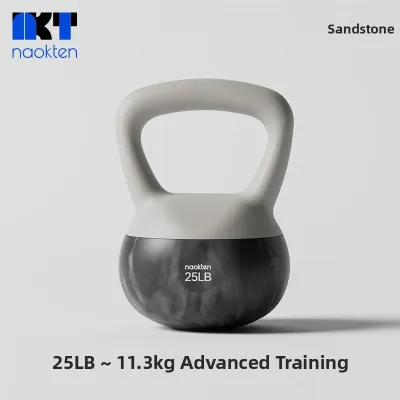
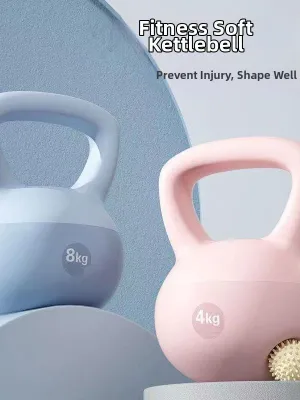
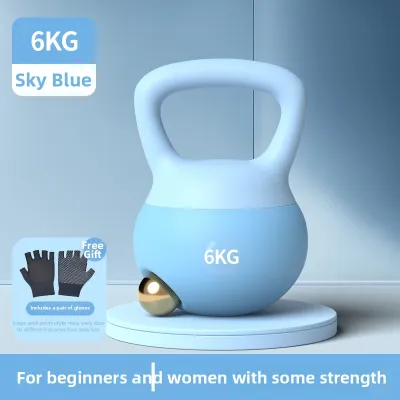
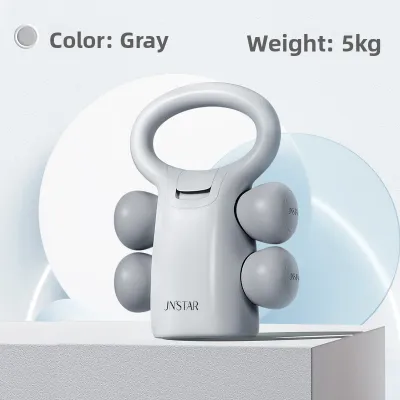
Prices are valid at publication and may change. Please refer to the product page for the latest price.
To find the best balance between price, material longevity, and ergonomic design, you must look closely at how the kettlebell is manufactured. Entry-level utility brands often prioritize low production costs, resulting in rough finishes, while premium brands invest in precision casting and specialized coatings. For a 5kg weight, which is relatively light, the ergonomic design of the handle and the overall balance of the bell are far more critical for preventing wrist strain than they would be on a much heavier, slower-moving weight.
When browsing product listings on ecommerce platforms, several red flags should prompt immediate caution. The most common warning sign is a complete lack of dimensional specifications, such as handle diameter, window height, or base width. Brands that omit these measurements often use inconsistent molds, leading to variations between batches. Another major red flag is the use of vague material descriptions like “vinyl-encased” without specifying the core material; this often hides a cheap concrete or sand filling, which is prone to cracking, leaking, and shifting balance during dynamic movements.
Evaluating Handle Comfort and Grip Design
The handle is your sole point of contact with the kettlebell, making its design the most critical factor for safety and comfort. For a 5kg kettlebell, the handle diameter typically ranges between 28mm and 32mm. A thinner handle is generally easier to grip for individuals with smaller hands, reducing forearm fatigue during high-repetition sets. Additionally, the window size—the open space between the handle and the bell body—must provide sufficient clearance so that your wrist does not press painfully against the iron during overhead presses or rack holds.

Surface texture plays a massive role in grip security, especially when working out in Singapore’s warm, humid environment where sweaty palms are inevitable. Powder-coated finishes are widely considered the gold standard for home use because they offer a slightly textured surface that retains chalk exceptionally well while remaining comfortable for bare hands. In contrast, bare cast iron can feel overly rough and is highly susceptible to rusting, while smooth chrome or glossy vinyl handles tend to become incredibly slippery when wet, increasing the risk of accidental drops.
Another critical quality indicator is the presence of casting seams or burrs along the underside of the handle. During the manufacturing process, molten metal is poured into two-part molds, which often leaves a raised ridge where the halves meet. Cheaply made kettlebells frequently skip the hand-grinding stage, leaving these sharp ridges intact. Over the course of a single workout involving dynamic swings or cleans, these minor imperfections can easily cause painful blisters or tears in your skin, rendering the equipment unusable without gloves.
Assessing Build Quality and Material Finishes
The choice of material determines not only how long your kettlebell will last but also how well it integrates into a home environment. Solid cast iron is the traditional choice, offering unmatched durability and a compact size for its weight. However, raw or poorly coated iron will quickly oxidize and rust when exposed to Singapore’s ambient humidity. To combat this, many home users look toward vinyl- or neoprene-coated kettlebells, which provide a protective barrier for both the iron and your home’s tiled or vinyl flooring.
While coated kettlebells offer excellent floor protection and noise dampening, they come with distinct trade-offs that you must verify before purchasing. Low-grade vinyl coatings can trap moisture underneath if the seal is imperfect, leading to hidden rust that eventually splits the outer shell. Furthermore, some cheap synthetic coatings emit a strong, persistent chemical odor that can be highly unpleasant in enclosed, air-conditioned rooms. If you opt for a coated model, ensure the brand uses high-quality, non-toxic neoprene that is securely bonded to the metal core.
Base stability is another crucial safety factor that is frequently overlooked in cheaper brands. A high-quality kettlebell must feature a flat, machined base that allows it to sit perfectly upright on the floor without wobbling. This stability is essential for performing floor-based exercises such as renegade rows, push-ups on the bells, or bear crawls. If a brand’s quality control is poor, the base may have a slight curve or a protruding casting gate, making the kettlebell highly unstable and dangerous to use as a weight-bearing platform.
Determining Value for Money and Long-Term Use
When evaluating the cost of a 5kg kettlebell in Singapore, you will generally encounter three distinct price tiers. Entry-level plastic or cement-filled models typically cost between S$10 and S$20; however, their bulkiness and poor durability make them a poor long-term investment. Standard cast iron and neoprene-coated models generally range from S$25 to S$45, offering a great balance of durability and comfort for home fitness. Premium powder-coated or competition-grade steel kettlebells can cost upwards of S$50 to S$80, featuring precision weight tolerances and standardized dimensions.
To calculate the true value of your purchase, it is helpful to adopt a cost-per-use perspective. While a 5kg weight may eventually become too light for lower-body exercises like squats or deadlifts as your strength progresses, it rarely becomes obsolete. Instead, a 5kg kettlebell transitions into an excellent tool for warm-ups, shoulder rehabilitation, mobility drills, and high-velocity endurance training. Investing in a durable, comfortable model ensures that the equipment remains a functional part of your fitness routine for years, rather than ending up as unused clutter.
Paying a premium for specialized brands is highly justified if you plan to transition to competitive kettlebell sport or if you have sensitive joints that require precise ergonomics. Competition-style kettlebells maintain the exact same external dimensions regardless of weight, allowing you to maintain consistent technique as you progress to heavier loads. However, if your primary goal is general fitness, fat loss, or supplementary strength training, a standard, high-quality powder-coated cast iron kettlebell from a reputable utility brand will deliver outstanding performance without the premium price tag.
Building Your Shortlist: Purchasing and Verification Steps
To build a reliable shortlist of 5kg kettlebells from local retailers or online marketplaces, you should follow a systematic filtering process. Start by narrowing down your options based on material and handle specifications, prioritizing brands that explicitly state their handle diameter (ideally 28mm to 30mm for a 5kg bell) and confirm a solid cast iron core. Avoid any listings that use generic terms like “vinyl dumbbell weight” or fail to show clear photos of the handle texture and the flat base.
Once you have identified a few promising brands, perform a thorough check of user reviews, focusing specifically on long-term feedback rather than initial unboxing impressions. Search the review sections for keywords such as “rust,” “rough,” “wobble,” or “smell” to identify potential quality control issues. Pay close attention to reviews from buyers living in tropical climates, as they will often highlight how well the coating holds up against sweat and humidity over several months of regular use.
Finally, before finalizing your purchase, carefully verify the seller’s return policies and shipping costs. Because kettlebells are heavy, dense items, shipping fees in Singapore can vary significantly depending on the retailer’s logistics network. Some online sellers offer low upfront prices but charge exorbitant delivery fees, while others bundle shipping into the total cost. Ensure that the retailer offers a clear return or exchange policy in the event that your kettlebell arrives with casting defects, a warped base, or a significant weight discrepancy.
Frequently Asked Questions (FAQ)
Is a 5kg kettlebell suitable for beginners?
Yes, a 5kg kettlebell is an excellent starting weight for beginners, particularly for learning proper form and executing upper-body movements. It provides enough resistance to challenge the shoulders, arms, and core during exercises like overhead presses, halos, and single-arm rows without risking injury. However, for lower-body compound movements like goblet squats or deadlifts, most beginners will quickly find 5kg too light to stimulate muscle growth. To test if 5kg is right for you before buying, try lifting a standard 5-liter water bottle; if you can press it overhead comfortably for ten repetitions, a 5kg kettlebell is a suitable starting point.
Should I choose a cast iron or vinyl-coated 5kg kettlebell?
For long-term durability and the best overall grip, a powder-coated cast iron kettlebell is generally the superior choice. It resists wear, holds chalk effectively, and maintains a compact profile that is easy to maneuver. However, if you live in an HDB flat with delicate tiled or vinyl flooring and do not use protective gym mats, a high-quality neoprene- or vinyl-coated kettlebell can help prevent scratches and reduce impact noise. If you choose a coated model, be sure to wipe it down after every workout to prevent sweat from seeping under the coating, which can cause hidden rust in Singapore’s humid climate.
How do I measure the correct handle diameter for my hands?
To estimate your ideal handle thickness, you can use a standard flexible measuring tape to measure the distance from the base of your palm to the tip of your middle finger. For hand lengths under 17 cm, a handle diameter of 28mm to 30mm is typically the most comfortable and secure. You can also wrap your hand around a standard household broom handle (usually about 25mm) or a standard barbell (28mm) to gauge how a specific thickness feels in your grip. A handle that is too thick will cause premature forearm fatigue during dynamic exercises, while a handle that is too thin may pinch your fingers during two-handed swings.

Community discussion
Share your experience or ask a question. Comments are reviewed before publication.