
Climbing is an inherently high-risk activity where equipment failure can lead to catastrophic consequences. When evaluating climbing gear from any brand, including XZ Outdoor, you must prioritize verified safety certifications over marketing claims or attractive price points. Any load-bearing equipment used for climbing must carry recognized international certifications, specifically the CE (European Conformity) mark and the UIAA (International Climbing and Mountaineering Federation) safety label. These certifications ensure that the gear has undergone rigorous, standardized laboratory testing to withstand the extreme forces encountered during a fall. However, remember that certified equipment is only one part of the safety equation; it can never substitute for professional instruction, sound personal judgment, and proper climbing techniques.
Your skill level, the climbing venue, and environmental conditions dictate the specific gear configurations you need. For instance, a harness suitable for indoor top-roping may not offer the gear loops or comfort required for multi-pitch traditional climbing. Furthermore, local environmental factors, such as Singapore’s high humidity and warm tropical climate, can accelerate the degradation of synthetic materials like nylon and polyester. This makes understanding, verifying, and maintaining certified gear an absolute necessity for every climber.
Core Safety Standards to Look for in Climbing Gear
To ensure your climbing gear is capable of saving your life, it must comply with established international standards. The two primary certification bodies you will encounter are the European Committee for Standardization (which issues CE marks) and the UIAA. A CE mark indicates that the product complies with European Union safety, health, and environmental protection requirements, which are legally mandated for personal protective equipment (PPE) sold in Europe. The UIAA safety label is a voluntary international standard developed by climbers, manufacturers, and safety experts. UIAA standards are often slightly more stringent than CE standards, reflecting real-world climbing scenarios and dynamic impact forces.
Products mentioned in this guide
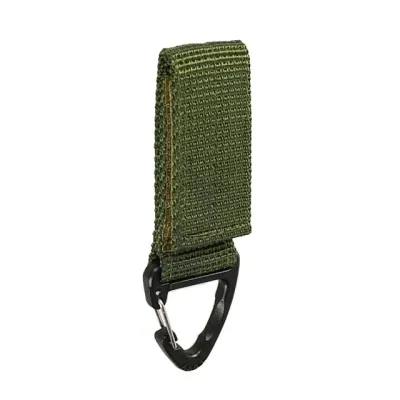
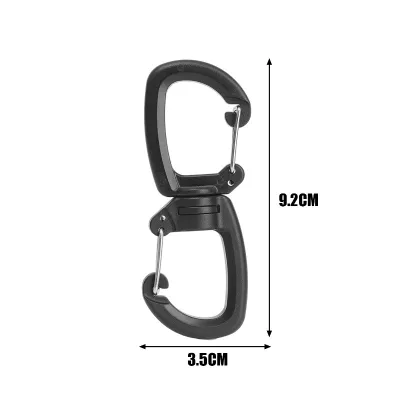
Prices are valid at publication and may change. Please refer to the product page for the latest price.
Different types of climbing gear must meet specific European Norm (EN) and UIAA standards. When examining XZ Outdoor gear, look for these exact standard numbers:
- Climbing Harnesses (EN 12277 / UIAA 105): This standard defines the safety requirements and testing methods for harnesses. It categorizes harnesses into four types: Type A (full-body harness), Type B (small-body or children's full-body harness), Type C (sit harness, which is the most common type for recreational climbers), and Type D (chest harness). The testing ensures that the tie-in points and structural webbing can withstand a minimum static tensile force of 15 kilonewtons (kN) for a sit harness before failure.
- Dynamic Ropes (EN 892 / UIAA 101): Dynamic ropes are engineered to stretch and absorb the energy of a lead fall. The standard regulates single, half, and twin ropes, testing their impact force, number of held falls, dynamic elongation, and sheath slippage. For a single rope, the first-fall impact force must not exceed 12 kN, and the rope must hold at least five consecutive factor 1.77 falls without breaking.
- Carabiners and Connectors (EN 12275 / UIAA 121): This standard governs connectors used in mountaineering and climbing. It classifies carabiners into various types, such as Type B (basic), Type H (HMS/belaying), and Type K (via ferrata). The standard mandates minimum breaking strengths: a basic carabiner must withstand at least 20 kN along its major axis with the gate closed, 7 kN along its minor axis, and 7 kN with the gate open.
- Climbing Helmets (EN 12492 / UIAA 106): Helmets are tested for impact energy absorption from falling objects, lateral impacts (front, side, and rear), penetration resistance, and the strength of the chin strap system. The chin strap must remain secure under a force of 500 Newtons (N) to ensure the helmet stays on your head during a fall.
Never rely on generic marketing terms such as “high-strength,” “heavy-duty,” “aircraft-grade,” or “military-tested.” These descriptors are not safety certifications. For high-consequence activities, only verified, standardized certification marks provide the necessary assurance that the gear has been engineered to prevent catastrophic failure under load.
How to Verify Safety Marks on XZ Outdoor Gear
Verifying the safety certifications on your XZ Outdoor gear requires a systematic, hands-on approach. Do not assume that a product is certified simply because the online listing claims it is. You must physically inspect the gear and cross-reference the manufacturer’s claims with official databases.

First, perform a physical inspection of the product labels and tags. A certified climbing harness will feature a permanently attached, sewn-in fabric label. This label must display the CE mark followed by a four-digit identification number (which identifies the notified body responsible for production quality control), the UIAA logo, the specific EN standard number (such as EN 12277), and the manufacturer’s batch or serial number. On metal hardware like carabiners, belay devices, and ascenders, these markings are typically laser-etched or stamped directly into the metal spine. Ensure the markings are clear, legible, and include the rated strengths in kilonewtons (kN) for major axis, minor axis, and open-gate configurations.
Second, examine the user manual. Every certified piece of climbing gear must be accompanied by a comprehensive user manual. This document should clearly state the certification body, the specific standards met, instructions for correct use, maintenance guidelines, and retirement criteria. If the gear arrives in a plain plastic bag without a detailed, multi-language instruction manual, this is a major warning sign.
Third, cross-reference the certification claims online. The most reliable way to verify a safety label is to search the official UIAA certified equipment database. This public registry allows you to search by brand name or product category. If a brand claims UIAA certification but does not appear in this database, the certification is likely counterfeit or expired. You can also check the official website of the notified body listed next to the CE mark to verify their certification records.
Be highly suspicious of common red flags. These include missing standard numbers, misspelled words on labels, poorly printed or blurry logos, or vague safety claims like “tested to international standards” without naming the specific EN or UIAA code. If a product listing on an online marketplace lacks clear photos of the physical certification tags, treat it as uncertified until you can physically verify the markings yourself.
What to Do If Certifications Are Missing or Unclear
If you cannot verify the CE or UIAA certification of any load-bearing or life-safety equipment from XZ Outdoor, you must establish a strict stop-use condition. Do not use this gear for any climbing application where a failure could result in injury or death. Investing S$100 in a certified harness or carabiner is a minor cost compared to the priceless value of your safety.
Using uncertified gear for high-consequence activities like lead climbing, multi-pitch routes, top-roping, or rappelling introduces unacceptable risks. Uncertified gear may fail at forces far below typical climbing loads, or it may degrade rapidly under UV exposure, abrasion, or moisture. In climbing, there is no margin for error; a single gear failure can be fatal.
If you have purchased or acquired XZ Outdoor gear that lacks verifiable life-safety certifications, restrict its use entirely to non-life-threatening, non-load-bearing scenarios. For example, uncertified carabiners can be used as accessory clips for holding chalk bags, water bottles, or organizing gear on your harness, provided they are clearly marked to prevent accidental use in a safety system. Uncertified webbing or cord can be used for non-climbing utility purposes around a campsite, such as hanging a clothesline or securing gear in a vehicle.
Never use uncertified gear for ground-level training where a fall could still cause injury, such as low-level slacklining or anchor-building practice where a system failure could drop a climber onto rocks. Equipment cannot replace proper training and judgment, and using uncertified gear is a fundamental failure of safety judgment.
Essential Physical Inspections Beyond Certifications
Certifications only guarantee that the gear met safety standards when it left the factory. They do not account for wear, tear, environmental degradation, or improper storage. Regular pre-use and post-use physical inspections are critical to ensuring your gear remains safe over time.
Establish a strict visual and tactile inspection routine before every climbing session:
- Webbing and Stitching: Run your fingers along all load-bearing webbing on harnesses, slings, and quickdraws. Feel for stiff spots, soft spots, cuts, abrasions, or chemical burns. Inspect the structural stitching (usually sewn in a contrasting thread color) to ensure no threads are loose, frayed, or cut.
- Metal Hardware: Inspect carabiners, belay devices, and ascenders for cracks, deep grooves from rope friction, corrosion, or sharp edges. Check the gate action of carabiners; the gate must open smoothly and snap shut completely under spring tension without sticking.
- Ropes: Flake the entire length of the rope, feeling for core shots (mushy or flat spots where the inner core is damaged), stiff sections, or severe sheath abrasion.
In Singapore’s humid tropical climate, gear storage requires extra care. High humidity can promote mold growth on nylon webbing and accelerate the corrosion of metal components. Always store your gear in a cool, dry, well-ventilated place away from direct sunlight, moisture, and household chemicals (such as battery acid, bleach, or solvents), which can degrade synthetic fibers without leaving visible signs of damage.
Establish clear retirement criteria based on manufacturer guidelines. Retire soft goods (harnesses, slings, ropes) after a major fall, exposure to harmful chemicals, visible damage, or when they reach the manufacturer’s maximum lifespan (typically 5 to 10 years from the manufacture date, even if unused). Retire metal gear if it shows cracks, excessive wear (more than 10% of the metal thickness worn away), or if the gate mechanism fails to function perfectly. No initial certification can compensate for damaged, degraded, or improperly maintained climbing gear.
Frequently Asked Questions (FAQ)
Is it safe to use uncertified XZ Outdoor gear for indoor bouldering?
Bouldering does not typically require ropes, harnesses, or carabiners, as climbers fall onto thick safety mats. However, if you are using any personal gear—such as rental harnesses for auto-belays or climbing shoes—ensure they meet safety standards. For any load-bearing gear used in a gym, gyms in Singapore and globally have strict equipment policies. Always consult the specific climbing gym’s safety rules and insurance requirements before using personal gear. Never use uncertified gear for any activity where a fall is arrested by equipment.
What if the certification label on my climbing harness fades or falls off?
If the physical certification label on your harness becomes illegible or falls off, you must take immediate steps to verify its safety. Check your original purchase records, receipts, or the product manual to find the exact model and batch number. If you can definitively confirm the harness’s origin, age, and certification status, and it shows no physical wear, it may still be safe to use. However, if you cannot verify its history, age, or certification status, you must retire the harness immediately. Your life depends on the integrity of your gear, and uncertainty is a clear signal to replace it.

Community discussion
Share your experience or ask a question. Comments are reviewed before publication.