
When shopping for everlast boxing gear, the ounce (oz) rating is the most critical specification you will encounter. It determines the level of protection for your hands and your training partners. Choosing the right weight depends on your body weight, training goals, and gym rules. To train safely and effectively, you must match the glove weight to your specific body weight, training goals, and the rules of your gym.
What Does "Ounce" (oz) Actually Mean for Boxing Gloves?
Many beginners assume that the ounce rating of a boxing glove refers to the physical hand size or the overall dimensions of the glove. In reality, the “oz” rating represents the weight of the internal padding—primarily the protective foam layers layered over the knuckles. While a 16oz glove is physically larger than an 8oz glove to accommodate the extra padding, the physical hand compartment inside is often relatively similar, designed to fit an adult hand snugly when wrapped.
A higher ounce rating means more foam volume, which translates directly to greater shock absorption and impact diffusion. When you punch a target, the energy of the impact is distributed through the foam layers. More padding slows down the deceleration of your hand upon impact, reducing the peak force transmitted back into your knuckles, wrist, and forearm, as well as into your opponent. Consequently, the ounce rating dictates the glove’s primary function, serving as a balance between hand protection, joint preservation, and punching speed.
Products mentioned in this guide
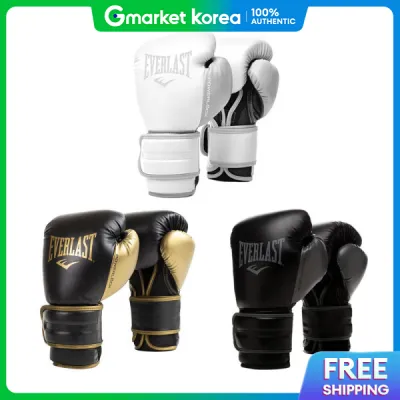
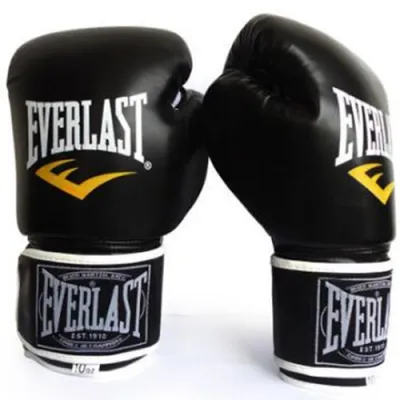
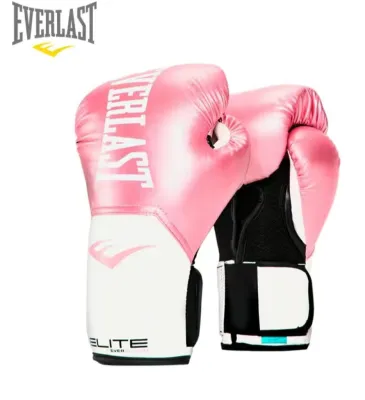
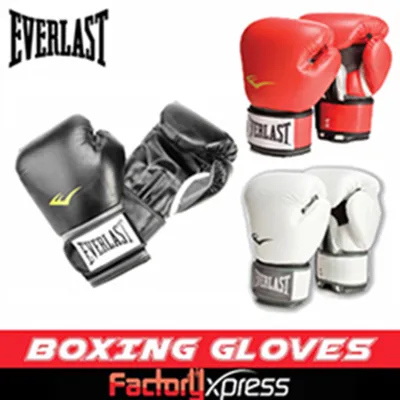
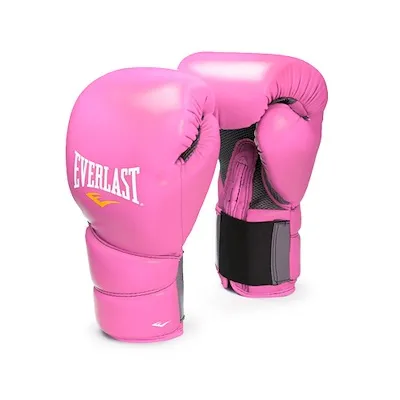
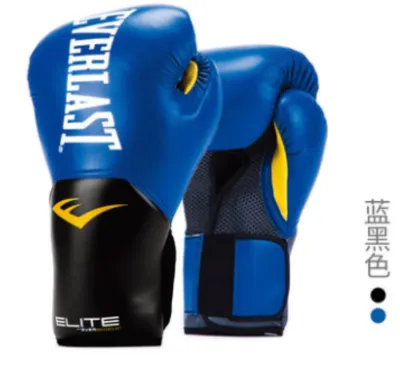
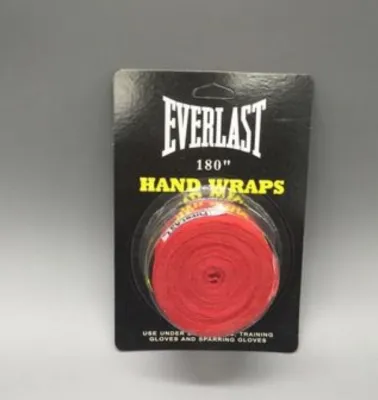
Prices are valid at publication and may change. Please refer to the product page for the latest price.
Breaking Down Everlast Glove Weights: 8oz to 16oz
Everlast designs its glove lineup across standard weight increments—ranging from 8oz to 16oz—to serve different phases of a boxer’s journey, from high-speed professional bouts to heavy, protective sparring. Each weight increment serves a distinct purpose, and using the wrong glove for the wrong activity can compromise safety.

8oz and 10oz: Competition and Precision Work
The lightest adult gloves, specifically 8oz and 10oz, are designed for speed, precision, and competitive performance. An 8oz glove is typically reserved for professional competition, particularly in lighter weight classes, as well as for youth boxers whose smaller frames require lighter gear. The 10oz glove is the standard weight for amateur bouts, light bag work, and precision pad drills with a coach.
Because these gloves contain minimal padding, they offer high tactile feedback, allowing you to feel exactly how your knuckles align upon impact. This makes them excellent for sharpening technique and developing rapid hand speed. However, this lack of padding means they do not absorb enough shock to protect a training partner. You must never use 8oz or 10oz gloves for partner sparring, as doing so poses a severe risk of facial cuts, concussions, and hand fractures to both you and your partner.
12oz: The Versatile All-Rounder for Pad and Bag Work
The 12oz glove is widely considered the most versatile weight for general training, conditioning, and fitness boxing. It is the go-to choice for adult beginners and intermediate boxers who focus primarily on heavy bag workouts, focus mitt drills, and cardiovascular fitness classes.
At 12oz, the glove provides a balanced middle ground. It offers sufficient knuckle protection to shield your hands from the repetitive, hard impacts of a heavy sand-filled bag, while remaining light enough to prevent early shoulder fatigue during high-volume combination drills. For many adults weighing under 65kg, the 12oz glove serves as an excellent single-glove solution for all non-contact training. However, like its lighter counterparts, a 12oz glove still lacks the density required for safe, full-contact sparring.
14oz and 16oz: Maximum Protection for Sparring
When you transition to partner work and sparring, hand and partner safety become the absolute priorities. This is where 14oz and 16oz gloves are mandatory. The substantial padding in these heavier weights is designed specifically to cushion blows, protecting your partner’s face and head from heavy impacts while shielding your own hands and wrists during defensive blocks.
A 16oz glove is the universal safety standard for adult sparring in most reputable boxing gyms. The extra weight also acts as an excellent conditioning tool, forcing your shoulder muscles to work harder to keep your hands up, which builds crucial endurance for real bouts. A 14oz glove is sometimes permitted for lighter-weight boxers (typically under 60kg) during controlled, technical sparring sessions. However, equipment cannot replace proper control, defensive technique, and training judgment. If you are sparring, you must prioritize controlled placement over raw power, regardless of how much padding your gloves have.
How to Match Everlast Boxing Glove Weight to Your Body Weight
To select the correct specification, you must evaluate both your body weight and your primary training activity. Heavier individuals generate more kinetic energy and require thicker padding to prevent bottoming out the foam during impact.
Below is a conditional reference guide to help you match your weight and goals to the correct Everlast glove specification:
| Body Weight (kg) | Primary Activity | Recommended Glove Weight (oz) |
|---|---|---|
| Under 60 kg | Bag Work & Focus Mitts | 10 oz – 12 oz |
| Under 60 kg | Partner Sparring | 14 oz |
| 60 kg to 80 kg | Bag Work & Focus Mitts | 12 oz |
| 60 kg to 80 kg | Partner Sparring | 16 oz |
| Over 80 kg | Bag Work & Focus Mitts | 14 oz |
| Over 80 kg | Partner Sparring | 16 oz |
While this table provides a standard framework, you must always verify your specific gym’s sparring rules. Many facilities, including major boxing and combat sports gyms in Singapore, enforce a strict, universal 16oz glove requirement for all adult sparring sessions, regardless of the boxer’s weight. This baseline safety rule ensures a consistent level of protection across all members. If you plan to participate in sparring, check with your coach before purchasing your gear.
Essential Fit and Safety Checks Beyond the Ounce Rating
Selecting the correct ounce rating is only the first step; the glove must also fit your hand anatomy correctly to provide real protection. A glove with the perfect weight rating can still cause injuries if it does not secure your hand properly.
When trying on Everlast gloves, perform these essential safety and fit checks:
- Wrist Support Mechanisms: Everlast gloves generally come in hook-and-loop (Velcro) or lace-up designs. Hook-and-loop closures offer convenience and are highly suited for quick transitions in fast-paced fitness classes. However, lace-up gloves provide superior, customized wrist alignment and stability, though they require a partner to tie them. Ensure the strap wraps tightly around your wrist joint, preventing any bending or flexing upon impact.
- Thumb Alignment and Lock: Ensure the glove features a fully attached or locked thumb. This design element prevents the thumb from flaring outward, reducing the risk of jamming your thumb or accidentally poking your sparring partner in the eye.
- Hand Cage and Wrap Space: Always test your gloves while wearing hand wraps. A proper hand wrap is non-negotiable for protecting the small bones in your hand. If the glove feels tight or cuts off circulation when wrapped, or if it is so loose that your hand slides around inside, the internal hand cage dimensions do not match your anatomy. If the fit compromises your wrist alignment, do not use the gloves, regardless of whether the ounce rating is correct.
- Climate Maintenance: In hot and humid climates like Singapore, moisture buildup inside the glove can degrade the internal foam padding over time, reducing its protective capacity. Always dry your gloves thoroughly in a well-ventilated area away from direct sunlight after every session.
Frequently Asked Questions (FAQ)
Can I use 16oz gloves for heavy bag training?
Yes, you can use 16oz gloves for heavy bag training. Doing so is an excellent way to build shoulder strength and endurance, as the extra weight forces your muscles to work harder. However, the thick padding will reduce the tactile feedback you receive, making it harder to feel if your knuckles are landing perfectly flat.
Do heavier gloves make you punch harder?
No, heavier gloves do not make you punch harder. Because heavier gloves contain more protective padding, they absorb more of the kinetic energy upon impact, which actually reduces the force transferred to the target. They are designed for joint protection, partner safety, and conditioning, not for increasing impact force.

Community discussion
Share your experience or ask a question. Comments are reviewed before publication.