
Selecting the right exercise floor mat is a balancing act between joint protection and physical stability. The ideal thickness for your mat depends entirely on the impact level, movement speed, and balance requirements of your specific workout routine. While a thick, plush mat feels comfortable under your knees, it can compromise your balance during standing poses. Conversely, a thin mat offers excellent stability but can leave your joints aching after floor exercises on hard surfaces.
Understanding how different thicknesses interact with your body and your flooring is the first step toward a safer, more effective workout. Whether you are practicing yoga, rolling through a Pilates sequence, or jumping through a high-intensity interval training (HIIT) circuit, matching your mat to your movement style prevents unnecessary strain and helps you maintain proper form.
Why Mat Thickness Matters for Your Joints and Stability
The core function of an exercise floor mat is to manage the relationship between your body and the hard ground. This involves a direct trade-off between cushioning and ground feedback. Cushioning absorbs impact forces and distributes your body weight across a larger surface area, which protects sensitive pressure points like your knees, elbows, hips, and spine. Ground feedback, or proprioception, is your body’s ability to sense the floor beneath you, which is crucial for maintaining balance and alignment.
Products mentioned in this guide
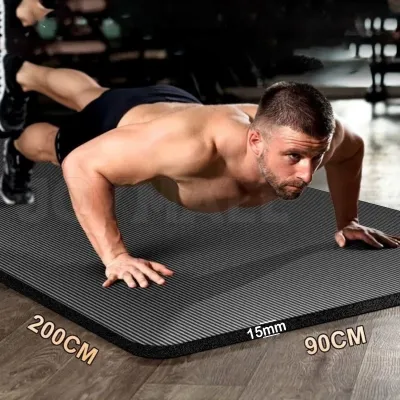
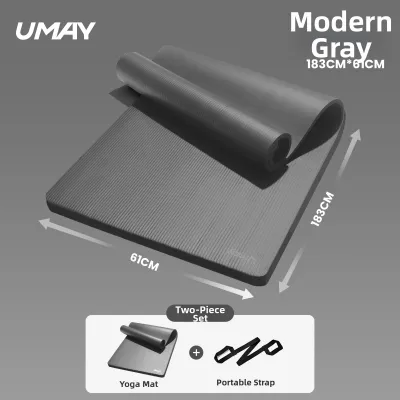
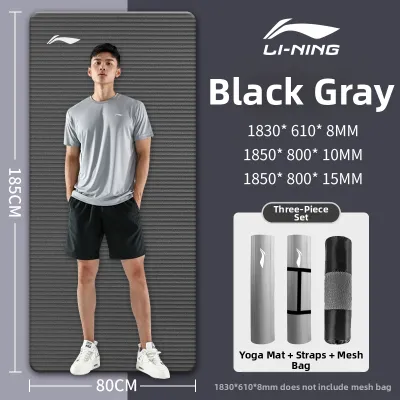
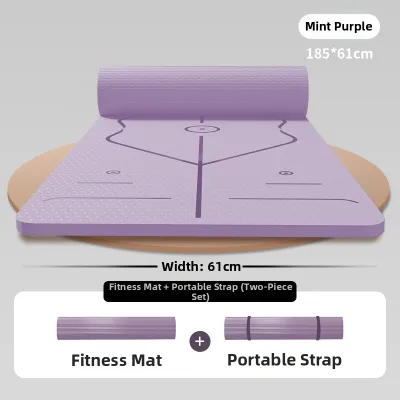
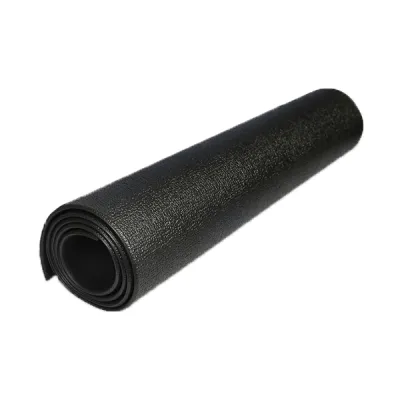
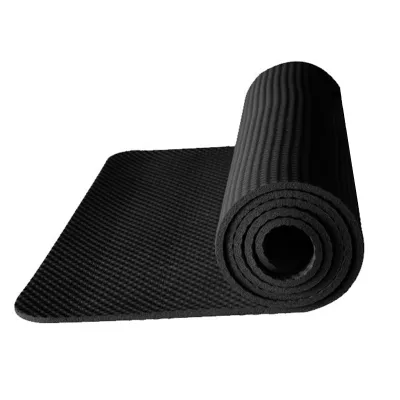
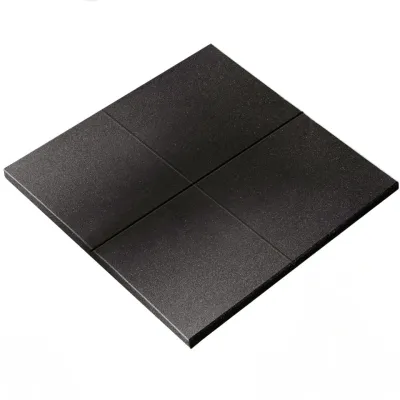
![[READY STOCK] Puzzle Exercise Workout Mat EVA Foam Interlocking Tiles 10mm 30cmx30cm thickness for Gym MMA Home Workshops Basement Fitness Room Outdoor Area](https://img.lazcdn.com/g/p/f86f575e212ad0b71e634ae518df0acf.jpg_400x400q80.jpg_.webp)
Prices are valid at publication and may change. Please refer to the product page for the latest price.
When you use a mat that is too thick and soft for standing exercises, your feet sink into the material. This compression forces the small stabilizing muscles in your ankles and feet to work overtime to keep you upright. Over time, this instability can lead to muscle fatigue, poor alignment, and an increased risk of ankle rolls or joint strain.
On the other hand, using a mat that is too thin for high-impact or floor-based workouts leads to “bottoming out.” This occurs when the force of your movement completely compresses the mat, leaving your joints to absorb the impact directly against the hard subfloor. For those exercising on hard tile, concrete, or vinyl floors, this lack of protection can cause immediate discomfort and long-term joint wear.
Matching Mat Thickness to Your Exercise Routine
To find the right balance, it helps to categorize mats into three general thickness ranges: thin or travel mats (1mm to 3mm), standard mats (4mm to 6mm), and thick or extra-thick mats (8mm to 15mm or more). Rather than relying solely on generic product labels, always check the manufacturer’s technical specifications for the exact millimeter measurement.

If your fitness routine incorporates multiple disciplines—such as a mix of dynamic cardio and slow, balance-focused stretching—you may need to prioritize the mat thickness that supports your most frequent activity. Alternatively, investing in two specialized mats can prevent you from compromising your safety and performance in either discipline.
Yoga and Balance-Focused Workouts
Yoga and balance training require a high degree of stability and a strong connection to the ground. For these activities, a thinner, firmer mat measuring between 3mm and 5mm is generally the standard choice. This thickness provides just enough barrier to take the edge off a hard floor while allowing your hands and feet to remain firmly rooted.
A firm surface is essential for proprioception. When performing poses like the Tree Pose or Warrior III, your brain relies on immediate sensory feedback from your feet to make micro-adjustments to your posture. A dense, thin mat ensures that your foundation remains stable, preventing your ankles from wobbling and keeping your joints properly aligned.
However, there are exceptions where a slightly thicker mat is beneficial. If you primarily practice restorative yoga, yin yoga, or have highly sensitive joints, a 6mm mat offers a comfortable middle ground. When choosing a thinner mat, verify the material density and surface grip on the product label; high-density materials like natural rubber provide excellent joint support and slip resistance even at a lower thickness.
Pilates and Core Floor Exercises
Pilates and core-focused floor workouts involve a significant amount of rolling, supine, and side-lying movements. Exercises like the “rolling like a ball” or the “hundred” place direct pressure on your spine, tailbone, and hip bones. To protect these sensitive areas from bruising against a hard floor, a thicker mat measuring between 8mm and 15mm is highly recommended.
Adequate cushioning is vital for spinal comfort during repetitive rolling movements. A thin yoga mat is rarely sufficient for Pilates, as it does not provide enough shock absorption to prevent the vertebrae from knocking against the floor. The extra thickness of a dedicated Pilates mat acts as a protective barrier, allowing you to focus on core engagement rather than physical discomfort.
While cushioning is important, extreme thickness can sometimes hinder your movement. A mat that is too soft or exceeds 15mm may make it difficult to maintain precise limb placement or integrate your mat work with other Pilates accessories like resistance rings or bands. When shopping, check the mat’s recovery rate—the speed at which the foam springs back after being compressed—to ensure it offers continuous support without leaving deep, permanent indentations.
HIIT, Cardio, and High-Impact Training
High-intensity interval training (HIIT), plyometrics, and cardio workouts subject your body to repetitive, high-impact forces. Every jump squat, burpee, and lunging movement sends shockwaves through your ankles, knees, and lower back. To mitigate this impact, look for specialized fitness mats or high-density utility mats that are at least 8mm to 12mm thick.
Standard yoga mats are not designed to withstand the lateral forces and high-velocity movements of cardio training. They can easily stretch, tear, or slide across the floor when subjected to rapid footwork, creating a serious tripping hazard. Furthermore, thin mats do not offer enough shock absorption to protect your joints from the cumulative stress of jumping exercises.
When selecting a mat for high-impact workouts, thickness must be paired with durability. Verify that the mat features a closed-cell structure and a textured, non-slip surface. Closed-cell foam prevents sweat from soaking into the mat—a crucial feature for maintaining hygiene and preventing odors in humid environments. Additionally, ensure the mat is rated for use with athletic shoes, as many soft foam mats will quickly degrade under shoe friction.
Key Factors Beyond Thickness to Verify Before Buying
While thickness is a primary consideration, it does not work in isolation. Several secondary specifications interact with thickness to determine how a mat performs during your workouts. Before making a purchase, verify these key factors to ensure the mat meets your practical needs.
First, evaluate the material density. A thin mat made from a high-density material, such as natural rubber or dense polyurethane, can actually offer more effective joint support and comfort compared to a thick mat made from cheap, low-density foam. Low-density mats compress completely under pressure, offering very little actual protection despite their visual thickness. Always look for terms like “high-density” or check user feedback regarding the mat’s firmness.
Second, consider the surface texture and grip. As a mat gets thicker, your center of gravity can shift slightly, making slip resistance even more critical for safety. Look for mats with textured patterns or specialized non-slip coatings that maintain their grip even when wet with sweat. This is particularly important if you exercise in warm, humid climates where moisture buildup is common.
Finally, assess the mat’s size, weight, and portability. Thicker mats are naturally heavier and bulkier than their thinner counterparts. If you plan to carry your mat to a local fitness studio or use it in a shared space, a thick 15mm mat can be incredibly cumbersome to roll up, secure, and transport on public transit. Verify the rolled dimensions and weight against your storage and carrying capabilities before buying.
Decision Framework: Which Thickness Should You Choose?
To finalize your decision, match your primary fitness activities to the following conditional framework:
Choose a thin, firm mat (1mm to 3mm) if your routine consists of travel-based workouts, hot yoga, or advanced balance practices where ground feedback is your highest priority. These mats are highly portable and offer the most stable foundation for standing poses.
Choose a standard, medium mat (4mm to 6mm) if you practice a diverse mix of gentle yoga, light floor exercises, and general stretching. This range offers a versatile balance of moderate cushioning and reliable stability for multi-purpose home workouts.
Choose a thick, high-density mat (8mm to 15mm) if your focus is Pilates, core floor work, HIIT, or if you require significant joint protection on hard tile or concrete floors. These mats prioritize shock absorption and spinal comfort over portability.
Before purchasing, verify if you plan to use the mat with specific fitness equipment, on uneven outdoor surfaces, or in a shared studio space with strict size limits. Taking these practical constraints into account ensures you select a mat that fits both your body and your workout environment.
Frequently Asked Questions (FAQ)
Can I use a thick exercise mat for yoga if I have bad knees?
Using a very thick, squishy mat for yoga can make standing balance poses difficult and potentially strain your ankles. If you have sensitive knees but still want to practice yoga, look for a medium-thickness (6mm) mat made from high-density natural rubber, which offers firm support without excessive sinking. Alternatively, you can use a standard 4mm mat for overall stability and place a localized knee pad or a folded towel under your knees specifically during kneeling poses.
How do I clean and maintain a thick foam exercise mat?
Always check the manufacturer’s care label before applying any cleaning solutions to your mat. Thicker mats, especially those made from open-cell foam, can absorb moisture easily and take a long time to dry. To clean, wipe the surface with a damp cloth and a mild, diluted soap solution, then allow it to air dry completely in a well-ventilated area away from direct sunlight. Avoid using harsh chemicals, bleach, or abrasive brushes, as these can break down the foam structure and ruin the surface grip.

Community discussion
Share your experience or ask a question. Comments are reviewed before publication.