
Evaluating how an F1 tumbler compares to other popular insulated bottles in Singapore requires looking past the sleek motorsport branding and examining the core engineering of vacuum insulation. In Singapore’s year-round tropical heat, a reliable tumbler is more than a lifestyle accessory; it is a necessity for keeping hydration cold during outdoor workouts, daily commutes, and weekend sports. While official merchandise like an F1 tumbler offers high aesthetic appeal for racing enthusiasts, its actual thermal performance depends on the same physical principles and material standards that govern specialized outdoor flasks. By understanding how to verify these specifications, you can determine whether an F1 tumbler delivers the insulation value you need or if alternative sports bottles are better suited for your daily routine.
Core Insulation Technologies to Verify
To understand how any insulated bottle performs, you must first look at its structural construction. The vast majority of modern thermal tumblers utilize double-wall vacuum insulation. This design features an inner and outer wall, typically made of stainless steel, with the air evacuated from the space between them. Because a vacuum contains no air molecules, it prevents heat transfer via conduction and convection, leaving radiation as the only path for thermal exchange. Some premium or specialized bottles introduce a triple-wall structure or add a copper lining to the vacuum-facing side of the inner wall. This copper layer acts as a reflective barrier, further reducing radiative heat transfer and helping to maintain the internal temperature for longer periods.
The grade of stainless steel used in the construction is another critical factor for durability and taste preservation. Most high-quality insulated bottles are crafted from food-grade 304 stainless steel (often labeled as 18/8, representing 18% chromium and 8% nickel). This material provides excellent rust resistance and structural integrity. However, some premium sports bottles utilize marine-grade 316 stainless steel, which contains molybdenum for superior resistance to pitting and corrosion, particularly from acidic beverages or salty sweat during outdoor activities. When evaluating an F1 tumbler against other popular brands, checking the specified steel grade will give you a clear indication of its long-term resistance to metallic tastes and structural wear.
Products mentioned in this guide
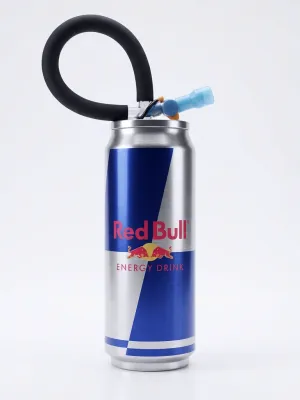
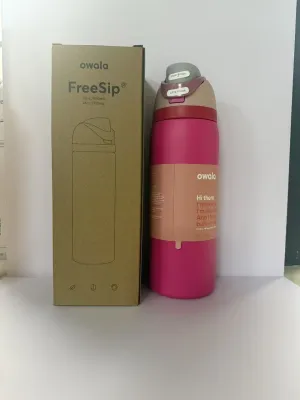
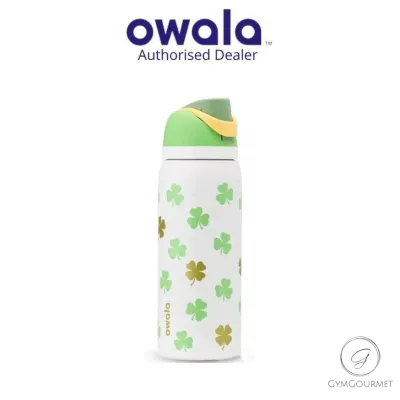
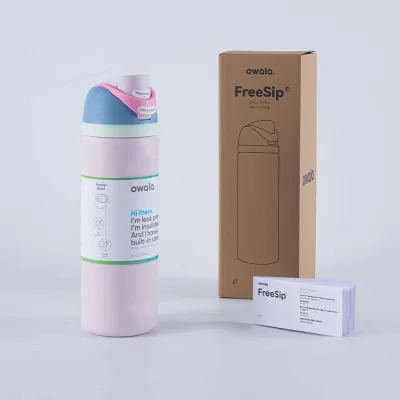
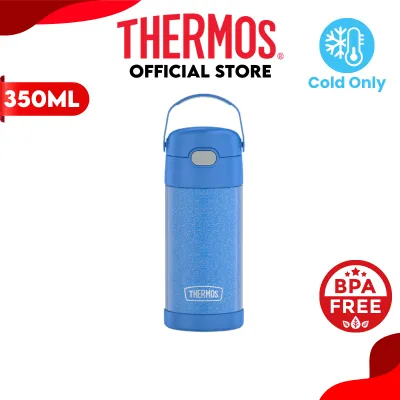
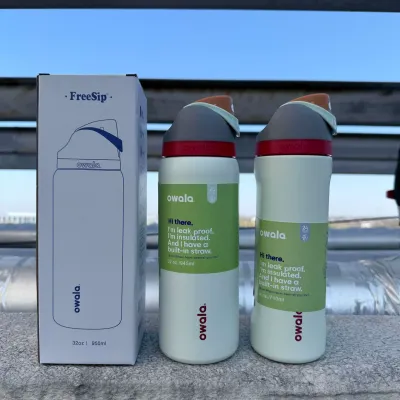
Prices are valid at publication and may change. Please refer to the product page for the latest price.
Even the most advanced vacuum chamber cannot compensate for a poorly designed lid. The lid is the primary point of thermal escape because it cannot be vacuum-insulated in the same manner as the metal body. High-performing tumblers rely on thick, food-grade silicone gaskets to create an airtight seal against the rim. Threaded lids generally offer a more secure seal and better thermal retention than press-fit lids, as they compress the gasket more evenly. When comparing options, inspect the lid mechanism: a lid with minimal exposed plastic, robust sealing rings, and a secure locking closure will prevent both liquid leaks and the micro-drafts that allow warm air to enter the flask.
Comparing Heat and Cold Retention Claims
When shopping for insulated drinkware in Singapore, you will frequently encounter bold claims of “24 hours cold” or “12 hours hot.” To make an objective comparison, you must look beyond these marketing headlines and understand the baseline testing conditions that manufacturers use to establish these numbers. Standardized thermal testing typically occurs in a temperature-controlled laboratory, often at a stable ambient room temperature of around 20°C to 22°C. The test begins with water at an extreme temperature—such as ice water at 0°C or boiling water at 95°C—and measures how long it takes for the liquid to reach a specific threshold. Because these controlled environments do not reflect real-world usage, a claim of 24 hours cold may translate to a shorter duration when exposed to actual outdoor conditions.

The physical volume of the tumbler also plays a massive role in how long it can maintain its temperature. A larger volume of liquid possesses greater thermal mass, meaning it contains more thermal energy and is more resistant to temperature changes than a smaller volume. Consequently, a 1-litre tumbler will naturally retain cold or heat longer than a 500-millilitre tumbler of identical construction. Furthermore, the ratio of liquid to air space inside the bottle changes as you drink. The air pocket (headspace) that remains inside a half-empty tumbler allows for faster heat exchange. When comparing an F1 tumbler to other brands, ensure you are comparing models of the same capacity and taking into account how quickly you plan to consume the contents.
To verify these claims without relying on unverified marketing promises, always check the product’s official specification sheets or packaging labels for standardized testing metrics. Look for references to recognized testing standards or detailed temperature-over-time charts. If a brand provides a detailed breakdown of the starting temperature, ambient temperature, and final temperature after a set number of hours, it demonstrates a level of engineering transparency that you can trust. Conversely, generic “all-day” promises without supporting data should be treated with caution, prompting you to inspect the physical build quality and seal integrity yourself.
Real-World Performance in a Tropical Climate
Translating laboratory metrics into practical expectations is especially important in Singapore’s distinct tropical climate. With average daily temperatures frequently exceeding 30°C and relative humidity levels often hovering above 80%, the thermal gradient between the inside of your tumbler and the outside environment is highly demanding. In these conditions, the frequency with which you open the lid becomes the single greatest factor in temperature loss. Every time you open the bottle to take a sip, a volume of warm, humid air enters the chamber, transferring heat directly to your cold beverage. For active sports or long commutes, a bottle with a quick-sip straw or a narrow spout lid will minimize this air exchange compared to a wide-mouth tumbler that exposes the entire liquid surface to the humid air.
Another common issue in high-humidity environments is external condensation, often referred to as “sweating.” While a properly functioning vacuum-insulated body should remain completely dry on the outside, condensation can still form on uninsulated components, such as plastic lids, metal collars, or exposed gaskets. If you carry your tumbler in a backpack alongside electronics or documents, this localized sweating can cause unexpected moisture damage. When comparing the F1 tumbler to other popular brands, observe where condensation forms during use. A well-designed lid with integrated insulation or a double-walled cap will minimize sweating, keeping your hands dry and your gear safe.
Additionally, you must consider the safety limits of the beverages you choose to carry. While vacuum tumblers are excellent for keeping water ice-cold, they require careful handling when used for other drinks. Carbonated beverages can build up significant pressure inside a sealed flask, potentially causing the lid to eject violently or leak when opened. Hot tea or coffee can remain at scalding temperatures for hours, posing a burn risk if consumed directly from a spout. Furthermore, dairy-based drinks or sugary sports beverages should not be kept in a warm tumbler for extended periods, as the sealed, dark environment can accelerate bacterial growth if the temperature rises into the danger zone. Always consult the manufacturer’s care guidelines to understand the specific beverage compatibility of your tumbler.
Making Your Final Tumbler Decision
Choosing between an F1 tumbler and other popular insulated bottles comes down to a clear assessment of your lifestyle, aesthetic preferences, and performance requirements. There is no single “best” bottle for every scenario, but a structured decision framework can help you identify the right fit for your daily routine.
Choose the F1 tumbler if you are a motorsport enthusiast who values official brand aesthetics and wants a stylish, recognizable accessory for daily office commutes, casual gym sessions, or watching races. If the tumbler’s capacity matches your typical daily hydration needs and its physical design fits comfortably in your hand or bag, the combination of solid double-wall insulation and unique styling makes it an appealing lifestyle choice.
Choose alternative brands if your primary focus is technical outdoor performance, specialized sports functionality, or extreme-condition durability. If you require highly specific lid configurations—such as heavy-duty carry loops, integrated carabiner clips, or high-flow sports spouts—or if you need ultra-lightweight construction for long-distance hiking, established outdoor brands may offer a wider range of specialized utility features tailored to active training.
Verify first before making your final purchase. Check the manufacturer’s warranty terms to see what components are covered against defects. Weigh the tumbler when empty and estimate its weight when fully filled with water to ensure it is comfortable to carry. Finally, review the cleaning instructions carefully; while some tumblers are dishwasher-safe, many vacuum-insulated bottles require hand-washing to protect the vacuum seal and preserve the external paint or printed graphics over time.
Frequently Asked Questions (FAQ)
Does the F1 tumbler fit in standard car cup holders?
To determine if a specific F1 tumbler model will fit in your vehicle’s cup holder, you should measure the base diameter of the tumbler and compare it to the dimensions of your car’s console. Standard vehicle cup holders typically accommodate bottles with a base diameter of up to 7.5 to 8 centimetres. Many commuter-focused tumblers feature a tapered design, with a narrow base that widens toward the top, specifically to ensure compatibility with standard car holders. However, larger capacity models (such as those exceeding 900 millilitres) often require a wider base for stability, which may not fit in standard holders. Balancing your need for high-volume hydration against your daily commuting setup is key to ensuring everyday portability.
Can I put hot coffee or carbonated drinks in the F1 tumbler?
Before filling your F1 tumbler with hot coffee or carbonated beverages, you must check the manufacturer’s care label and safety instructions. Carbonated drinks release carbon dioxide gas, which can build up high pressure inside an airtight, sealed vacuum flask, leading to leaks, lid damage, or sudden spraying when opened. For hot liquids like coffee or tea, ensure the lid is designed to handle steam pressure and that you do not fill the bottle to the very brim, as this can compromise the seal. Additionally, avoid leaving dairy-based coffees or sugary drinks in the tumbler for long periods, as any temperature rise can promote rapid bacterial spoilage and make the bottle difficult to clean.

Community discussion
Share your experience or ask a question. Comments are reviewed before publication.