
Choosing between natural feather and synthetic nylon shuttlecocks is one of the most consequential decisions you will make as a badminton player. Your choice directly impacts your budget, the lifespan of your equipment, and how your shots behave in the air. While natural feather shuttlecocks are the standard for competitive play, synthetic nylon alternatives offer remarkable durability for recreational sessions. Deciding which type to buy depends on your current skill level, how often you play, and your willingness to manage ongoing equipment costs.
Understanding the Physical and Flight Differences
To understand why these two types of shuttlecocks perform so differently, you must look at their physical construction. Natural feather shuttlecocks are crafted using real goose or duck feathers anchored into a solid cork base. The feathers are overlapping and bound together with thin thread and adhesive. Synthetic nylon shuttlecocks feature a single-piece molded plastic skirt designed to mimic the shape of natural feathers, attached to either a natural cork or synthetic foam base.
These structural differences dictate how the shuttlecocks behave once they leave your racket strings. Natural feathers are highly textured and flexible. When you smash or clear a feather shuttlecock, the skirt collapses slightly under high speed to reduce drag, then quickly expands as it slows down. This creates a distinct, steep flight trajectory: the shuttlecock flies fast initially but decelerates rapidly at the end of its path, dropping almost vertically. Nylon skirts, being more rigid and uniform, do not collapse or expand in the same manner. Consequently, nylon shuttlecocks fly with a flatter trajectory, maintaining their speed longer and traveling further before dropping.
Products mentioned in this guide
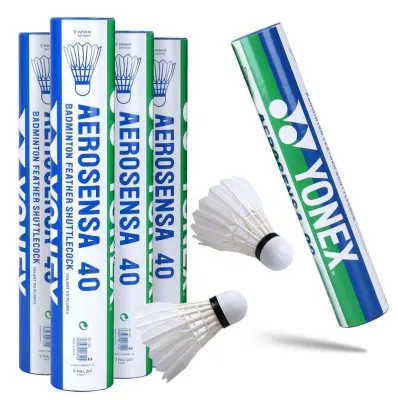
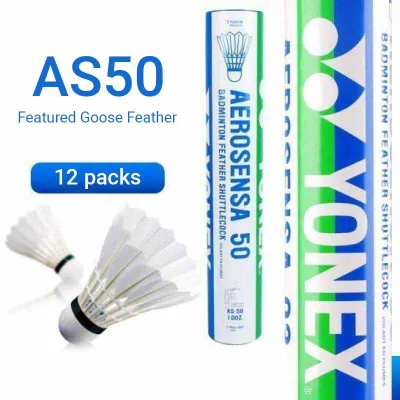
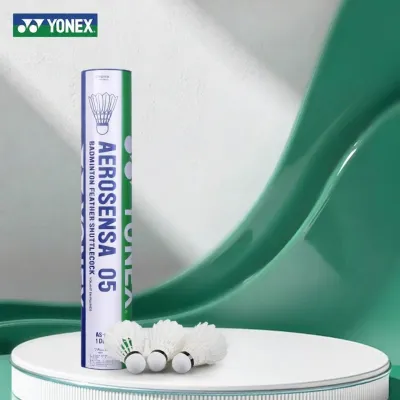
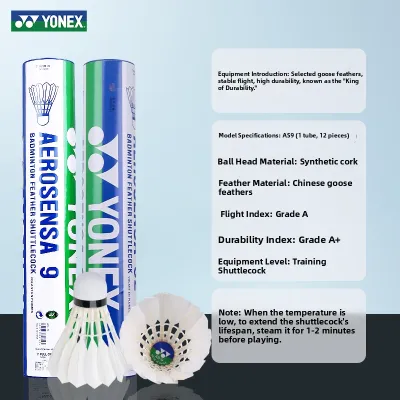
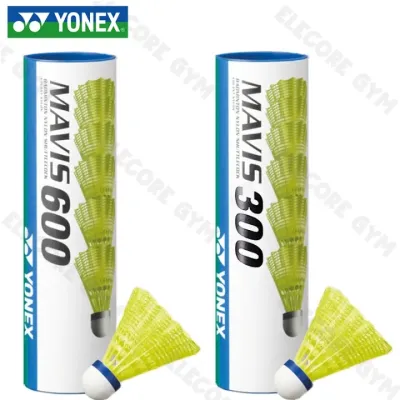
Prices are valid at publication and may change. Please refer to the product page for the latest price.
The physical sensation of hitting each type also varies. Striking a natural feather shuttlecock produces a crisp, satisfying sound and a clean transfer of energy to the racket frame. This gives you immediate tactile feedback on the quality of your stroke. Hitting a nylon shuttlecock feels slightly heavier and produces a duller, more muted sound. Because the synthetic skirt does not deform and recover like natural feathers, the initial speed off the stringbed can feel less explosive, requiring you to adjust your swing timing and power.
Matching the Shuttlecock to Your Skill Level
Your proficiency on the court should guide your choice of shuttlecock material, as each type supports different stages of skill development. For beginners and casual players, nylon shuttlecocks are highly practical. When you are still learning to coordinate your footwork and swing, off-center hits are common. A nylon skirt is incredibly forgiving; it can survive being struck by the racket frame repeatedly without losing its shape. This allows beginners to focus on basic stroke mechanics, consistent clearing, and footwork without the distraction of a ruined shuttlecock after every few rallies.

As you transition to an intermediate level, your training needs become more complex. Intermediate players begin to experiment with slice shots, net tumbles, and deceptive drops. While high-grade nylon shuttlecocks can facilitate basic spin, they cannot replicate the precise aerodynamic response of natural feathers. Transitioning to feather shuttlecocks allows you to develop a finer touch at the net. The natural texture of the feathers grips the air and the racket strings, enabling you to execute tight net spins and controlled drop shots that are difficult to master with a synthetic skirt.
For advanced and competitive players, natural feather shuttlecocks are virtually mandatory. High-level badminton relies on extreme precision, rapid defensive reactions, and predictable flight paths. Because official tournaments are played exclusively with feather shuttlecocks, training with nylon can hinder your ability to judge distances and timing. Advanced players require the steep deceleration of feathers to execute tight defensive lifts and precise baseline clears. The subtle variations in flight speed and spin control offered by natural feathers are essential for competitive strategy.
Evaluating Durability and Playing Frequency
Durability is the primary trade-off when choosing between natural and synthetic materials. Nylon shuttlecocks are engineered for long-term resilience. A single high-quality nylon shuttlecock can easily survive multiple intense games, and often several full sessions, before the skirt tears or warps enough to affect its flight. Even when the plastic skirt begins to show signs of wear, it remains usable for casual rallies and warm-ups. This makes nylon the ideal choice for high-frequency recreational players who want to focus on playing rather than managing equipment.
Natural feather shuttlecocks, by contrast, are highly fragile. A single clean smash that strikes the feathers instead of the cork base can snap a shaft, instantly ruining the shuttlecock’s flight stability. Even with perfect hits, the feathers gradually fray and lose their aerodynamic properties over the course of a single game. In dry environments, the natural oils in the feathers evaporate, making them brittle and prone to snapping. In Singapore, while the natural climate is humid, playing in air-conditioned indoor sports halls can dry out the feathers quickly, accelerating wear.
To maximize the lifespan of your shuttlecocks, proper storage and care are essential. For feather shuttlecocks, storing them in a humidified environment can significantly extend their usability. Many players use specialized humidifying tubes or gently apply steam to the inside of the storage tube before a session to restore moisture to the feathers. Nylon shuttlecocks require less maintenance but should still be stored away from direct sunlight and extreme heat, which can warp the plastic skirt and permanently alter its flight characteristics.
Calculating Budget and Cost-Per-Game Value
To understand the true financial impact of your choice, you must look beyond the initial retail price and calculate the cost-per-game value. While exact prices vary by retailer and location, a tube of synthetic nylon shuttlecocks generally represents a lower upfront investment, often costing between S$15 and S$30. In contrast, a tube of natural feather shuttlecocks typically ranges from S$35 to over S$60, depending on the grade of the feathers and the brand’s tournament certifications.
The real cost difference becomes apparent when you factor in consumption rates. During a typical two-hour session of intermediate play, a group can easily go through four to eight natural feather shuttlecocks as they fray and break. If you play multiple times a week, this consumption rate can translate into a significant monthly expense. Conversely, a single tube of nylon shuttlecocks can last a recreational group several weeks, resulting in a fraction of the ongoing cost.
For players on a budget, a hybrid approach is often the most cost-effective strategy. You can use durable nylon shuttlecocks for high-volume drills, physical conditioning, and casual warm-ups where flight precision is less critical. Save your premium feather shuttlecocks for competitive matches, tactical training, and games where net play and precise control are the primary focus. This approach allows you to develop your skills without facing prohibitive equipment costs.
Decision Framework: Which Type Should You Buy?
To finalize your purchase, evaluate your playing conditions against this clear, condition-based framework:
- Choose feather if: Your skill level is intermediate to advanced, you are actively training for competitive tournaments, you prioritize precise net control and realistic flight paths, and your monthly budget comfortably accommodates frequent equipment replacements.
- Choose nylon if: You are a beginner or casual recreational player, you play high-frequency games where durability is the top priority, you want to minimize ongoing equipment expenses, or you primarily play in informal outdoor settings where wind and rough surfaces would quickly destroy natural feathers.
- Verify first if: Your local club, social group, or league has specific rules regarding shuttlecock selection. Many organized groups pool resources to provide feather shuttlecocks, while others mandate nylon to keep guest fees low. Check these requirements before purchasing your own tubes.
Frequently Asked Questions (FAQ)
Can I use nylon shuttlecocks for official badminton tournaments?
Under the guidelines of the Badminton World Federation (BWF), sanctioned international tournaments are played exclusively with approved natural feather shuttlecocks to ensure the highest standard of flight precision and consistency. However, local amateur leagues, school competitions, and community tournaments may permit or even mandate the use of high-grade nylon shuttlecocks to manage costs and ensure a level playing field. Always check the specific tournament regulations or consult the event organizers to verify which material is required before you begin training.
How should I store feather shuttlecocks to prevent them from drying out?
To prevent natural feathers from becoming brittle, store the shuttlecock tubes in a cool, dark place away from direct sunlight and heat sources. If you frequently play in air-conditioned indoor halls, consider using a specialized shuttlecock humidifier or placing a lightly damp sponge at the bottom cap of the tube a few days before playing. This introduces subtle moisture into the sealed tube, keeping the feathers flexible and significantly reducing the likelihood of them snapping during high-impact smashes.

Community discussion
Share your experience or ask a question. Comments are reviewed before publication.