
Selecting the correct football size is a fundamental step in supporting a young child’s physical development, coordination, and long-term enjoyment of the sport. When children play with a ball that is too large or heavy, they are forced to alter their natural running and kicking mechanics, which can lead to early fatigue, frustration, and unnecessary strain on their developing joints. This guide provides a structured framework for evaluating size 3 footballs, understanding brand product tiers, and matching the ball’s specifications to the child’s specific playing environment in Singapore. By focusing on observable material qualities, construction methods, and practical playing conditions, parents can make an informed decision that supports their child’s early football journey without relying on unverified marketing claims.
Why Size 3 is the Standard for Young Beginners
Size 3 footballs are specifically engineered for children, typically between the ages of five and eight, or those under 125 centimeters in height. At this developmental stage, a child’s motor skills, balance, and muscle strength are still forming rapidly, requiring equipment that matches their physical scale. A standard size 3 ball features a circumference of approximately 58 to 61 centimeters and a weight range of 310 to 340 grams, making it significantly easier to control than adult-sized alternatives. The reduced weight minimizes the impact force on small feet and ankles, reducing the risk of joint strain during repetitive kicking drills. A smaller ball allows young players to practice proper kicking mechanics, such as striking the ball with the laces or using the inside of the foot, without having to compensate for an oversized object.
Parents can observe specific physical signals to determine when a child is ready to transition to a larger size 4 ball. If the child’s knee consistently rises far above the ball during a natural stride, or if they can easily manipulate the size 3 ball with high precision and power, it may be time to upgrade. Conversely, if the ball appears to dwarf the child’s foot or causes them to trip during basic dribbling, maintaining the size 3 format is highly recommended. Observing how the child interacts with the ball during active play provides the most reliable indicator of readiness, ensuring that the transition to larger equipment occurs only when their physical strength and coordination are sufficiently developed.
Products mentioned in this guide
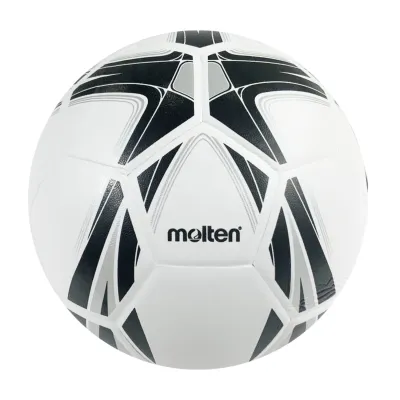
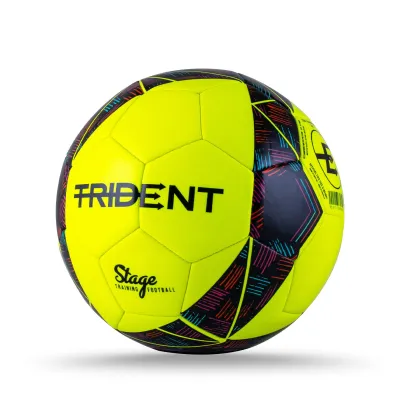
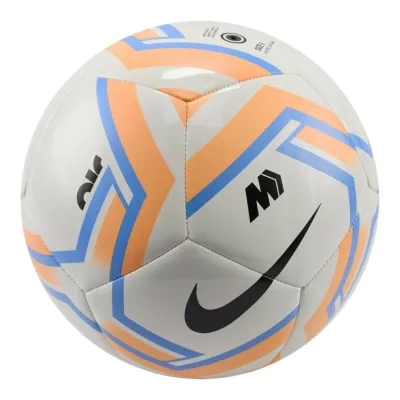
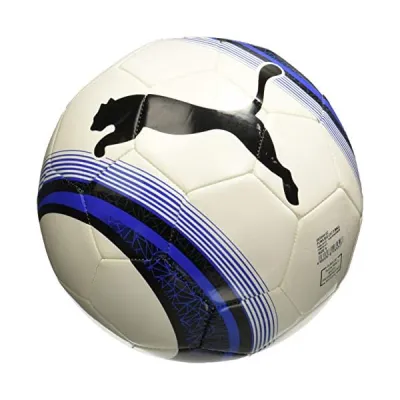
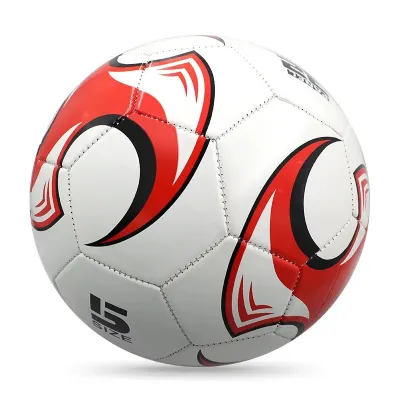
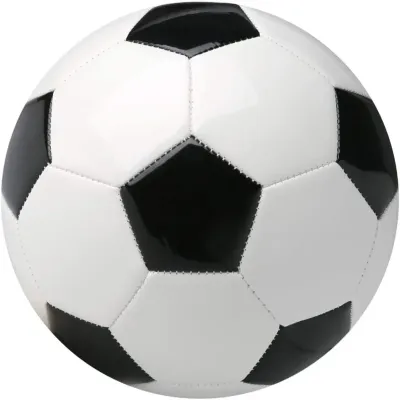
Prices are valid at publication and may change. Please refer to the product page for the latest price.
Core Specifications to Check Before Buying
When evaluating a size 3 football, the construction method of the outer casing is one of the most critical factors determining durability and performance. Thermally bonded footballs feature panels that are glued together using heat, creating a seamless surface that prevents water absorption. In Singapore’s humid climate and frequent tropical downpours, a thermally bonded ball is highly advantageous as it resists water logging, maintaining its original weight and flight characteristics even on wet grass. Machine-stitched balls are a common and cost-effective alternative, utilizing fine threads to hold the synthetic leather panels together. While machine-stitched options offer excellent flexibility and a softer touch, the exposed seams can absorb moisture over time, which may gradually degrade the internal stitching and increase the ball’s weight during wet play. Hand-stitched balls represent a traditional, highly durable construction method, offering deep seams that protect the thread from abrasive surfaces, though they are typically found in higher price tiers.

The internal bladder is another vital component, primarily available in either butyl or latex materials. Butyl bladders are highly recommended for recreational and training use because they offer superior air retention, often keeping the ball inflated for weeks without requiring top-ups. This is due to the high molecular density of butyl rubber, which prevents air molecules from slowly seeping through the material. Latex bladders, preferred for premium match balls, provide a highly responsive bounce and a softer feel, but they lose air pressure much faster and require inflation before almost every session because latex is a more porous material.
The outer material, usually made of Polyurethane (PU) or Polyvinyl Chloride (PVC), directly affects the ball’s tactile feedback and longevity. PU casings offer a premium, supple feel with excellent elasticity, making them ideal for developing a soft first touch and accurate passing. PVC casings are harder and more scratch-resistant, making them highly durable for rough play on abrasive surfaces, though they offer less grip and a firmer impact. Many modern youth footballs also feature textured outer surfaces, such as micro-dimples or embossed patterns, which help small hands grip the ball during throw-ins and provide better traction for small feet in damp conditions.
Understanding Brand Tiers and Product Lines
Navigating the offerings of major sports brands requires an understanding of how they categorize their football product lines. Most established brands divide their footballs into three distinct tiers: recreational, training, and match-grade. Recreational balls are designed for casual backyard play or park outings, often featuring lightweight PVC casings and basic machine stitching to keep costs accessible. Training balls are built for high-frequency use, incorporating durable PU casings, reinforced bladders, and robust stitching to withstand daily drills and repetitive impacts. Match-grade balls are engineered to meet strict performance standards, focusing on perfect sphericity, consistent bounce, and minimal water absorption, often utilizing thermal bonding and premium latex bladders.
Heritage football manufacturers, who specialize almost exclusively in ball production, often design youth-specific models with modified weights that are lighter than standard size 3 specifications to accommodate very young players. These specialized designs focus heavily on the ergonomics of youth play, ensuring that the ball’s flight and bounce characteristics scale down proportionally with the child’s physical capabilities. General sporting goods brands offer a wider variety of multi-sport equipment, meaning parents must carefully read the product specifications to ensure a particular ball is designed for football rather than general playground use. Rather than relying solely on brand reputation, parents should look for specific safety and quality indicators on the packaging or product description. Check for certifications from recognized sporting bodies, which verify that the ball has undergone testing for shape retention, weight consistency, and air pressure stability. Be aware that some brands offer “lightweight” variants of size 3 balls, which are specifically designed for younger children who may find a standard-weight ball too heavy for comfortable play.
Building Your Shortlist: Matching the Ball to the Playing Environment
The physical environment where your child will play most frequently should heavily influence your final selection. In Singapore, young players often practice on a variety of surfaces, including natural grass pitches, artificial turf, concrete void decks, and indoor sports halls. For natural grass and modern artificial turf, a PU-cased ball with thermal bonding or high-quality stitching provides the best balance of grip, flight consistency, and water resistance. If the primary playing area is a concrete void deck or a hard court, a standard PU ball will wear down rapidly due to the highly abrasive surface. For these hard surfaces, look for specialized street or hard-court footballs that feature durable PVC casings or reinforced rubber outers designed to resist scuffing and tearing.
Visibility is another practical consideration, especially during late afternoon sessions or under artificial floodlights. High-visibility colors, such as bright yellow, orange, or neon green, make it much easier for young children to track the ball’s movement in their peripheral vision, improving their reaction times and spatial awareness. When establishing a budget, consider the child’s commitment level and how often they play. A basic recreational size 3 ball can range from S$15 to S$30, which is ideal for occasional weekend play or casual family outings. For children enrolled in structured football academies or playing multiple times a week, investing S$35 to S$60 in a durable training ball is highly recommended to ensure it survives the rigorous schedule. Premium match-grade size 3 balls can exceed S$70, offering top-tier performance that is generally best reserved for competitive youth tournaments where consistent ball behavior is critical.
Essential Care and Maintenance for Kids' Footballs
Proper maintenance is essential to preserve the shape, performance, and lifespan of a size 3 football, ensuring parents get the maximum value from their investment. When inflating the ball, always moisten the inflation needle with a drop of glycerin or soapy water before inserting it into the valve. Inserting a dry needle can damage or dislodge the rubber valve, leading to slow, frustrating air leaks that render the ball unusable. Always use a reliable pressure gauge to inflate the ball to the manufacturer’s recommended pressure, which is typically printed around the valve opening (usually between 6 and 8 psi for size 3 balls). Over-inflation stretches the outer casing and the internal bladder, leading to a misshapen ball, a harsh impact feel, and an increased risk of seam failure.
After playing on damp grass or muddy fields, wipe the ball clean with a damp cloth to remove dirt, grit, and sweat. Avoid using harsh chemical detergents or abrasive scrubbers, as these can strip away the protective outer coatings and damage the synthetic leather. Allow the ball to dry naturally in a well-ventilated indoor area, keeping it away from direct sunlight, heaters, or enclosed, humid spaces like car boots. Store the football in a cool, dry place where it is not subjected to extreme temperature fluctuations, which can cause the air inside to expand and contract, weakening the bladder over time.
Frequently Asked Questions (FAQ)
Can a size 3 football be used for official youth matches?
Yes, size 3 footballs are the standard match ball size mandated by many local and international football associations for official youth matches, typically for children aged eight and under. However, specific league rules can vary, so it is always advisable to check with your child’s coach, school sports department, or league coordinator to verify their exact equipment requirements before purchasing a premium match ball.
How often should I check the air pressure in my child's football?
It is best practice to check the air pressure before every training session or match, as all footballs naturally lose pressure over time. Balls with latex bladders may require inflation before every use, while those with butyl bladders can often hold sufficient pressure for one to two weeks. If the ball feels unusually soft, does not bounce to a normal height when dropped from shoulder level, or shows visible deformation when squeezed, it requires immediate inflation.
Are foam or ultra-light footballs better for toddlers than standard size 3 balls?
For toddlers under the age of four, foam or ultra-lightweight transitional balls are highly beneficial for safe indoor play and early motor skill development. These soft alternatives allow very young children to learn the basic mechanics of kicking and catching without any risk of injury or damage to household items. Once a child reaches the age of five, demonstrates the ability to kick a ball with some control, and shows readiness for outdoor play, transitioning to a standard size 3 football is recommended to help them adapt to realistic bounce and weight.

Community discussion
Share your experience or ask a question. Comments are reviewed before publication.