
When choosing a men’s running belt, finding one that manages heat and sweat is essential for comfort, especially in hot and humid climates like Singapore. While many brands advertise high ventilation, there is no industry-standard test for running belt breathability. Consequently, the most reliable way to evaluate and compare options is to analyze their physical design structures, fabric compositions, and how they fit against the body. By understanding these key elements, runners can make an informed decision that prevents chafing, heat trapping, and moisture buildup during training. A well-chosen belt should feel almost imperceptible, allowing you to focus entirely on your pace and distance.
Comparing Belt Structures: Tube, Pouch, and Minimalist Designs
The physical structure of a running belt determines how much of its surface area directly contacts the skin and how air flows around it. Different brands approach this challenge through three primary design categories: tubular belts, zippered pouches, and minimalist straps. Each structure offers a distinct trade-off between carrying capacity and ventilation.
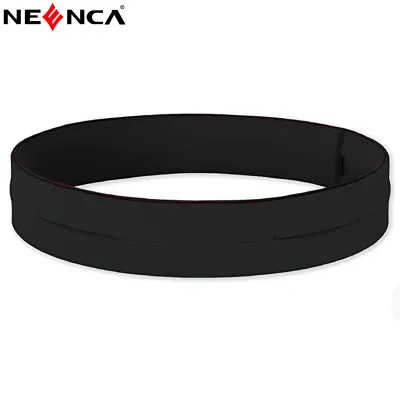
Tubular styles feature a continuous band of fabric that wraps entirely around the waist. Because they distribute weight evenly and offer high storage capacity, they are highly popular for long-distance runs and marathon training. However, this continuous contact means a large surface area of fabric is pressed against the skin. For these belts to remain breathable, they must rely almost entirely on high-performance moisture-wicking fabrics rather than open airflow, as there are no physical gaps for ventilation. If the fabric is too thick, it can quickly act as an insulating layer, trapping body heat around your core.
Products mentioned in this guide
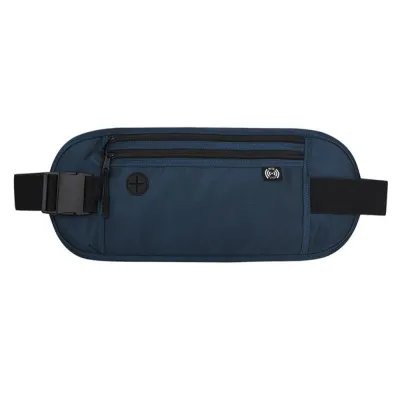
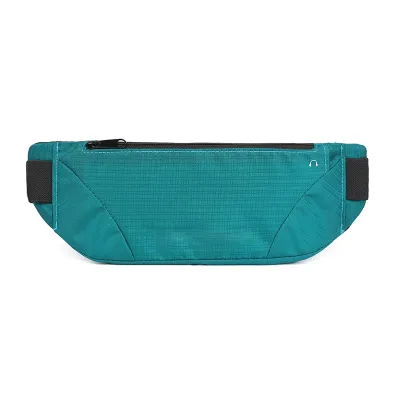
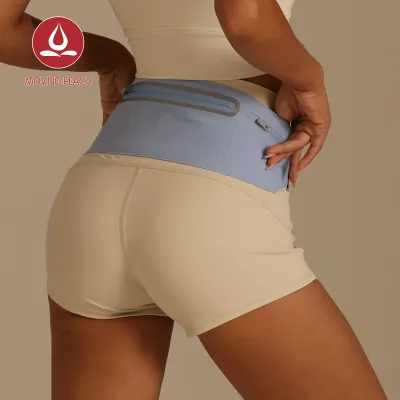
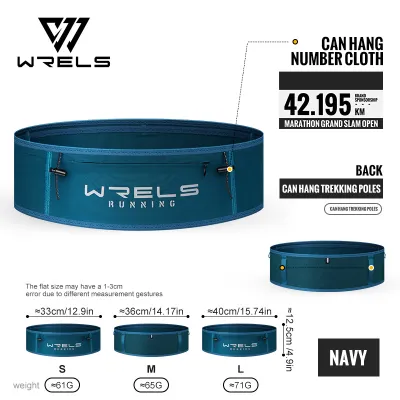
Prices are valid at publication and may change. Please refer to the product page for the latest price.
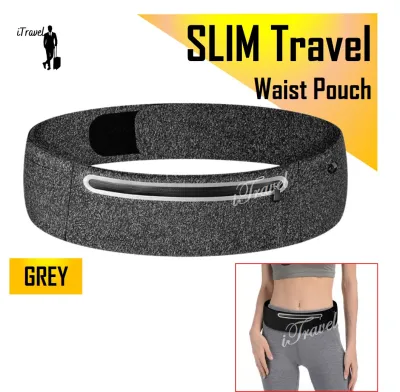
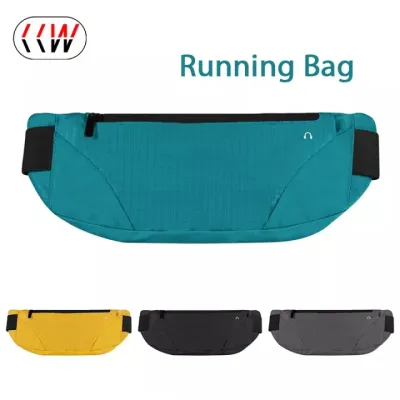
Zippered pouches with mesh panels offer a more targeted approach to storage and ventilation. These designs typically feature a central storage compartment supported by a narrower waist strap. To evaluate breathability here, look closely at the backing of the pouch that rests against the lower back or stomach. Some brands use a solid, water-resistant backing to protect contents from sweat, which unfortunately traps heat. Others incorporate a spacer mesh or perforated panel on the inner side, balancing gear protection with localized airflow. This design allows air to circulate around the sides of the waist where the strap is narrower.
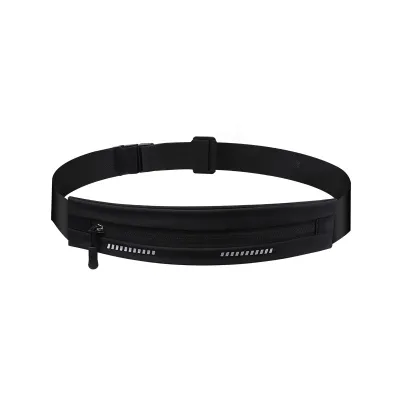
Minimalist strap styles prioritize heat dissipation by reducing the belt’s overall footprint. These designs use thin, adjustable elastic straps with a very small pouch, leaving most of the waist exposed to the open air. While this structure offers high natural ventilation and skin exposure, it limits storage capacity to essential items like a single key or card. Runners must weigh the need for carrying capacity against the desire for maximum airflow, making this style well-suited for shorter, high-intensity workouts.
Decoding Fabric Labels: What Actually Makes a Belt Breathable?
To verify the breathability claims of any running belt, look past marketing buzzwords and examine the technical specifications of the materials used. The fabric composition and construction methods listed on product tags provide concrete clues about how a belt will perform under heavy sweat.

True mesh and laser-cut perforations are the most effective physical features for promoting airflow. Mesh fabrics use an open-weave pattern that allows air to pass directly through the material, facilitating rapid sweat evaporation. Laser-cut perforations, often found in premium synthetic blends, create precise micro-openings that vent heat without compromising the structural integrity of the belt. If a product description only mentions lightweight fabric without specifying mesh or ventilation holes, it may consist of a solid synthetic sheet that restricts air circulation.
Understanding the difference between hydrophobic and hydrophilic fibers is also crucial when reading fabric labels. Hydrophobic fibers, such as polyester and nylon, repel water and prevent the belt from soaking up sweat and becoming heavy. Hydrophilic fibers, like cotton, absorb moisture and should be avoided in running gear as they hold onto sweat and cause chafing. Many high-quality belts use a blend of polyester and elastane to provide both moisture management and comfortable stretch.
The inner lining material that directly contacts the skin requires the closest inspection. Even if the outer shell of a belt is breathable, a non-breathable inner lining will trap sweat against the body. Look for linings made of soft, textured spacer mesh or moisture-wicking synthetic blends. Avoid belts that use thick, solid plastic or heavy polyurethane coatings on the inner side, as these materials act as vapor barriers and quickly lead to heat buildup.
The Role of Fit and Tension in Real-World Airflow
A running belt’s real-world breathability is heavily influenced by how it fits and how tightly it is secured around the waist. Even the most advanced technical fabrics cannot perform effectively if the belt is worn incorrectly or lacks proper adjustment mechanisms.
A compression fit is necessary to keep a running belt from bouncing, but excessive tension can trap heat against the skin. When a belt is pulled too tight, it compresses the fabric fibers, closing the micro-gaps in mesh materials and reducing their ability to vent air. Conversely, a belt that is too loose will bounce, causing friction, chafing, and skin irritation. Finding the correct balance involves choosing a belt that stays secure with minimal compression, allowing the fabric to perform its wicking and venting duties.
Adjustment mechanisms play a significant role in maintaining this balance and creating airflow gaps. Belts with adjustable buckles or tensioning sliders allow runners to fine-tune the fit as they run or as their clothing layers change. Some designs use elasticized drawcords that flex with the runner’s breathing, momentarily opening small gaps between the belt and the body to let heat escape. Fixed-size tubular belts lack these adjustment options, meaning the fit must be precise from the start to avoid over-compression.
It is also important to recognize when a belt’s design inherently restricts air circulation, regardless of the advertised materials. For example, carrying heavy items like large smartphones, soft flasks, or multiple energy gels will press the belt flat against the body, eliminating any natural air gaps. When a belt is fully loaded, the physical bulk of the items blocks the fabric’s pores, significantly reducing its overall breathability. Runners should distribute gear evenly and avoid overloading the belt to maintain ventilation.
Decision Framework: How to Shortlist and Compare Brands
When shopping for a men’s running belt, using a structured decision framework helps narrow down the options based on verifiable specifications rather than brand hype. Match your storage needs and typical running conditions to the appropriate design type and material checklist.
First, select the structural category that fits your running profile. For high-capacity needs, such as marathon training where you must carry hydration and nutrition, choose a high-quality tubular belt made of premium polyester-elastane blends. For short, hot midday runs where ventilation is the absolute priority, opt for a minimalist strap style. For a balance of storage and airflow, select a zippered pouch design that features a dedicated spacer mesh backing on the skin-contact side.
Next, use this checklist to verify brand claims before making a purchase:
- Check the material composition for a high percentage of hydrophobic synthetic fibers (polyester or nylon) combined with elastane.
- Verify that the skin-contact zone features visible mesh, spacer mesh, or laser-cut ventilation holes.
- Look for adjustable tension systems if you prefer to customize the fit during a run.
- Review the retailer's return policy to ensure you can test the fit and tension at home before committing to a run.
Finally, identify conditions that should prompt you to stop and reconsider a specific model. If a brand does not disclose its fabric composition or uses vague terms like “performance blend” without detail, treat it with caution. Additionally, avoid belts that feature thick, waterproof coatings on the side that touches your skin, as these coatings prevent sweat from evaporating and will quickly cause discomfort in humid conditions. If a belt feels excessively heavy or stiff before you even put it on, it is unlikely to offer the breathability needed for high-intensity runs.
Frequently Asked Questions (FAQ)
Can I wash a running belt to restore its breathability?
Yes, regular washing is essential to maintain the breathability of a running belt. Over time, dried sweat, body oils, and salt crystals accumulate within the fabric pores and mesh openings, clogging the material and reducing its moisture-wicking efficiency. Always check the manufacturer’s care label for specific instructions, but generally, hand washing or machine washing on a gentle cycle with a mild detergent is recommended. Avoid fabric softeners, as they leave a thin chemical residue that coats the fibers and clogs the breathable pores. After washing, air-dry the belt completely; avoid using a tumble dryer, as high heat can degrade the elastic fibers and damage synthetic mesh structures.
Does a darker colored running belt absorb more heat and reduce breathability?
A darker color does absorb more solar radiation when running in direct sunlight, which can make the belt feel warmer on the outside. However, this solar heat absorption is distinct from the fabric’s actual breathability, which is governed by moisture vapor transmission and physical airflow. In direct sunlight, a lighter-colored belt may feel slightly cooler, but if the fabric structure is solid and non-breathable, it will still trap sweat. For nighttime runs or shaded trail runs, color has no impact on thermal comfort. When selecting a belt, prioritize the physical fabric structure, mesh panels, and fit over color, as these factors have a far greater influence on overall breathability and sweat management.

Community discussion
Share your experience or ask a question. Comments are reviewed before publication.