
Selecting the ideal 1-litre insulated sports water bottle for your workouts requires balancing thermal performance, durability, and practical usability. A 1-litre capacity (approximately 32 ounces) is widely considered the sweet spot for fitness enthusiasts, providing enough hydration to power through a standard 60-to-90-minute exercise session without requiring constant trips to the gym water cooler. In warm and humid climates, such as Singapore’s, a high-quality insulated bottle is essential to keep water ice-cold and prevent external condensation from dripping onto gym equipment or soaking the contents of your gym bag. By focusing on material construction, lid design, and lifestyle compatibility, you can find a reliable flask that supports your fitness routine for years to come.
Key Features to Evaluate in a 1-Litre Insulated Gym Bottle
When evaluating insulated bottles, the material composition is the first line of defense against wear and temperature loss. Look for bottles constructed from food-grade 18/8 stainless steel, which contains 18% chromium and 8% nickel. This specific grade is highly resistant to rust, corrosion, and flavor retention, ensuring that your water always tastes fresh and does not carry over metallic tastes or lingering flavors from electrolyte powders. The double-wall vacuum insulation structure works by evacuating the air between two stainless steel walls, creating a vacuum barrier that virtually eliminates heat transfer by conduction or convection.
Lid mechanisms play a critical role in both convenience and hygiene during a workout. The three most common designs are chug lids, straw lids, and classic screw-tops, each serving different exercise styles. Chug lids feature a wide spout that allows for rapid fluid intake, making them ideal for high-intensity training where you need to drink quickly between sets. Straw lids enable upright sipping, which is highly convenient for cardio workouts on treadmills or stationary bikes where tilting your head back is impractical. Screw-top lids offer the most secure, leak-proof seal for transit, though they require two hands to operate and are less convenient during active movement.
Products mentioned in this guide
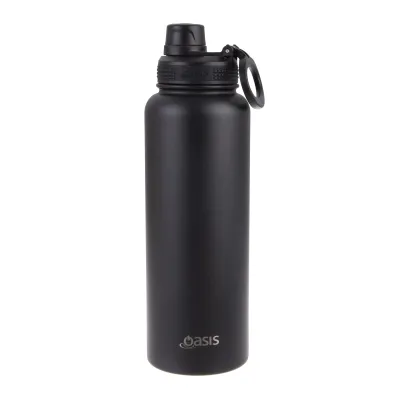
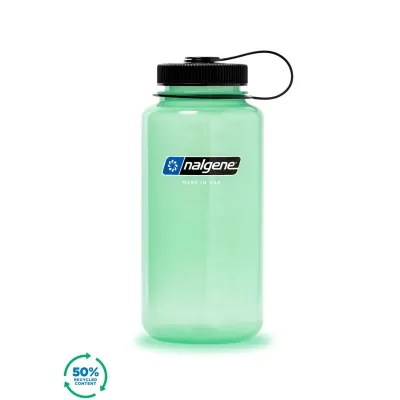
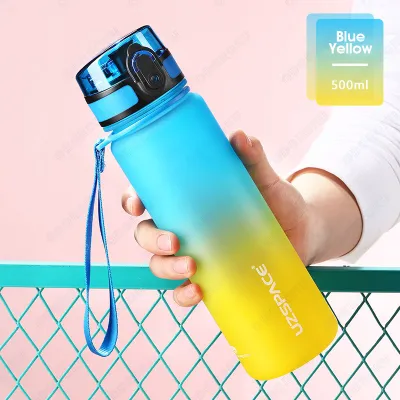
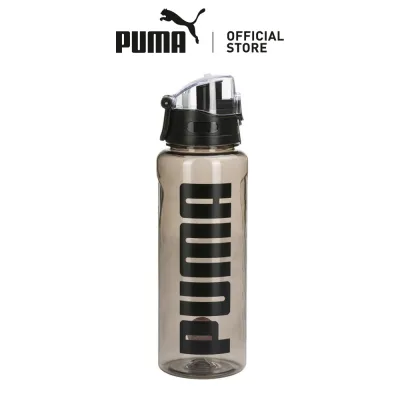
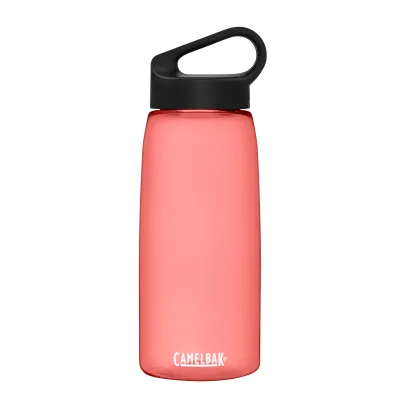
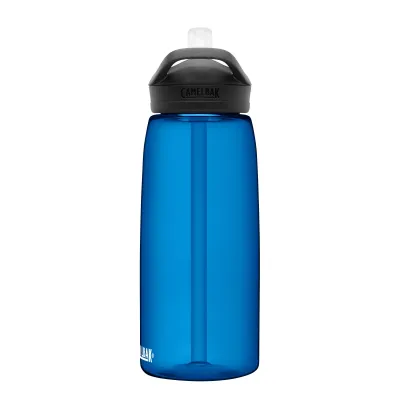
![[Lifestylemart] Water Bottle | BPA-Free | 1 litre](https://img.lazcdn.com/g/p/55323e4b22b23c24df4f98c344fe68a5.jpg_400x400q80.jpg_.webp)
Prices are valid at publication and may change. Please refer to the product page for the latest price.
Weight and balance are crucial considerations when stepping up to a 1-litre capacity. It is important to remember that 1 litre of water weighs exactly 1 kg. When you add the weight of a double-walled stainless steel bottle, which typically ranges from 400 to 600 grams empty, the total weight you will be carrying is around 1.4 to 1.6 kg. This added weight can affect how the bottle balances in your hand and how it sits in your gym bag, making structural integrity and ergonomic design key factors in your final choice.
Matching Bottle Design to Your Workout Style
For high-intensity interval training (HIIT) and cardio-heavy workouts, quick access and a secure grip are paramount. Look for bottles featuring a high-quality powder-coated exterior finish. This textured coating prevents the bottle from slipping out of your hands when they are wet with sweat or condensation. Additionally, one-handed lid operations, such as push-button flip caps with locking mechanisms, allow you to take a quick sip without breaking your stride or losing focus during fast-paced training sessions.

If your routine centers around strength training, powerlifting, or floor work like yoga and Pilates, your bottle will spend a lot of time on hard surfaces. Placing a heavy, filled metal bottle on concrete, rubber gym mats, or wooden floors can cause loud clanging noises and lead to structural dents if dropped. To mitigate this, look for bottles with a wide, stable base or those compatible with a protective silicone boot. A silicone boot acts as a shock absorber, dampening noise in quiet gym environments and protecting the bottom of the bottle from dents that could compromise the vacuum seal.
For outdoor workouts, trail runs, or long commutes, transportability becomes the primary concern. A sturdy, integrated carrying loop or a flexible strap is essential for carrying a heavy 1-litre bottle comfortably over longer distances. If you plan to clip the bottle to a backpack using a carabiner, ensure the attachment point on the lid is structurally reinforced. Furthermore, keep in mind that most 1-litre insulated bottles have a wide diameter of around 9 centimeters, meaning they generally will not fit into standard car cup holders or treadmill console pockets. Always check the physical dimensions if cup holder compatibility is a priority for your daily transit.
Building Your Shortlist: What to Check Before Buying
Before finalizing your purchase, verify the manufacturer’s official specifications rather than relying solely on marketing slogans. High-quality insulated bottles typically guarantee cold retention for up to 24 hours and hot retention for up to 12 hours. Ensure the product description explicitly states that all plastic components, straws, and silicone seals are 100% BPA-free and food-safe. These certifications ensure that no harmful chemicals will leach into your water, even if the bottle is left in a warm car or exposed to sunlight.
Another critical factor is the availability of replacement parts and the manufacturer’s warranty terms. Even the most durable stainless steel flask will eventually experience wear on its soft components, such as silicone O-rings, plastic straws, and lid gaskets. Check if the brand sells individual replacement lids and gasket kits separately. Being able to purchase a replacement lid for S$5 to S$15 is far more cost-effective and environmentally friendly than having to replace the entire bottle simply because a silicone seal has worn out or gone missing.
Finally, evaluate real-world user feedback on online marketplaces and sports forums to gauge long-term durability. Look for patterns in reviews regarding lid leaks, paint chipping, or sudden loss of insulation after minor drops. While occasional negative reviews are normal, consistent complaints about a specific lid design leaking or a handle snapping under the weight of a full bottle are clear indicators to look elsewhere. A reliable bottle should maintain its vacuum seal and leak-proof integrity through months of daily gym use.
Care and Maintenance for Long-Lasting Insulation
To preserve the thermal performance and hygiene of your insulated bottle, establish a consistent daily cleaning routine. Hand washing is highly recommended for all double-walled vacuum bottles. Even if a manufacturer claims a bottle is dishwasher-safe, the extreme heat, prolonged moisture, and harsh detergents of a dishwasher cycle can degrade the vacuum seal over time. This exposure can also cause the exterior powder coating to peel, fade, or bubble. Use warm water, mild dish soap, and a flexible bottle brush to clean the interior thoroughly after every workout.
Over time, sports drinks, electrolyte powders, or simple moisture can lead to stubborn odors and stains inside the bottle and around the lid. To sanitize and refresh your flask, mix two tablespoons of baking soda with warm water, pour it into the bottle, and let it sit for a few hours before scrubbing. For persistent odors or mineral buildup from hard water, a diluted white vinegar rinse works exceptionally well. Always avoid using bleach or chlorine-based cleaners, as these chemicals can react with the chromium oxide layer on the stainless steel, leading to pitting and rust.
Regularly inspect the silicone gaskets and O-rings nested inside the bottle lids. Moisture can easily become trapped in these tight crevices, creating a breeding ground for mold and bacteria if left uncleaned. Gently remove the gaskets using a blunt tool, wash them in warm soapy water, and allow them to air dry completely before reassembling. If you notice any cracks, stretching, or mold stains that cannot be removed, replace the gasket immediately to prevent leaks and maintain the bottle’s thermal efficiency.
Frequently Asked Questions (FAQ)
Is a 1-litre bottle too heavy for running or cycling?
Yes, a fully filled 1-litre insulated bottle is generally too heavy and bulky for active running or cycling. The combined weight of the water and the double-walled steel flask (around 1.4 to 1.6 kg) makes it uncomfortable to carry in your hand while running, and it will cause significant bounce in a standard hydration belt. For cycling, standard bottle cages are designed for flexible, single-walled plastic bottles (usually 500ml to 750ml) that can be squeezed easily while riding; a wide, rigid 1-litre stainless steel bottle will not fit standard cages and poses a safety hazard if it falls out. It is best to reserve your 1-litre insulated bottle for stationary gym workouts, court sports, or post-workout recovery.
Can I put hot drinks in a bottle designed for cold gym water?
While the stainless steel body of the bottle can safely handle hot liquids, you must verify the temperature rating of the lid before doing so. Many sports lids, especially those with built-in straws, bite valves, or quick-flip mechanisms, are not designed for hot beverages. Hot liquids can cause steam pressure to build up inside the sealed bottle, which may lead to hot liquid spraying out violently when you open the spout, posing a serious burn risk. If you plan to carry hot tea or coffee, swap the sports lid for a simple, insulated screw-top lid rated specifically for hot liquids, and always exercise caution when opening.
How do I know if the vacuum insulation is broken?
You can easily test your bottle’s vacuum seal using temperature extremes. Fill the bottle with ice-cold water or boiling hot water and wait for two to three minutes, then feel the exterior wall of the flask. If the outside of the bottle feels noticeably cold or hot to the touch, or if you observe condensation forming on the exterior surface, the vacuum seal has been compromised. A properly functioning vacuum-insulated bottle will always maintain a neutral, room-temperature exterior, regardless of how hot or cold the liquid is inside.

Community discussion
Share your experience or ask a question. Comments are reviewed before publication.