
Fitting an elliptical trainer into a Singapore HDB flat without blocking walkways requires balancing the machine’s static footprint, its dynamic operational clearance, and your household’s daily traffic paths. Generally, a compact elliptical trainer with a static footprint of around 130 cm to 150 cm in length and 60 cm to 75 cm in width can fit comfortably in common HDB layouts, such as a living room corner or a spare bedroom. However, the true space required during a workout is significantly larger due to moving pedals, swinging handlebars, and the necessary safety clearance around the machine.
To avoid turning your home into an obstacle course, you must evaluate the specific layout of your flat, whether it is a 3-room, 4-room, or 5-room unit. Walkways must remain completely clear to comply with household safety and maintain a comfortable living environment. This guide provides a practical framework to measure your space, understand dynamic clearances, compare equipment specifications, and plan a seamless delivery and setup.
Measure Your HDB Floor Plan and Walkway Clearances
Start by identifying the exact spot where the machine will sit. Use a physical measuring tape rather than relying solely on the official HDB floor plan, as actual built-in features and renovations can reduce usable space.
Products mentioned in this guide
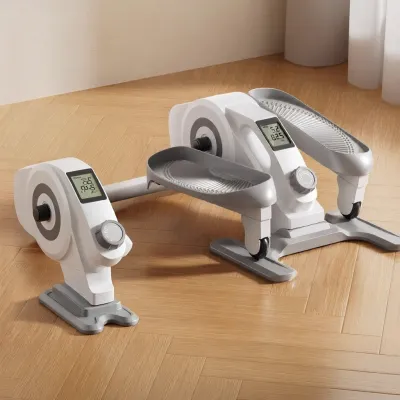
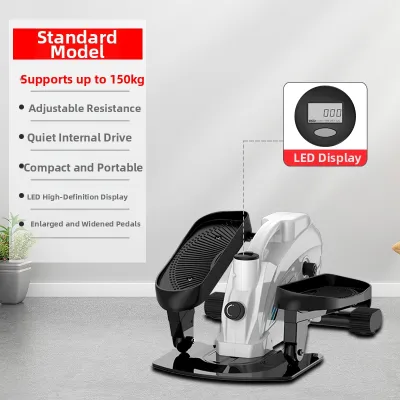

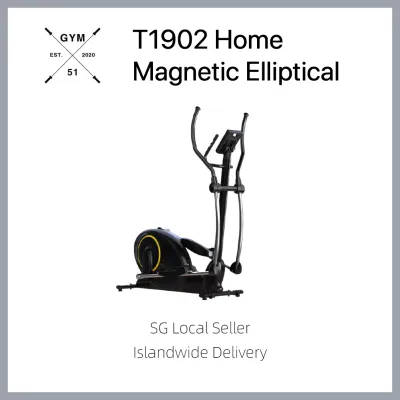
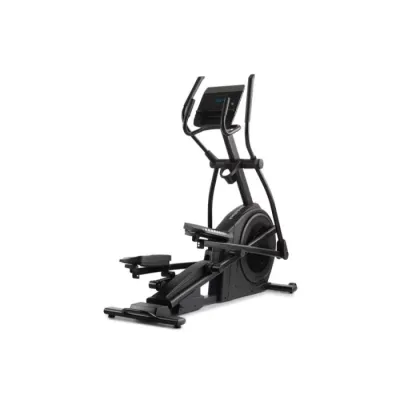
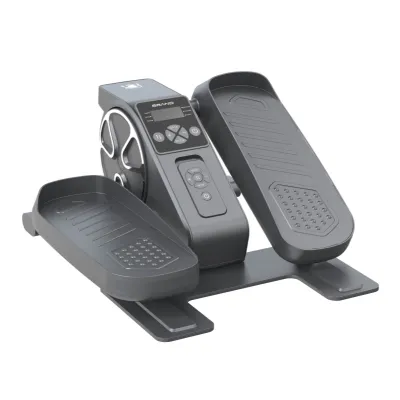
Prices are valid at publication and may change. Please refer to the product page for the latest price.
Measure the dedicated floor footprint carefully. Take note of skirting boards, wall-mounted power sockets, trunking, or built-in cabinets that might prevent the machine from sitting flush against the wall. A machine placed even a few centimeters away from the wall because of a skirting board can protrude directly into a primary walkway.
Check the entry path from the outside world to the final room. Measure the width of the main door, bedroom doors, and the lift lobby. Packaged fitness equipment is often delivered in large, heavy boxes that require more clearance than the assembled machine itself. Ensuring the box can clear tight corridor corners and standard door frames prevents delivery day headaches.
Do not forget to measure vertical clearance. Measure the ceiling height at the exact spot where the elliptical trainer will stand. Because users stand elevated on the pedals, you must calculate the combined height of the machine’s highest pedal position and your own height, leaving comfortable clearance from false ceilings, low structural beams, or ceiling fans.
Understand Dynamic and Safety Space Requirements
An elliptical trainer is not a static piece of furniture; its moving parts require a dynamic footprint that is substantially larger than its resting dimensions. When in use, the pedals and internal linkage arms extend beyond the front and rear of the main frame.

Account for the stride length of the machine. A longer stride length generally provides a more natural running motion but also means the pedals and your body will project further forward and backward during each stride. If you select a model with a 50 cm stride length, the operational length of the machine during a workout can easily exceed its static frame length by 20 cm to 30 cm.
Factor in the lateral movement of the handlebars. The moving handlebars swing outward and forward, requiring extra side clearance. If the machine is placed too close to a wall, window, or glass sliding door, the handlebars can strike these surfaces during high-intensity workouts, risking damage or injury.
Manufacturer guidelines typically recommend a safety clearance zone around the entire perimeter of the equipment. Maintaining at least 50 cm to 60 cm of open space on at least one side and the rear of the machine is crucial for safe mounting, dismounting, and emergency stops. This safety buffer also ensures that other household members can walk past safely while the machine is in operation.
Match Elliptical Trainer Specs to Your Measurements
When browsing models, look beyond the basic product dimensions listed in marketing materials. Seek out the maximum operational dimensions, which represent the absolute furthest points the pedals and handlebars reach during a full stride. Compare these maximum figures directly against your measured floor clearances.
The drive design of the elliptical trainer heavily influences its overall size and how it fits into your room. Front-drive models tend to have a more vertical, compact frame design but may require more vertical ceiling clearance because the user stands higher off the ground. They often feel more like a climbing machine and can be easier to tuck into tight corners.
Rear-drive models generally offer a flatter, more natural running stride but typically feature a longer, wider base frame. This longer footprint can make rear-drive units more challenging to position in narrow HDB bedrooms without blocking the path to the wardrobe or bed.
Compact or space-saving elliptical trainers are highly appealing for flat dwellers, but they come with distinct trade-offs. To reduce the footprint, manufacturers often shorten the stride length or use smaller flywheels. While this successfully frees up walkway space, it can result in a choppy, less comfortable workout motion for taller users. Verify that a compact model’s stride length still matches your personal comfort requirements before prioritizing space savings.
Plan for Delivery, Assembly, and Daily Placement
Before finalizing your purchase, verify the delivery and assembly terms with the retailer. Some online marketplaces or fitness brands deliver the machine fully assembled, while others provide it in flat-pack boxes. If your flat has narrow corridors or a tight entryway, opting for in-room assembly is highly recommended so that individual components can be carried in and assembled directly in the designated space.
Protecting your HDB flooring is essential, especially if you have vinyl, laminate, or polished tiles. Placing a heavy-duty equipment mat beneath the elliptical trainer helps distribute the weight, prevents the machine from slipping during vigorous workouts, and dampens vibration transfer to the neighbors living downstairs.
Plan the daily placement of the machine to ensure it does not disrupt the natural flow of your home. Avoid placing the elliptical trainer directly in front of main walkways, balcony sliding doors, or household shelter doors. If space is exceptionally tight, position the machine parallel to a wall in a multi-purpose room, ensuring there is still enough clearance to access nearby storage or windows without having to squeeze past the equipment.
Frequently Asked Questions (FAQ)
Can I keep an elliptical trainer inside the HDB household shelter?
Using the household shelter as a home gym or storage space for fitness equipment is a common consideration, but it presents several practical and regulatory challenges. The heavy, airtight steel door of the shelter requires a wide swing radius to open and close properly, which significantly reduces the usable floor area inside. Additionally, these shelters lack natural ventilation and power sockets, making long workout sessions uncomfortable and requiring extension cords that can pose tripping hazards.
Furthermore, strict HDB regulations govern the modification of household shelters. You are prohibited from drilling into the reinforced concrete walls, ceiling, or steel door to mount brackets, shelves, or cable routing systems. If you plan to store or use an elliptical trainer inside the shelter, it must be entirely free-standing, and you must ensure the door can still be fully closed and sealed instantly in an emergency.
Do foldable elliptical trainers save significant floor space?
Foldable elliptical trainers can be an excellent solution for space-constrained HDB flats, but it is important to understand their limitations. The folding mechanism typically allows the rear frame or pedal arms to fold upward, reducing the static footprint by up to half when the machine is not in use. This is highly beneficial for clearing up walkway space during the day when you are not exercising.
However, folding mechanisms do not change the dynamic operational space required during your workout. You will still need the exact same clearance for stride length and handlebar swing when the machine is unfolded. Additionally, foldable models often feature more joints and moving parts, which can slightly reduce frame rigidity and weight capacity compared to solid, fixed-frame models. Regular maintenance and checking of the folding joints are necessary to ensure long-term durability and quiet operation.

Community discussion
Share your experience or ask a question. Comments are reviewed before publication.