
A typical Housing & Development Board (HDB) flat in Singapore requires careful space planning, making the physical dimensions of a stepper exercise machine a critical factor before purchase. To fit comfortably without blocking daily foot traffic or creating a cramped living environment, a stepper should ideally have a compact footprint that allows for easy storage or fits neatly into a designated corner. Choosing the right machine involves balancing the physical size of the equipment with the dynamic clearance needed for safe, comfortable workouts.
Understanding Space Constraints in an HDB Flat
Living in an HDB flat means maximizing every square meter of floor area. When planning for home gym equipment, you must evaluate the actual usable floor space rather than the total room dimensions listed on your floor plan. Built-in wardrobes, queen-sized beds, sofas, and dining sets significantly reduce the open area available for exercise. A machine that looks small in a spacious showroom can easily overwhelm a bedroom or living room once surrounded by existing furniture.
Walkway clearance is another vital consideration for safety and comfort. Any exercise equipment must be positioned so it does not obstruct main thoroughfares, hallway access, or emergency exit paths. You should be able to walk freely around the machine when it is not in use, and household members should not have to squeeze past you while you are exercising.
Products mentioned in this guide
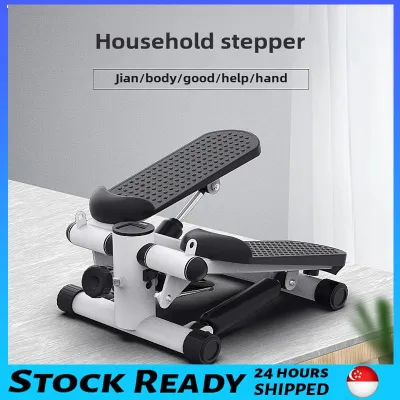
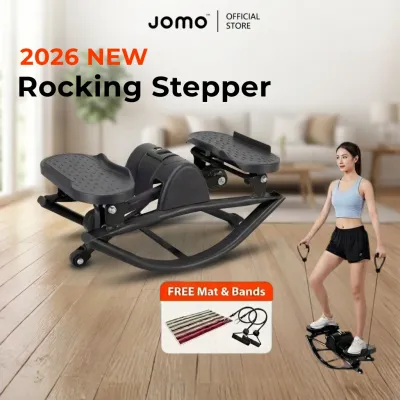
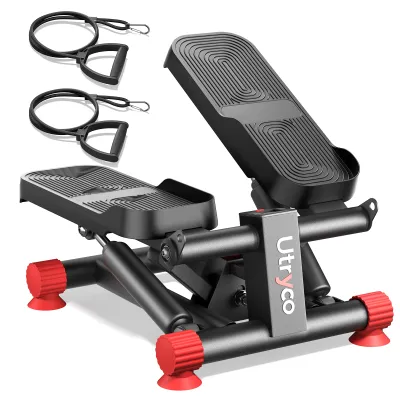
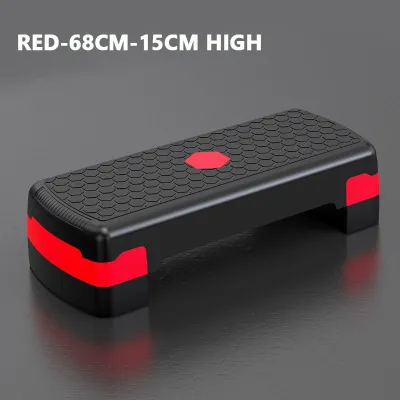
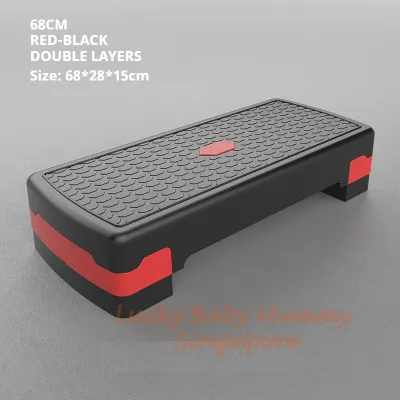
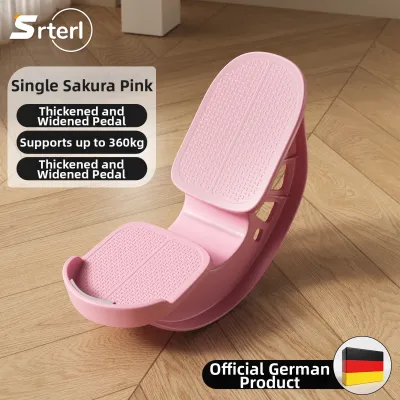
Prices are valid at publication and may change. Please refer to the product page for the latest price.
Ceiling height and overhead obstructions are frequently overlooked when shopping for cardio gear. Because a stepper elevates your body with each stride, you must calculate your total height when standing on the pedals at their highest point. Ensure there is ample clearance from ceiling fans, light fixtures, and low-hanging beams to prevent painful accidental contact during a vigorous workout session.
Key Stepper Dimensions to Check Before Buying
Before committing to a purchase, you need to verify several critical measurements of the stepper exercise machine. The first is the static base footprint, which represents the length and width of the machine when fully assembled. This measurement tells you exactly how much floor space the unit will occupy when resting in your room. Compare this footprint directly with your measured floor space to ensure a proper fit.

Next, examine the vertical dimensions, including the maximum pedal height and the height of the handlebars. The maximum pedal height determines how close your head will get to the ceiling. To check your safety margin, add your own height to the maximum pedal height and compare it to your room’s ceiling height. Handlebar height is also important for ergonomics, as it should allow you to maintain an upright, comfortable posture without straining your back.
Finally, account for the dynamic space requirements of the machine. A stepper is not a static object; your body moves, and some models feature resistance bands or moving handlebars that swing outward. You must allow for an extra safety buffer around the machine to accommodate your arm swing, stepping motion, and any side-to-side sway. Leaving a clear zone of at least half a meter on all sides of the machine is a practical way to help prevent you from striking nearby walls or furniture.
Comparing Stepper Types for Compact Living
Different stepper designs offer distinct spatial advantages and trade-offs for HDB dwellers. Mini steppers are the most compact option available, featuring a tiny footprint that rarely exceeds a small doormat. These lightweight machines are highly portable and can be easily tucked under a bed, inside a wardrobe, or beneath a study desk when your workout is finished. However, they lack built-in upper body support, requiring greater core stability and balance from the user.
Upright steppers with integrated handlebars provide excellent stability and a more intense workout, but they demand a permanent or semi-permanent spot in your home. These models have a larger base footprint and stand much taller, making them harder to conceal. They are well suited for dedicated workout corners where they do not need to be moved frequently.
Folding or collapsible steppers offer a middle ground, combining the stability of handlebars with the convenience of space-saving storage. These machines can be folded down into a flatter profile to be leaned against a wall or stored in a utility closet. When choosing a folding model, verify that the locking mechanisms are robust and that the unit is light enough for you to fold and unfold safely without assistance.
How to Measure and Plan Your Workout Zone
To avoid surprises when your new equipment arrives, take the time to physically map out your workout zone. Use masking tape or painter’s tape to outline the exact dimensions of the stepper’s footprint on your floor. Walk around the taped area to confirm that it does not block cabinet doors, drawers, or walkways. This visual aid provides a realistic sense of how the machine will integrate into your daily living space.
Proper ventilation and wall clearance are also essential for a comfortable home workout. Position your stepper in an area with good airflow, such as near a window or directly in the path of a standing fan. Avoid placing the machine flush against a wall; leaving a gap prevents your body or the machine from scuffing the paint and ensures adequate air circulation around any mechanical parts.
Lastly, protect your flooring and maintain good relations with your neighbors by using a dedicated equipment mat. HDB flats often have tiled or vinyl flooring that can be easily scratched by metal frames. A high-density rubber or PVC mat prevents the machine from slipping during use, distributes the weight evenly, and helps dampen the physical impact of your steps.
Frequently Asked Questions (FAQ)
Will a stepper exercise machine cause noise complaints in an HDB flat?
Repetitive thumping or mechanical squeaks can easily travel through concrete floors in multi-story HDB blocks. To minimize noise, look for steppers that utilize quiet hydraulic cylinders or magnetic resistance systems rather than noisy mechanical chains. Placing a thick, high-density rubber equipment mat underneath the machine is highly effective at absorbing structural vibrations before they reach your downstairs neighbors. Additionally, avoid placing the stepper directly against shared household walls and try to schedule your workouts during daytime or early evening hours to remain considerate of others.
Can I keep my stepper outside on the HDB service yard or balcony?
Storing fitness equipment in semi-outdoor spaces like service yards or open balconies exposes it to Singapore’s high humidity, ambient heat, and occasional driving rain. Moisture can quickly rust steel frames, degrade rubber resistance bands, and ruin electronic consoles or sensors. Unless a manufacturer explicitly states that a model is rated for outdoor use, it is best to keep the machine indoors. If you must store it in a sheltered balcony, use a heavy-duty waterproof cover and bring the unit inside during periods of heavy rain or haze to protect your investment.

Community discussion
Share your experience or ask a question. Comments are reviewed before publication.