
Selecting the right tennis elbow strap in Singapore requires balancing material breathability, pressure distribution, and secure fit. Whether you are dealing with forearm strain from serving on local tennis courts, lifting weights, or typing in an air-conditioned office, a counterforce brace can provide targeted relief. However, because these devices apply direct pressure to your forearm muscles, choosing an unsuitable model or wearing it incorrectly can aggravate your symptoms. By understanding key design features, evaluating reputable brands, and learning correct application techniques, you can find a support that fits your lifestyle and helps you manage discomfort safely.
Understanding Tennis Elbow Straps and When They Help
A tennis elbow strap, or counterforce brace, is a specialized support designed to manage lateral epicondylitis, commonly known as tennis elbow. This condition involves irritation or microtearing of the tendons that join your forearm muscles to the outer part of your elbow. Unlike a full elbow sleeve, which covers the entire joint to provide general warmth and mild compression, a counterforce strap is a narrow band wrapped specifically around the upper forearm. It works by applying targeted pressure to the muscle belly just below the elbow, creating a secondary anchor point that absorbs a portion of the force generated when using your hand and wrist. This temporary redirection of mechanical stress offloads the inflamed tendon insertion, allowing you to perform daily activities with less discomfort.
While the name suggests a sports-specific injury, tennis elbow frequently affects individuals who engage in any repetitive wrist or hand movements. Common triggers include racket sports like tennis, squash, and badminton, where the impact of the ball transmits vibration up the racket handle. Repetitive occupational tasks, such as typing on a keyboard, using a computer mouse, painting, or manual assembly work, can also strain these extensor muscles over time. Additionally, strength training exercises that require a strong grip, such as pull-ups, deadlifts, and heavy rows, can overload the forearm tendons. A tennis elbow strap is highly effective for these scenarios because it targets the specific muscle group responsible for wrist extension.
Products mentioned in this guide
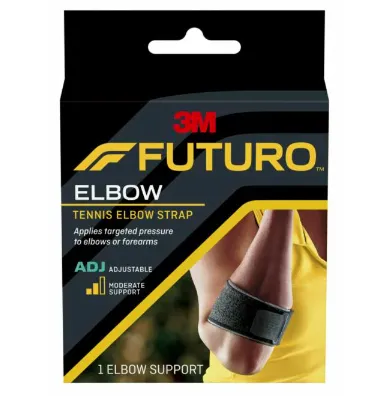
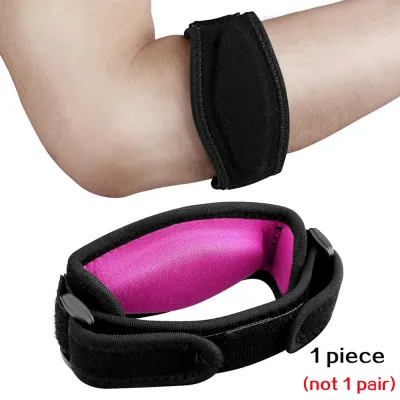
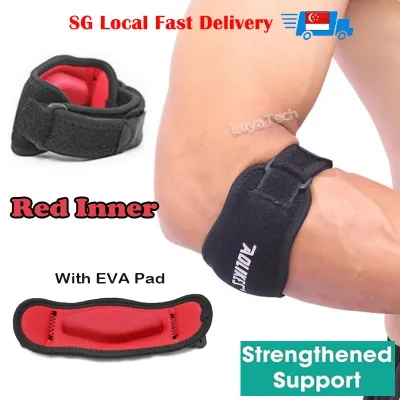
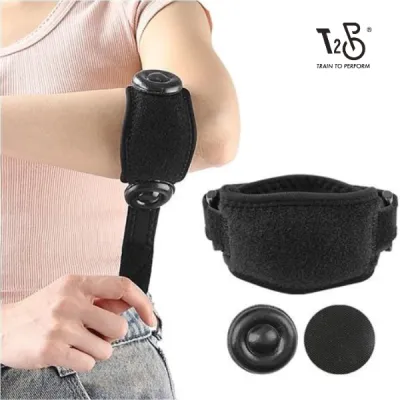
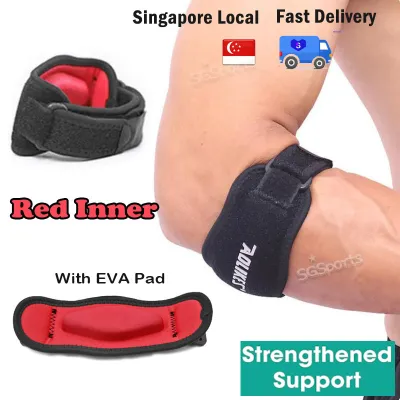
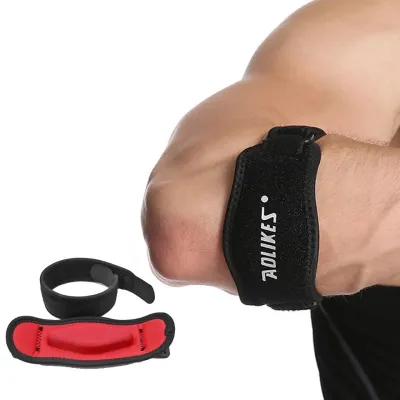
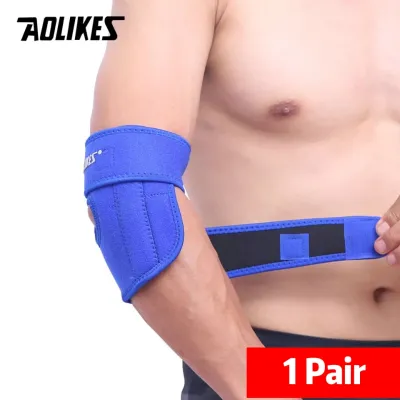
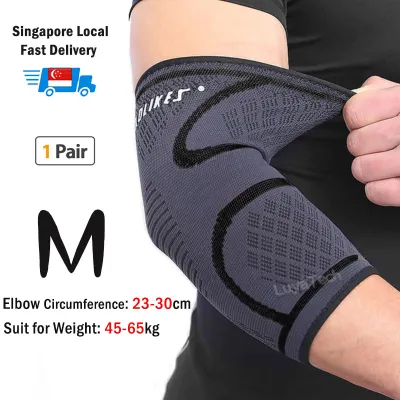
Prices are valid at publication and may change. Please refer to the product page for the latest price.
It is crucial to understand that a tennis elbow strap is a symptom-management tool rather than a cure for the underlying tissue condition. While the strap alters the angle of muscle pull and dampens vibrations during activity, it does not repair the damaged tendon fibers. True healing requires a combination of rest, targeted rehabilitation exercises, and biomechanical adjustments. Using a strap to mask pain so you can continue overloading an injured tendon without addressing the root cause can lead to chronic degeneration. Therefore, the strap should be viewed as a supportive aid to facilitate recovery and protect the arm during essential tasks, rather than a license to ignore pain limits.
Core Features to Evaluate for Your Specific Needs
When comparing tennis elbow straps, the design and material of the pressure pad are critical factors in determining both comfort and effectiveness. Most high-quality straps feature either a gel pad or a high-density foam pad. Gel pads are highly pliable, conforming closely to the natural contours of your forearm muscle to distribute pressure evenly and minimize localized pinching. They also tend to feel slightly cooler against the skin initially, which can be pleasant during warm-weather activities. Foam pads, particularly those made from firm EVA foam, offer a more rigid and structured counterforce. This firmness is often preferred by athletes who require a highly stable pressure point during high-impact movements, though it may require more precise positioning to avoid discomfort.

The material of the strap itself plays a significant role in wearability, especially given Singapore’s hot and humid climate. Neoprene is a traditional choice for sports supports because of its excellent durability, elasticity, and ability to maintain structural integrity under tension. However, standard neoprene traps heat and sweat, which can quickly lead to skin irritation, itching, or bacterial buildup during outdoor play or long workdays. To counter this, look for straps made from perforated neoprene, moisture-wicking synthetic blends, or lightweight knit fabrics. These breathable alternatives allow sweat to evaporate more quickly, keeping the skin dry and reducing the risk of dermatological issues during extended wear.
The closure mechanism and overall adjustability of the strap determine how easily you can apply and secure the support. A high-quality hook-and-loop system is essential for maintaining consistent tension throughout your activity. Look for designs that incorporate a D-ring buckle system; this allows you to loop the strap back on itself, making it much easier to tighten and adjust precisely using only one hand. Straps without a D-ring can be clumsy to apply to your own forearm, often resulting in uneven tension or a loose fit. Additionally, verify that the strap features a non-slip lining or silicone grip strips on the interior surface to prevent the brace from sliding down your arm as you sweat.
Reputable Support Brands Available in the Local Market
The Singapore market offers a wide range of sports and medical support brands, which can generally be categorized by their primary design focus and intended use. Medical-grade and orthopedic brands, such as Bauerfeind, Zamst, and specialized lines from Futuro, are engineered with anatomical precision and clinical input. These brands often utilize advanced knit fabrics, medical-grade silicone pads, and precise tensioning systems designed to provide highly targeted pressure without restricting circulation. While these options typically represent a higher financial investment, they are highly recommended for individuals dealing with severe, chronic, or post-surgical elbow discomfort where precise pressure distribution is critical for daily function.
Sports-performance brands, including McDavid, LP Support, and Mueller, focus heavily on durability, sweat resistance, and dynamic movement support. These straps are built to withstand the rigorous demands of racket sports, weightlifting, and high-intensity training. They often feature heavy-duty neoprene or reinforced synthetic blends, robust hook-and-loop closures, and shock-absorbing gel or foam inserts designed to dampen high-frequency vibrations. If your primary goal is to protect your elbow during intense physical workouts or competitive matches, a sports-performance brand is often the most suitable choice due to its rugged construction and secure fit during rapid movement.
For mild, occasional discomfort or temporary use, pharmacy-house brands and entry-level options are widely available and highly accessible. These basic models, often found under retail pharmacy house labels or entry-level product lines, typically feature simple foam pads and standard elastic straps. While they lack the advanced materials and anatomical contouring of premium brands, they can be entirely sufficient for light duties, such as occasional typing or light gardening. When evaluating these entry-level options, inspect the stitching around the hook-and-loop fasteners and ensure the pressure pad is firm enough to provide a noticeable counterforce effect rather than just compressing the entire arm flat.
Sizing, Fitting, and Correct Application
To ensure a tennis elbow strap works effectively and safely, you must first determine your correct size by measuring your forearm accurately. Using a flexible, soft measuring tape, measure the circumference of your forearm at its widest point, which is typically about two to three centimeters below the elbow crease. Make sure your arm is relaxed and your muscles are not flexed during this measurement, as flexing can temporarily increase the circumference and lead to purchasing a strap that is too large. Compare your measurement directly against the specific sizing chart provided by the manufacturer, as sizing standards can vary significantly between different brands and models.
Once you have the correct size, proper placement of the strap is essential for achieving the counterforce effect. Position the pressure pad approximately two finger-widths (about three to four centimeters) below your elbow crease, directly over the muscle belly of the forearm extensors. You can locate this muscle belly by placing your hand on your upper forearm and wiggling your fingers or lifting your wrist upward; you will feel the muscle contract and tighten under your skin. The pad must sit directly on this contracting muscle tissue. Never place the pad directly on the bony outer bump of the elbow (the lateral epicondyle) or across the joint crease itself, as this will fail to relieve tendon tension and can cause painful friction against the bone.
Adjusting the tension of the strap requires a careful balance between support and circulation. Tighten the strap until it is snug enough to feel a firm, localized pressure over the muscle belly when you clench your fist or lift your wrist, but not so tight that it restricts blood flow. A good rule of thumb is that you should be able to slide one finger comfortably flat underneath the strap. If you experience throbbing in your forearm, coldness or discoloration in your fingers, tingling, or a pins-and-needles sensation, the strap is too tight and must be loosened immediately. Always apply the strap while your arm is relaxed, then test the tension by performing a few light movements.
Navigating Local Retailers and Online Channels
Finding an authentic, high-quality tennis elbow strap in Singapore can be done through several reliable retail channels, each offering distinct advantages. Physical pharmacies and health stores, such as Watsons, Guardian, Unity, and specialized hospital retail pharmacies, are excellent starting points. Visiting a physical store allows you to examine the packaging, read the sizing charts in person, and sometimes inspect display models to assess the firmness of the pressure pad. Additionally, you can consult the in-store pharmacist or health assistant, who can provide basic guidance on product selection and direct you toward reputable medical-grade options.
For those seeking performance-grade gear tailored for active sports, specialized sports retailers and pro shops are highly recommended. Outlets located within major sports malls, such as Queensway Shopping Centre, or pro shops attached to tennis and squash centers, carry brands specifically designed for athletic use. The staff in these locations often possess a deep understanding of racket sports biomechanics and can recommend straps that offer superior sweat resistance and non-slip properties. This specialized advice is invaluable for ensuring your strap remains secure during high-perspiration activities in Singapore’s humid environment.
If you prefer the convenience of online shopping, e-commerce platforms and official brand stores offer the widest selection of products. To avoid counterfeit or substandard supports, always purchase from official flagship stores or authorized distributors, which are typically verified with official mall tags on major local platforms. Carefully review the seller’s return and exchange policies before purchasing, as securing the correct fit is crucial and may require a size exchange. Be cautious of listings with suspiciously low prices that lack official branding, as these products often use low-grade foam that collapses under pressure or adhesives that degrade rapidly when exposed to sweat.
Safety Boundaries and When to Consult a Professional
While a tennis elbow strap is a safe and effective self-management tool for many, it is important to recognize the signs of improper use or potential complications. If you notice skin redness, itching, or a rash developing under the strap, discontinue use immediately. This is a common issue in humid climates when sweat and bacteria become trapped under non-breathable materials like neoprene; washing the strap regularly and switching to a breathable fabric can help prevent this. Furthermore, if wearing the strap causes an increase in pain, a shooting sensation down your arm, or numbness in your hand, the strap may be compressing the radial nerve and should be removed at once.
There are several red flag symptoms that indicate your condition requires professional medical evaluation rather than self-treatment with a strap. You should consult a doctor or a physiotherapist if you experience severe pain even when your arm is completely at rest, visible swelling, redness, or warmth around the elbow joint, or an inability to fully straighten or bend your elbow. Additionally, if your symptoms do not show any improvement after two to three weeks of consistent rest, activity modification, and proper strap use, professional intervention is necessary to rule out more severe tendon tears or joint issues.
Ultimately, a tennis elbow strap should only be used as one component of a comprehensive recovery plan. Long-term resolution of lateral epicondylitis relies on physical therapy, targeted eccentric strengthening exercises for the forearm muscles, and stretching to restore flexibility. A physiotherapist can also analyze your sporting technique or workstation ergonomics to identify and correct the repetitive movements that caused the strain in the first place. By combining the temporary support of a well-fitted strap with active rehabilitation and proper rest, you can achieve a safe, complete, and lasting recovery.
Frequently Asked Questions (FAQ)
Can I wear a tennis elbow strap all day?
No, you should not wear a tennis elbow strap continuously throughout the day. It is designed to be worn specifically during activities that aggravate your forearm muscles, such as playing racket sports, lifting weights, or engaging in repetitive typing and manual work. Wearing the strap constantly when resting or sleeping is unnecessary and can restrict healthy blood circulation. Furthermore, overusing a brace can lead to muscle weakness over time, as your forearm muscles may begin to rely on the external support rather than maintaining their natural strength and stability. Always remove the strap when you are resting or when your arm is not subjected to repetitive strain.
How do I clean and maintain the strap?
Proper maintenance is essential to prolong the lifespan of your tennis elbow strap and prevent skin irritation, especially in Singapore’s humid climate. Always check the manufacturer’s care label for specific instructions, but as a general rule, you should hand-wash the strap in cool water using a mild soap or gentle detergent. Avoid using bleach, fabric softeners, or harsh chemicals, as these can degrade the elastic fibers and weaken the hook-and-loop fasteners. After washing, rinse the strap thoroughly to remove all soap residue, gently squeeze out excess water without wringing or twisting, and lay it flat to air-dry in a well-ventilated indoor area away from direct sunlight. Never put the strap in a tumble dryer or use a hairdryer, as high heat can warp plastic D-rings and damage gel or foam pads.

Community discussion
Share your experience or ask a question. Comments are reviewed before publication.