
To start fishing with lures successfully, a beginner should focus on highly forgiving options that feature built-in swimming actions, such as inline spinners, soft plastic paddletails on jig heads, and floating minnows. These choices minimize the need for complex rod work, allowing you to catch fish simply by casting and retrieving at a steady pace. Starting with these versatile designs helps you master casting accuracy and line control before moving on to more technical presentations.
Before heading out, ensure you are familiar with basic hook safety and local weather conditions. Casting heavy lures in high winds can be hazardous, so always check the forecast and wear polarized sunglasses to protect your eyes and help you spot underwater structures.
Assessing Your Fishing Conditions Before Choosing a Lure
Before buying any fishing lure, you must evaluate where you plan to fish. Freshwater environments like reservoirs and urban ponds require different considerations than saltwater coastal spots, beaches, or jetties. Saltwater is highly corrosive, meaning you must verify that the lure’s hooks and split rings are rated for saltwater use to prevent rapid rusting and structural failure.
Products mentioned in this guide
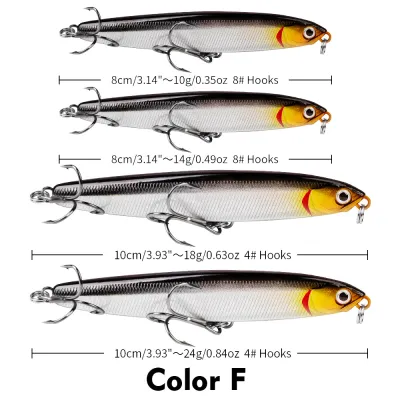
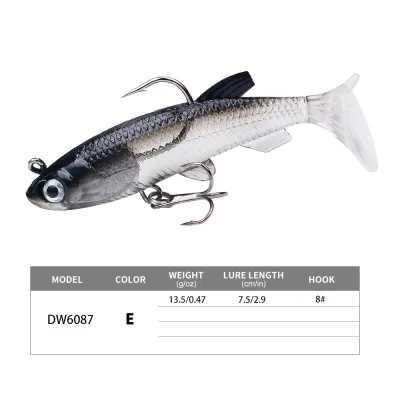
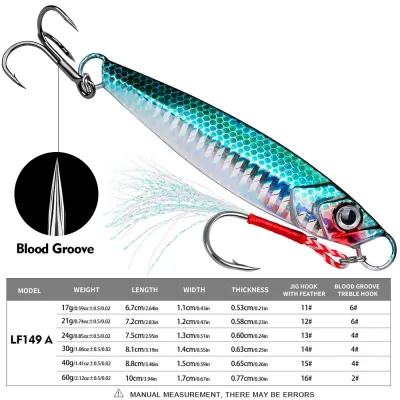
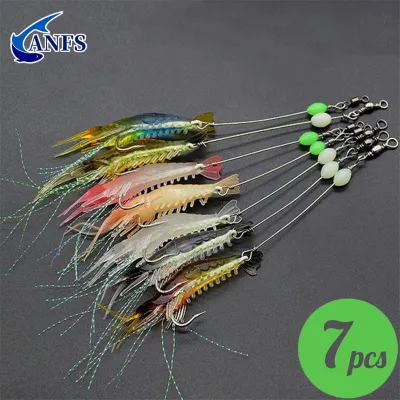
Prices are valid at publication and may change. Please refer to the product page for the latest price.
Different fish species feed at distinct depths. Some predatory fish patrol the surface looking for insects or injured baitfish, while others hover in mid-water columns or scavenge along the muddy bottom. Understanding whether your target species is a surface feeder or a bottom-dweller helps you select a lure designed to run at the correct depth.
Water clarity and underwater structure also dictate your choice. In clear water, fish rely heavily on sight, making realistic shapes and subtle actions necessary. In murky water or areas thick with submerged vegetation and rocks, you need lures that produce strong vibrations or feature weedless designs to avoid getting snagged on your very first cast.
Main Fishing Lure Categories and Beginner Friendliness
Fishing lures are designed to trigger a predatory fish’s hunting instincts by mimicking the movement, flash, or silhouette of natural prey like baitfish, shrimp, or frogs. For a beginner, the easiest lures to use are those that do the work for you, producing an enticing action during a simple, straight retrieve.

Evaluating the learning curve of each category involves looking at how difficult the lure is to rig and how easily it snags. While some lures require intricate knots or precise rod tip twitches to look alive, others only require you to turn your reel handle. Starting with high-forgiveness categories builds confidence and keeps you fishing instead of untangling gear.
Soft Plastics and Jigs
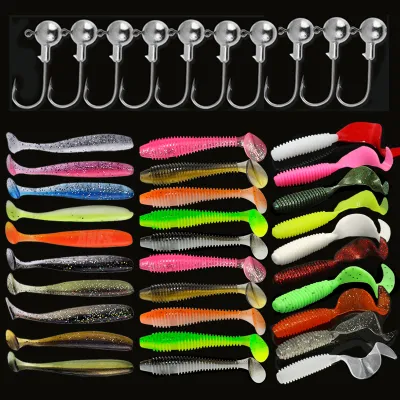
Soft plastic lures, such as paddletail grubs or worm imitations, are incredibly versatile and cost-effective. By pairing a soft plastic body with a weighted jig head, you can fish at almost any depth. To minimize snags in areas with heavy weeds or submerged timber, you can rig these lures weedlessly by burying the hook point slightly back into the soft plastic body.
- Rigging for Cover: Use a weedless setup to protect the hook point from snagging on submerged plants.
- Retrieval Style: Try a slow lift-and-drop motion along the bottom to mimic dying prey.
- Weight Verification: Check the jig head packaging to ensure the hook size matches the length of your soft plastic body.
Retrieving soft plastics allows for great flexibility. You can drag them slowly along the bottom, hop them up and down with gentle rod lifts, or swim them steadily through mid-water. If the fish are sluggish due to cooler weather or high pressure, slowing down your retrieval speed often coaxes them into biting.
Hard Body Lures (Crankbaits and Minnows)
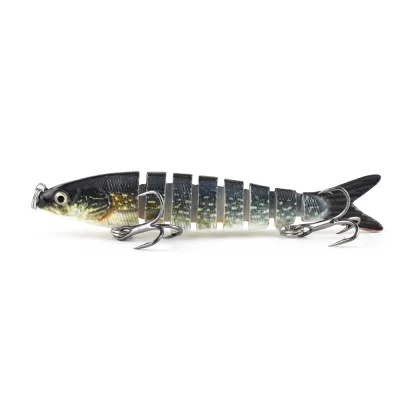
Hard body lures, made of molded plastic or wood, feature a plastic lip or bib at the front that forces the lure to dive and wiggle when pulled through the water. This built-in action makes them highly effective for beginners who are still mastering rod control.
- Buoyancy Check: Verify if the lure floats, suspends, or sinks when paused by reading the packaging specifications.
- Rod Position: Keep the rod tip low to achieve the maximum rated diving depth during your retrieve.
- The Pause Technique: Stop reeling for two seconds every few meters to let the lure float up or suspend, which often triggers strikes.
Before casting, read the specifications on the packaging to identify the lure’s diving depth and buoyancy. Floating minnows will sit on the surface until you retrieve them, while sinking models will descend slowly. Knowing these specs prevents you from casting a deep-diving crankbait into shallow, rocky water where it will immediately snag.
Spoons and Inline Spinners
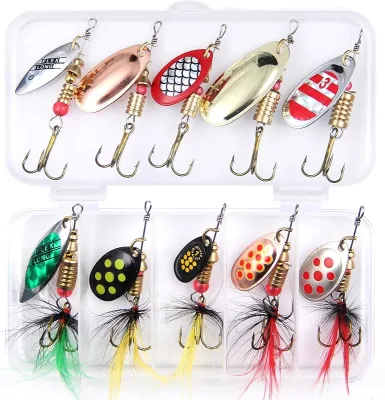
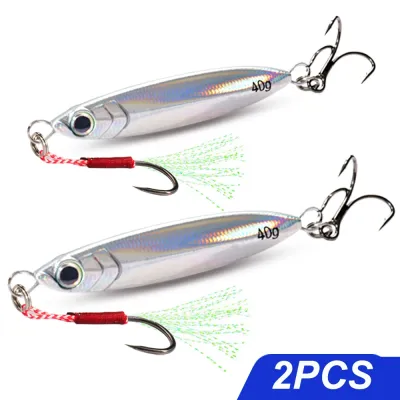
Metal lures, including spoons and inline spinners, are classic beginner choices because they are heavy, aerodynamic, and cast exceptionally far even in windy conditions. Their shiny surfaces flash in the water, mimicking the scales of a fleeing baitfish and attracting opportunistic predators from a distance.
- Line Protection: Always use a high-quality barrel swivel to prevent the spinning lure from twisting your line.
- Speed Control: Retrieve just fast enough to feel the blade's vibration through your rod handle.
- Weight Selection: Choose lighter metal lures for shallow streams and heavier options for deep reservoirs.
Select the weight of your metal lure based on your target casting distance and the depth of the water. Heavier spoons sink quickly and are excellent for deep water or fast currents, whereas lighter inline spinners are better suited for shallow streams or pond margins where you want to avoid hitting the bottom too quickly.
Matching Lures to Your Rod, Reel, and Line Setup
A common mistake for beginners is buying lures without checking if their existing rod and reel can actually cast them. Every fishing rod has a recommended lure weight rating printed on the blank, usually just above the handle. Attempting to cast a lure that is too heavy can overload and snap the rod, while a lure that is too light will not load the rod blank, resulting in extremely short, frustrating casts.
Your fishing line must also match the scale of your lure and target species. Heavy, thick monofilament or fluorocarbon lines have high stiffness that restricts the natural, delicate movement of small lures. Conversely, using an ultra-thin line with a heavy, deep-diving lure can cause the line to snap during a hard cast or when fighting a fish near underwater obstacles.
For a balanced setup, match light lures under 7 grams with light rods and lower-diameter lines, such as a 4lb to 8lb monofilament or a thin braided line with a fluorocarbon leader. If you are targeting larger species in heavy cover with heavier lures, scale up to a medium-action rod and a stronger line to ensure you can control the fish without breaking off.
Building a Versatile Starter Lure Selection
Instead of buying expensive bulk packs of a single lure type, allocate your starter budget—perhaps around S$30 to S$50—across a few distinct categories. Purchasing two soft plastic packs with matching jig heads, one inline spinner, and one floating minnow gives you the versatility to fish different depths and water conditions without overspending.
When choosing colors, let the water clarity guide your selection. In clear reservoirs or coastal waters, opt for natural, translucent, or silver patterns that mimic local baitfish or shrimp. If you are fishing in muddy ponds or stained canals, high-visibility colors like chartreuse, bright orange, or solid black will help fish locate your lure through visual contrast and silhouette.
If your local fishing spots are filled with submerged structures, rocks, or heavy weeds, prioritize snag-resistant designs. Weedless rigged soft plastics or lures with single hooks instead of treble hooks will save you money and frustration by sliding over obstacles rather than grabbing them.
Finally, visit a local tackle shop to ask for advice. The staff can provide invaluable, seasonal recommendations about what local species are feeding on and which specific lure actions are working best in nearby waterways. This localized knowledge is often the shortcut to your first successful catch.
Frequently Asked Questions (FAQ)
Do I need expensive lures to catch fish as a beginner?
No, you do not need high-priced, premium lures to catch fish. Predatory fish react to the movement, size, vibration, and presentation of a lure rather than its brand name or price tag. In fact, starting with affordable, reliable options is highly recommended because beginners are likely to lose several lures to underwater snags while learning how to cast and navigate different depths. Saving your budget for basic, effective designs allows you to practice without the fear of losing expensive gear.
How do I know which lure color to use?
The simplest rule of thumb is to match your lure color to the water clarity. In clear water under bright sunlight, use natural, realistic colors like silver, olive, or translucent brown to mimic local prey without raising suspicion. In murky, stained, or deep water where visibility is low, switch to bright, high-contrast colors like chartreuse or solid dark colors like black, which create a distinct silhouette that fish can easily target.

Community discussion
Share your experience or ask a question. Comments are reviewed before publication.