
Navigating the world of fishing tackle can feel like learning a completely new language. When browsing online marketplaces or walking into a local tackle shop, you are confronted with a dizzying array of numbers and technical terms printed on every rod blank and reel box. For a beginner, trying to decode all of these specifications at once often leads to decision paralysis. Fortunately, you do not need to master every engineering detail to catch your first fish. By focusing on just a few fundamental specifications—rod power, rod action, reel size, and gear ratio—you can easily select a versatile, reliable setup that matches your local environment and target species.
Decoding Fishing Rod Specs: Power, Action, and Length
The fishing rod acts as an extension of your arm, determining how far you can cast, how well you can control your lure, and how much leverage you have when fighting a fish. The first key specification to look for is rod power, which describes the rod’s overall stiffness and resistance to bending. Rod power ranges from ultra-light to extra-heavy. For general beginner use in local reservoirs or coastal spots, a medium-light or medium power rod is highly versatile. This rating directly dictates the recommended weight of the fishing line and lure you can safely use without risking a structural break. You can find these limits printed clearly just above the rod handle.
Rod action describes where the rod bends when pressure is applied. A fast-action rod bends primarily near the tip, allowing for quick hook sets and sensitive bite detection, which is ideal when using soft plastic lures. A slow-action rod bends much further down the blank, absorbing the shock of a fighting fish and making it easier to cast lightweight baits longer distances. Beginners typically find moderate to fast-action rods the easiest to control, as they offer a balanced blend of casting accuracy and responsiveness.
Products mentioned in this guide
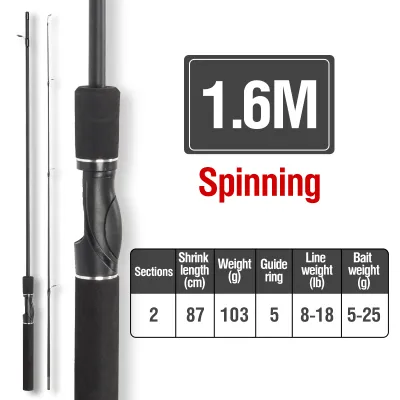
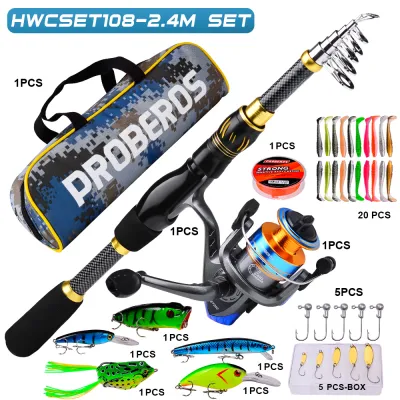
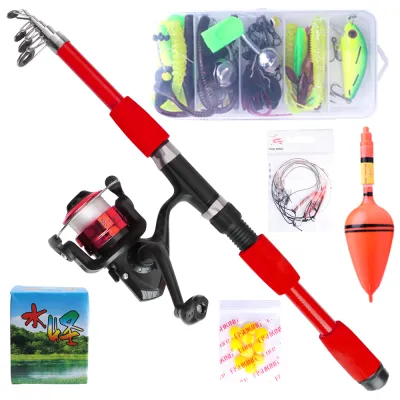
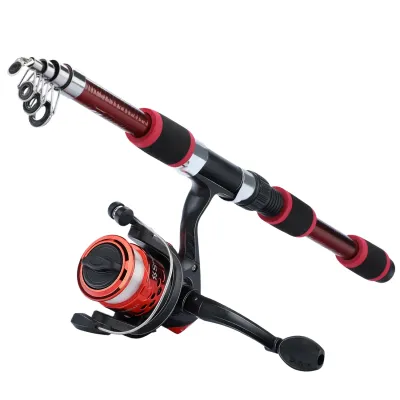
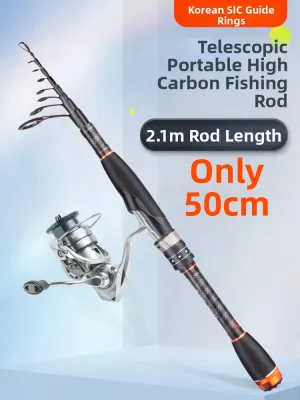
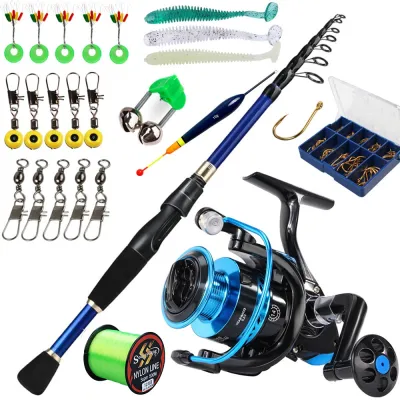
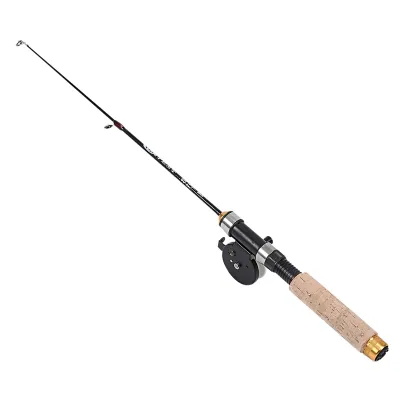
Prices are valid at publication and may change. Please refer to the product page for the latest price.
Finally, rod length plays a critical role in both casting distance and maneuverability. Longer rods, typically measuring 7 feet (about 2.1 meters) or more, allow you to cast much further because they generate higher tip speed. However, they can be difficult to manage in tight spaces, such as under overhanging trees at a reservoir bank or on a crowded jetty. A shorter rod, around 6 to 6.5 feet, offers superior accuracy and leverage, making it much easier to handle for those still perfecting their casting technique.
Understanding Fishing Reel Specs: Gear Ratio and Size
The fishing reel is responsible for storing your line, retrieving your lure, and managing the tension when a fish pulls back. When evaluating a spinning reel, the gear ratio is one of the most prominent specifications you will encounter. Expressed as a set of numbers like 5.2:1 or 6.2:1, the gear ratio indicates how many times the internal spool rotates for every single full turn of the handle. A higher first number means a faster retrieve speed, which is helpful for quickly bringing in loose line or working fast-moving lures. For beginners, a moderate gear ratio between 5.0:1 and 6.0:1 provides the perfect balance of retrieval speed and cranking power.

Reel size is another critical specification, usually designated by thousands (such as 1000, 2500, or 4000) depending on the manufacturer. Smaller reels are lighter and designed for thin lines and smaller fish, while larger reels hold more line and offer stronger drag systems for fighting larger species. A 2500 or 3000-size spinning reel is widely considered the sweet spot for beginners, offering enough line capacity for most freshwater and light saltwater scenarios without adding unnecessary weight to your setup.
Before finalizing your choice, always check the manufacturer’s line capacity ratings printed on the reel spool. These ratings tell you exactly how many meters of a specific line thickness (either monofilament or braided line) the spool can safely hold. Overfilling or underfilling a reel can lead to severe line tangles and reduced casting distance. Ensuring your chosen line matches these specifications is essential for smooth, trouble-free operation on the water.
Matching Your Gear to Target Fish and Fishing Environments
Building a balanced fishing setup requires pairing your rod and reel specifications so they work in harmony. If you pair a heavy, stiff rod with a tiny 1000-size reel, the setup will feel awkward, cast poorly, and tire your wrist quickly. Conversely, putting a massive saltwater reel on an ultra-light rod can easily damage the rod blank under pressure. A reliable starting point for general use is matching a medium-power rod with a 2500 or 3000-size reel, spooling it with a moderate-strength braided line.
Your local fishing environment should also guide your specification choices. If you plan to fish in calm freshwater reservoirs, a lighter, highly sensitive setup allows you to cast small lures accurately. If you are heading to coastal jetties or concrete breakwaters, you will need a slightly longer rod to clear edge obstructions and a reel with better sealing to protect against saltwater corrosion. For offshore boat trips, where you may encounter deep water and strong currents, heavier rod power and larger reel capacities become mandatory to handle the increased physical strain.
Remember that specialized gear cannot replace safety training, situational awareness, and proper personal flotation devices when fishing near deep water or slippery coastal rocks. Always assess the weather conditions and your own physical limits before heading out. Regardless of the specifications on paper, verify the physical balance of the combo before making a purchase. When you mount the reel onto the rod, the entire setup should feel balanced in your hand, with the center of gravity resting near the top of the reel seat.
Specs Beginners Can Safely Ignore When Shopping
When browsing online marketplaces, it is easy to get distracted by high-tech marketing terms and premium specifications. Features like double-digit ball bearing counts, specialized carbon-fiber drag washers, or exotic guide ring materials are often highlighted to justify premium price tags. For a beginner, these ultra-specific details offer marginal real-world benefits. A reel with five high-quality bearings will often perform more smoothly and last longer than a budget reel boasting twelve low-grade bearings.
Standard, mid-range components are more than sufficient for learning the fundamentals of casting, line management, and fish fighting. A budget of S$50 to S$120 is typically more than enough to secure a durable, entry-level combo. Instead of obsessing over minor material upgrades, prioritize overall build quality, structural durability, and reliable manufacturer warranty support. Choosing a straightforward, well-reviewed setup from an established brand ensures you spend your time learning how to read the water rather than troubleshooting complex gear failures.
Frequently Asked Questions (FAQ)
Does a higher price always mean better rod and reel specs?
Premium price tags usually reflect specialized materials, extreme weight reduction, or highly niche performance characteristics. For someone just starting out, these advanced features do not translate to more fish caught. Reliable, mid-tier options from established brands offer excellent durability and standard specifications at a fraction of the cost, making them the smartest investment for beginners.
How do I know if a rod and reel combo is balanced?
You can perform a simple finger-balance test at home or in a tackle shop. Place your index finger horizontally under the rod blank, just in front of the mounted reel seat. If the rod remains relatively level without tipping dramatically toward the tip or the butt, the setup is well-balanced. A balanced outfit significantly reduces wrist fatigue during long casting sessions.

Community discussion
Share your experience or ask a question. Comments are reviewed before publication.