
Selecting the right fishing sinker is a fundamental skill that directly influences how your bait behaves in the water, how deep it sinks, and how easily a fish can take the hook. The most suitable sinker shape and weight depend on your target species, the water depth, current strength, and the underwater terrain you are fishing. Matching these variables ensures your rig stays in the strike zone without snagging or spooking the fish. Always assess water conditions and your wading or boating ability before casting; safety equipment and personal judgment are your primary protection, which tackle cannot replace.
Core Sinker Shapes and Their Best Applications
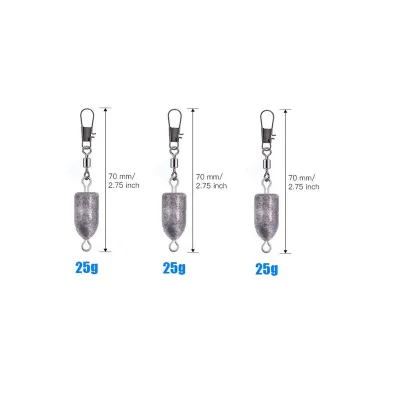
Bullet and egg sinkers: Bullet sinkers are cone-shaped weights designed to slide freely along your fishing line. Their tapered profile allows them to slip through thick aquatic vegetation, submerged weeds, and brush piles without getting hung up. Anglers frequently pair bullet sinkers with soft plastic lures in weedless rigs to navigate dense cover.
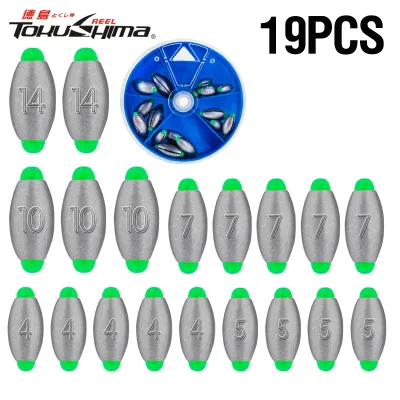
Egg sinkers are rounded, oval-shaped weights with a hole drilled through the center. They are primarily used for bottom-bouncing techniques where you want your bait to drift naturally along the lake or riverbed. Because the line slides through the center of the egg sinker, a biting fish can pull the bait without feeling the immediate resistance of the weight, increasing your hook-up rate.
Products mentioned in this guide
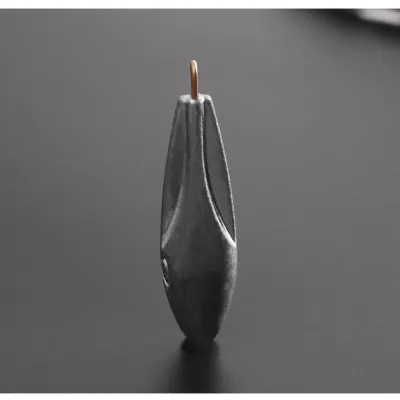
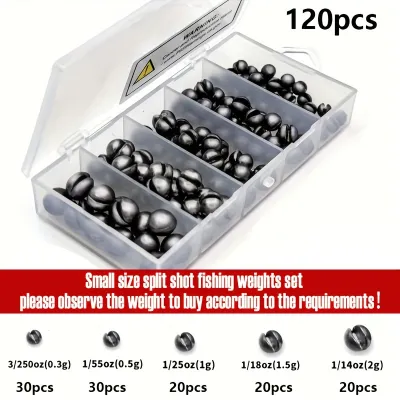
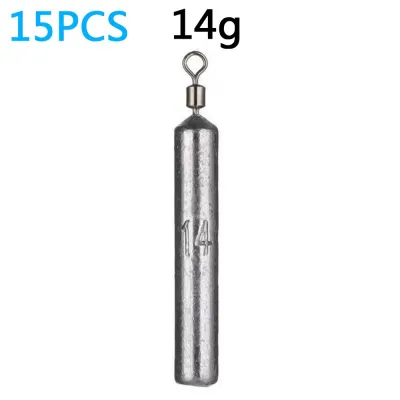
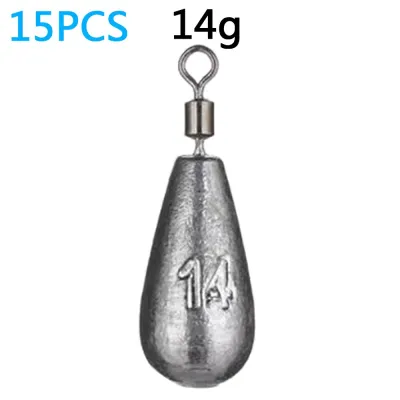
Prices are valid at publication and may change. Please refer to the product page for the latest price.
Split shot and bell sinkers: Split shot sinkers are small, round weights with a slit cut halfway through them, allowing you to pinch them directly onto your fishing line. They offer high versatility for light-line applications, enabling quick, subtle depth adjustments without the need to re-tie your entire rig. These are ideal for calm waters, stream fishing, or when you need just enough weight to slowly sink a live bait under a bobber.
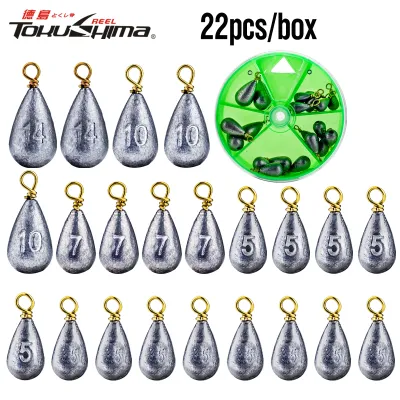
Bell sinkers feature a rounded body with a brass or plastic eyelet at the top. They are designed to hang from a dropper loop or a three-way swivel, keeping the weight below your bait. This design allows the sinker to bounce along sandy or muddy bottoms while keeping your hook suspended slightly higher in the water column where fish are actively feeding.
Pyramid and bank sinkers: Pyramid sinkers are inverted four-sided pyramids with a line tie at the flat base. When cast into moving water, the flat sides dig into the sand or mud, providing strong anchoring power against currents and heavy surf. This shape is a staple for coastal anglers who need their bait to remain stationary in turbulent coastal waters.
Bank sinkers are teardrop-shaped with flat sides and a molded eyelet at the top. The flat sides prevent the weight from rolling along the bottom in moderate currents, while the smooth, tapered shape makes them less prone to snagging in rocky or gravelly environments. They are effective for deep-water bottom fishing from boats or piers where maintaining a vertical presentation is crucial.
Decoding Sinker Weight and Material Specifications
Weight selection logic: Choosing the correct weight requires balancing casting distance, current speed, and bait sensitivity. A weight that is too light will fail to reach the desired depth or will drift away from your target area in the current. Conversely, an excessively heavy sinker dampens the vibrations traveling up your line, making it difficult to detect subtle bites and causing the bait to look unnatural.

As a general rule, you should use the lightest sinker that still allows you to maintain consistent contact with the bottom or keep your bait in the target zone. In calm, shallow lakes, a tiny split shot may be all you need to present a worm naturally. In deep, fast-flowing rivers or heavy ocean surf, you may need several ounces of weight to anchor your rig securely.
Material trade-offs: Traditionally, lead has been the standard material for fishing sinkers due to its high density and ease of molding. However, alternative materials like tungsten, brass, steel, and bismuth are increasingly popular. Tungsten is significantly denser than lead, allowing for a much smaller profile at the same weight, which reduces water resistance and increases sensitivity when dragging across hard bottoms.
For casual, shallow-water fishing, these extreme density differences matter less, and more affordable steel or brass alternatives perform admirably. Brass and steel are harder than lead, producing a distinct clicking sound when they bump against rocks, which can sometimes attract curious fish. Bismuth offers a non-toxic option with a density closer to lead, making it a reliable direct substitute.
Environmental checks: Before heading out, it is essential to verify local environmental regulations regarding sinker materials. Many jurisdictions have implemented strict bans on small lead sinkers to protect waterfowl and other wildlife from accidental ingestion. Always check manufacturer labels and local fishing guides to ensure your tackle complies with regional conservation laws.
Matching Sinkers to Specific Fishing Conditions
Water movement: The dynamics of the water you are fishing dictate the shape of the sinker you should select. In still lakes and slow-moving ponds, rounded shapes like egg or split shot sinkers work best because they offer minimal resistance and allow for a natural presentation. In fast-flowing rivers or coastal surf, you must switch to high-drag, anchoring shapes like pyramid or claw sinkers that actively dig into the substrate to hold your position.
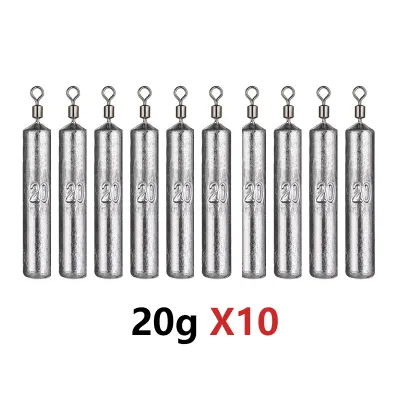
Bottom composition: The physical makeup of the bottom determines how likely your rig is to snag. For soft, muddy bottoms, a wide, flat bank sinker or a light egg sinker will slide along the surface without sinking deep into the silt. In rocky or gravel-strewn areas, slender, elongated sinkers or walking weights are preferred because their narrow profiles are less likely to wedge into tight crevices. When fishing in heavy weeds, streamlined bullet sinkers are a practical choice to prevent vegetation from wrapping around your line.
Visibility and light: Water clarity and light penetration can also influence your sinker choice. In crystal-clear water, highly reflective metallic sinkers can spook wary fish, making matte, dark-colored, or painted green and brown sinkers a better choice to blend in with the natural surroundings. In murky or stained water, some anglers prefer unpainted brass or shiny nickel-plated sinkers to add a subtle flash that helps fish locate the bait in low-visibility conditions.
Rigging and Attachment Methods for Optimal Performance
Sliding vs. fixed rigs: Understanding when to use a sliding rig versus a fixed rig is key to presentation. Sliding rigs, which utilize inline bullet or egg sinkers, allow the line to pass freely through the weight when a fish bites. This is highly effective for cautious species that will drop the bait if they feel sudden resistance. Fixed rigs, where the sinker is clamped or tied directly to a specific spot on the line, are better for active techniques where you want immediate hook penetration the moment a fish strikes.
Attachment hardware: To protect your line and ensure your rig functions correctly, always use appropriate attachment hardware. When rigging a sliding sinker, place a soft plastic bead between the weight and your swivel to act as a shock absorber, preventing the heavy sinker from battering and weakening your knot. For fixed rigs, ensure that crimping sleeves or split shots are compressed just enough to hold their position without pinching or nicking the delicate monofilament or fluorocarbon line.
Stop conditions: If you notice any fraying, flattening, or structural damage to your fishing line during the rigging process, stop immediately. Do not cast a damaged line, as the stress of casting or fighting a fish will likely cause it to snap. Cut away the damaged section, inspect your sinker’s inner bore for sharp burrs, and re-tie the rig using fresh line and smooth, undamaged hardware.
Frequently Asked Questions (FAQ)
How do I safely remove and store split shot sinkers?
To remove a split shot without damaging your line, use a dedicated pair of fishing pliers or a split-shot removal tool to gently squeeze the small ears on the back of the sinker. This opens the split, allowing the weight to slide off easily without scraping the line. Store your sinkers in a dry, compartmentalized tackle box to prevent moisture buildup, which can cause lead to oxidize or steel to rust.
Can I use the same sinker for both freshwater and saltwater?
While many sinkers can transition between freshwater and saltwater, you must check the manufacturer’s specifications for corrosion resistance. Saltwater is highly corrosive, so look for sinkers made of brass, stainless steel, or those with protective coatings. After any saltwater outing, thoroughly rinse all your sinkers and rigging hardware with fresh water and let them dry completely before storing them to prevent rust from spreading.
What signs indicate my sinker weight is too heavy or too light?
If your sinker is too light, you will notice excessive line slack, your bait drifting rapidly away from the target area, or an inability to feel the bottom. If it is too heavy, your bait will drag lifelessly along the bottom, your rod tip will bend excessively under the dead weight, and you will struggle to feel the subtle taps of a biting fish. Adjust your weight incrementally until you achieve a balanced, natural drift.

Community discussion
Share your experience or ask a question. Comments are reviewed before publication.