
Bringing a commercial-grade workout experience into a Singapore Housing & Development Board (HDB) flat is a common goal for fitness enthusiasts, but it requires careful spatial planning. A Life Fitness treadmill can physically fit into a typical HDB flat, provided you select a model compatible with your layout and plan for the necessary safety clearances. Because these machines are engineered for durability and stability, they often feature larger footprints and heavier frames than entry-level folding treadmills, making pre-purchase measurements essential.
Successfully integrating this equipment into your home involves balancing the physical dimensions of the machine with your daily living space. You must account not only for the static footprint of the treadmill but also for the dynamic space required while running, the clearance needed for safety, and the logistics of delivering a heavy, bulky item through standard HDB corridors and doorways. By taking a systematic approach to measurement and layout, you can create a safe, functional home gym setup without compromising the comfort of your household.
Assessing Your HDB Flat's Available Space
Before browsing specific treadmill models, you must accurately evaluate the room or corner where you plan to place the equipment. Start by using a reliable measuring tape to map out the length, width, and ceiling height of the designated area. Newer HDB Build-To-Order (BTO) flats often feature more compact room configurations, meaning every centimeter counts when planning your layout.
Products mentioned in this guide
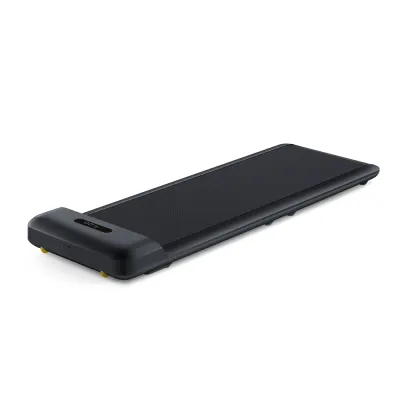
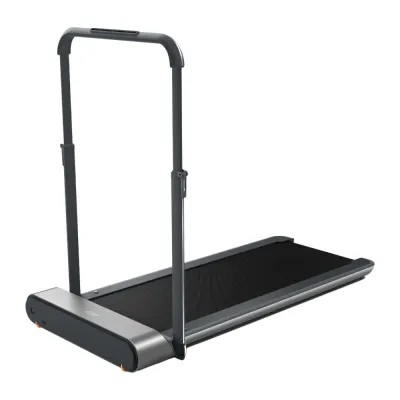
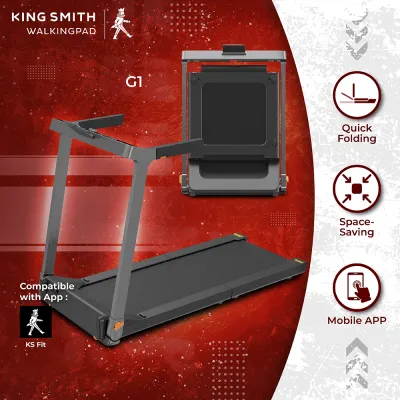
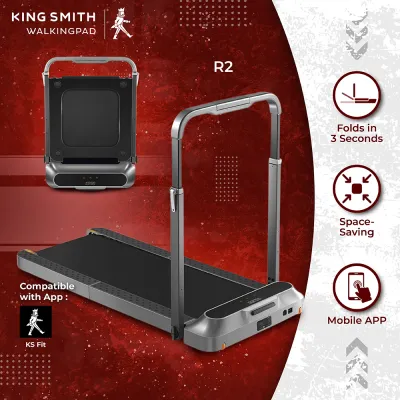
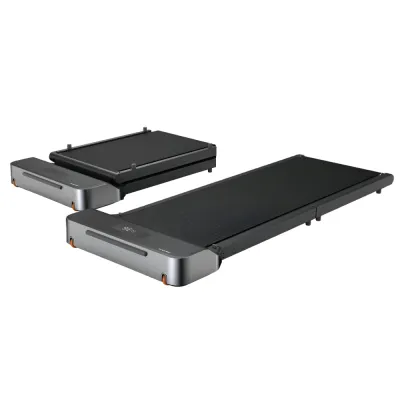
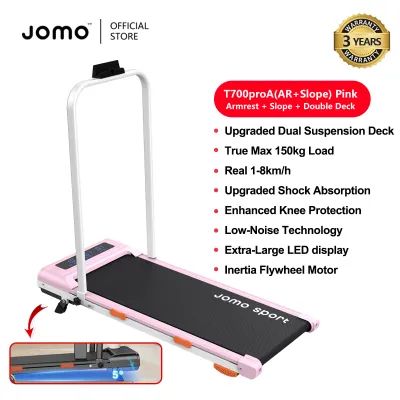
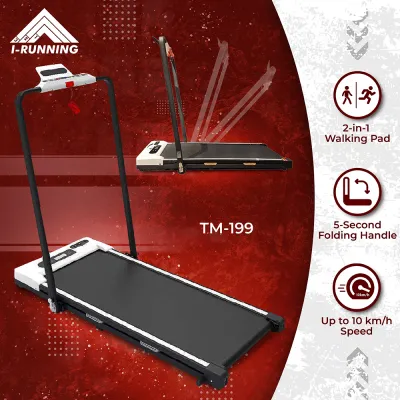
Prices are valid at publication and may change. Please refer to the product page for the latest price.
Identify whether the treadmill will reside in a dedicated workout room, a spare bedroom, or a multi-purpose zone like the living room. In shared spaces, you must visualize how the treadmill will coexist with existing furniture, such as sofas, dining tables, and television consoles. Ensure that the placement does not obstruct the natural flow of daily traffic or block access to built-in wardrobes and storage units.
Do not forget to account for door swings and window openings. A treadmill positioned too close to a bedroom door can prevent it from opening fully, creating a safety hazard and a daily inconvenience. If you plan to place the machine near a window, verify that you can still access the window handles easily for ventilation without having to climb onto the treadmill deck.
Verifying Life Fitness Treadmill Dimensions and Clearances
Once you have mapped your room, you must verify the exact specifications of your chosen Life Fitness treadmill model. Check the manufacturer’s official product sheet for the precise length, width, and weight of the machine. Keep in mind that the running deck’s surface area is smaller than the overall footprint of the machine, which includes the motor cover, console, and side handrails.

Safety clearances are non-negotiable when installing a treadmill at home. Manufacturers generally recommend leaving a clear, unobstructed space of at least two meters behind the treadmill belt. This safety zone is critical in case you lose your footing or fall while running, as it prevents you from being trapped between the moving belt and a wall. Additionally, aim for at least half a meter of clearance on both sides of the machine for easy mounting and dismounting.
Ceiling height is another crucial factor that is easily overlooked. To calculate the required vertical clearance, add the height of the treadmill deck (the distance from the floor to the running surface) to your own height, plus an extra 15 to 20 centimeters to account for your vertical bounce while running. If you plan to use the incline feature, check the maximum incline height specification in the manual and add this to your calculation to ensure you will not strike your head against the standard 2.6-meter HDB ceiling.
Navigating Delivery: Doorways, Corridors, and Elevators
Getting a heavy Life Fitness treadmill into your HDB flat requires careful logistical planning before the delivery truck arrives. These machines are often shipped in large, heavy boxes that may not easily navigate tight spaces. You must measure the width and height of your flat’s main entrance, bedroom doors, and any internal corridors to ensure the boxed or partially assembled unit can pass through.
Next, evaluate the journey from the loading bay to your front door. Measure the dimensions of the HDB elevator cabin, including the door opening width, internal depth, and height. Check the elevator’s weight capacity plate to ensure it can safely transport both the delivery team and the heavy equipment, as some premium treadmills can weigh well over 100 kilograms.
If your flat is located at the end of a narrow corridor or requires navigating tight corners, inform the retailer or delivery team in advance. In some cases, the delivery technicians may need to unbox the treadmill in the lift lobby or partially disassemble the console and handrails to negotiate tight turns. Confirm whether the retailer provides professional on-site assembly and installation services, as this is highly recommended for heavy fitness equipment.
Layout Strategies for Compact Rooms and Shared Spaces
To make your treadmill workouts enjoyable without disrupting your household, position the machine to maximize natural light and ventilation. Placing the treadmill near a window or balcony door allows for fresh air circulation, which is essential during intense cardio sessions in Singapore’s warm climate. If natural ventilation is limited, position a floor fan nearby to keep air moving.
Consider the viewing angles within the room. If you enjoy watching television or following virtual running apps during your workouts, position the treadmill console with a clear line of sight to your screen or tablet mount. Avoid placing the machine directly opposite a bright window where glare might make the console screen difficult to read.
Cable management is vital for safety in compact spaces. Position the treadmill as close as possible to a dedicated wall power outlet to avoid running long extension cords across the floor, which can present a serious tripping hazard. If you must run a cable across a walkway, use a heavy-duty rubber floor cable protector to secure the wire and keep the pathway safe for everyone in the home.
Common Space-Planning Mistakes to Avoid
One of the most frequent errors is confusing a treadmill’s folded footprint with its active, in-use footprint. If you are purchasing a folding model, remember that you still need the full safety clearance behind the machine whenever it is unfolded and operational. Never assume a folding treadmill solves all space constraints without measuring both states.
Another mistake is placing the treadmill too close to walls or solid furniture to save space. This not only violates safety clearance guidelines but can also block access to the emergency stop safety key tether. The safety key must always have a clear, unobstructed path to your clothing so it can detach instantly and stop the belt if you fall.
Finally, do not overlook the impact of noise and structural vibration on your neighbors. High-density HDB living means that the impact of your feet striking the treadmill deck can easily transmit through the concrete floor to the unit below. Placing the machine directly on bare tiles or vinyl flooring without any dampening can lead to noise complaints and potential floor damage.
Frequently Asked Questions (FAQ)
Do I need a specialized equipment mat for my treadmill?
Yes, using a specialized equipment mat is highly recommended when installing a treadmill in an HDB flat. A dense, heavy-duty rubber mat helps protect your flooring—whether it is parquet, vinyl, or homogeneous tiles—from scratches, indentations, and sweat. More importantly, a high-quality mat dampens the structural vibrations and impact noise generated while running, helping to maintain a quiet environment for your family and neighbors downstairs.
Can I place a treadmill inside an HDB household shelter?
While it is physically possible to place a treadmill inside an HDB household shelter, it is generally not recommended for active workouts. These shelters are designed with thick concrete walls and heavy steel doors, which severely limit natural ventilation and air circulation, leading to a stuffy and uncomfortable exercise environment. Additionally, HDB regulations strictly prohibit any drilling, hacking, or structural modifications to the walls or ceiling of the household shelter, which limits your ability to install wall-mounted fans, mirrors, or additional power outlets.

Community discussion
Share your experience or ask a question. Comments are reviewed before publication.