
Yes, a compact walking pad can easily integrate into a Singapore HDB flat, but success depends on matching the specific model’s footprint with your flat’s layout and clearance. Because HDB layouts prioritize efficient use of space, fitting fitness equipment is not just about finding an empty corner. You must evaluate both the active footprint when the machine is running and its folded dimensions when tucked away.
Every model under the Xiaomi ecosystem has slightly different dimensions, folding mechanisms, and clearance requirements. To avoid buying a machine that blocks your main walkways, you should always verify the exact product specifications on the manufacturer’s official store or user manual before making a purchase.
How to Measure Your Space Accurately Before Buying
Before ordering your walking pad, grab a measuring tape and map out the exact zone where you plan to exercise. Do not just measure the physical length and width of the machine itself. You must account for a safety buffer zone around the perimeter. Manufacturers typically recommend leaving a clear space of at least 0.5 meters on both sides and up to 1.5 meters behind the walking pad. This buffer ensures you can safely mount and dismount the machine, and provides a safe zone in case you lose your balance or slip during a workout.
Products mentioned in this guide
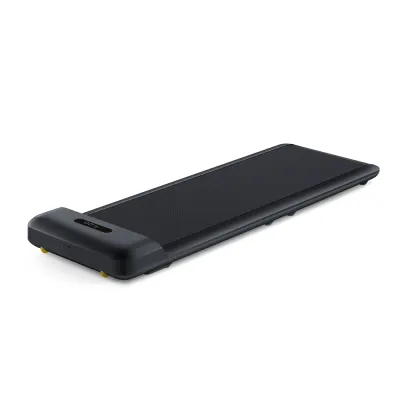
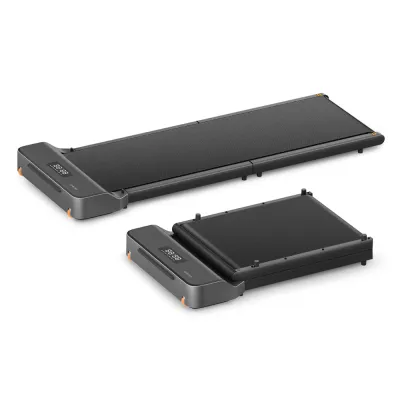
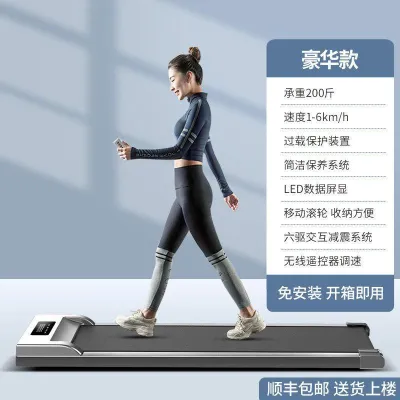
Prices are valid at publication and may change. Please refer to the product page for the latest price.
Next, consider the journey of the machine from the delivery truck to its final spot. Measure your HDB main door, bedroom doorways, corridor turns, and even the lift dimensions. Some walking pads are delivered in large, heavy boxes that require wide turning radiuses. Ensuring the packaged unit can navigate tight corridor corners or standard HDB lift doors prevents delivery day headaches.
Finally, do not forget to look up. While walking pads are generally low-profile, some models feature upright handlebars, phone holders, or foldable consoles. If you plan to place the machine in a room with low-hanging ceiling fans, decorative light fixtures, or false ceilings, measure the total height. Ensure that when you stand on the running deck, your head remains a safe distance from any ceiling fixtures.
Evaluating Common HDB Room Layouts for Placement
HDB flats, from cozy 2-room Flexi units to spacious 5-room layouts, present unique spatial trade-offs. Deciding where to place your walking pad involves balancing communal convenience with personal privacy. High-traffic areas like the living room offer more breathing room but can disrupt household flow, while private rooms offer a quiet workout environment at the expense of floor space.

When studying your floor plan, trace the natural walking paths your family takes daily. A walking pad should never force family members to squeeze past furniture or step over cords. Most importantly, ensure that emergency exits, main entryways, and your household shelter door remain completely unobstructed at all times. The heavy steel door of an HDB household shelter must be able to swing fully open without hitting any fitness equipment.
Living Room and Dining Area Integration
The living room is often the most popular spot for a walking pad because it allows you to catch up on your favorite shows or keep an eye on the family while exercising. If you integrate the machine here, consider placing it parallel to your sofa or directly in front of the television console. This alignment helps maintain clean visual lines and prevents the room from looking cluttered.
However, you must ensure the active walking zone does not block the main walkway connecting the living room to the kitchen or bedrooms. If your dining area is underutilized, you might also consider placing the pad alongside the dining table, provided there is enough clearance to pull out chairs. To minimize visual clutter when the machine is not in use, choose a spot where the folded unit can easily slide under a low-profile sofa or stand neatly against an unused wall.
Bedroom and Home Office Setups
For those who prefer a distraction-free workout or want to walk during remote work meetings, the bedroom or home office is an ideal location. In a standard HDB bedroom, space is often limited by queen-sized beds and built-in wardrobes. When planning your layout, make sure the walking pad does not block wardrobe doors from opening fully or restrict access to bedside tables.
Ventilation is another critical factor in smaller, enclosed rooms. Exercising in a confined space can quickly lead to stuffiness and high humidity. Position your walking pad in line with the airflow from your air-conditioning unit or standing fan to keep cool. If you are placing the machine under a standing desk in your home office, double-check that the desk height can adjust sufficiently to accommodate both the height of the walking pad deck and your own height while walking.
Managing Storage and Daily Movement Clearance
One of the main selling points of a walking pad is its ability to fold, making it highly suitable for HDB living. To maximize your living space, look for storage opportunities under existing furniture. Measure the clearance height under your bed frame or sofa before buying; many flat-folding models require at least 15 to 20 centimeters of clearance to slide underneath smoothly.
If under-furniture storage is not an option, vertical storage is a highly efficient alternative. Many walking pads are designed to stand upright against a wall or inside a utility closet. When storing the unit vertically, always consult the manufacturer’s guidelines to ensure it is balanced correctly and cannot easily tip over. If the model requires a wall-mounting bracket or safety strap for vertical storage, ensure it is securely installed to protect children and pets.
While folding the machine away is convenient, consider the physical effort involved. Moving a heavy machine every single day can create friction that discourages you from working out. Try to plan a dedicated storage spot that is only a few steps away from your active workout zone, allowing you to roll the machine into place on its built-in wheels with minimal effort.
Safety, Flooring, and Structural Checks
Before you start logging steps, you must address the physical impact of the machine on your HDB flat’s infrastructure. While walking pads are lighter than commercial treadmills, they still exert concentrated pressure. If you live in an older flat or have installed raised flooring like laminate, vinyl, or engineered wood, check the equipment’s weight and consult housing guidelines to ensure your floor can handle the load.
To protect your flooring from scratches, scuffs, and indentation marks, always place a high-density equipment mat underneath the walking pad. A proper mat also serves a secondary, crucial purpose in HDB living: dampening vibration. The impact of your footsteps can travel through the floorboards, creating a low-frequency thudding sound for the neighbors below.
Electrical safety is another vital consideration. Ensure your walking pad is positioned close to a wall power outlet. Avoid stretching the power cord across high-traffic walkways, as this creates a serious tripping hazard and can damage the cord over time. Avoid using extension cords or multi-way adapters, as fitness equipment draws significant power and should ideally be plugged directly into a dedicated wall socket.
Frequently Asked Questions (FAQ)
Will the noise and vibration bother my downstairs neighbors?
Yes, noise and vibration can easily transfer through the concrete floor slabs of HDB flats. While the motor hum of a walking pad is generally quiet, the physical impact of your feet striking the deck creates low-frequency vibrations that travel downward. To minimize this, avoid exercising during quiet hours, such as late at night or early in the morning. Additionally, place a thick, high-density anti-vibration rubber mat under the machine to absorb the impact energy before it reaches the concrete structure.
Can I keep the walking pad on my balcony?
Keeping a walking pad on an open or semi-enclosed HDB balcony is generally not recommended. Singapore’s high humidity, intense direct sunlight, and sudden rain blow-ins can quickly damage the sensitive electronic components, motor, and running belt. Moisture can lead to rust and electrical short circuits, which may void your warranty. Before considering balcony placement, check the product’s IP (Ingress Protection) rating and read the manufacturer’s warranty terms, which typically restrict usage to climate-controlled indoor environments.

Community discussion
Share your experience or ask a question. Comments are reviewed before publication.