
Fitting a home cardio machine like the Jitsulife Ultra 2 into a Singapore Housing & Development Board (HDB) flat requires balancing fitness goals with space constraints. Because HDB layouts vary from compact 2-room Flexi flats to more generous 5-room or Executive apartments, there is no single answer to whether this machine will fit. Instead, determining suitability depends on verifying the equipment’s exact physical footprint, assessing your room’s layout, and planning for safe operational clearances. By systematically measuring your home and understanding the machine’s design, you can make an informed decision before purchasing.
Cardio equipment can transform your daily routine, but a machine that blocks walkways or lacks proper clearance becomes a safety hazard and an eyesore. In high-density housing, you must also account for factors beyond simple floor space, such as noise transmission to downstairs neighbors, ventilation in humid tropical climates, and the physical logistics of delivery through narrow corridors and lifts. This guide provides a step-by-step framework to help you measure, plan, and decide if this specific model aligns with your home’s layout.
Checking the Jitsulife Ultra 2 Dimensions and Foldability
Before making any furniture adjustments, you must locate the official manufacturer specifications for the Jitsulife Ultra 2. Look for the maximum length, width, and height of the machine when it is fully assembled and ready for use. These in-use dimensions represent the absolute minimum physical space the machine will occupy during a workout. Keep in mind that user height and stride length can also affect the vertical and horizontal space required, so check if the console or handles extend beyond the base footprint.
Products mentioned in this guide
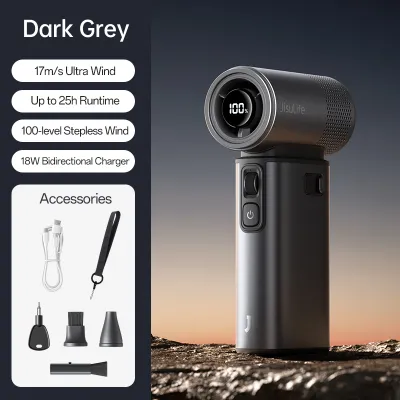
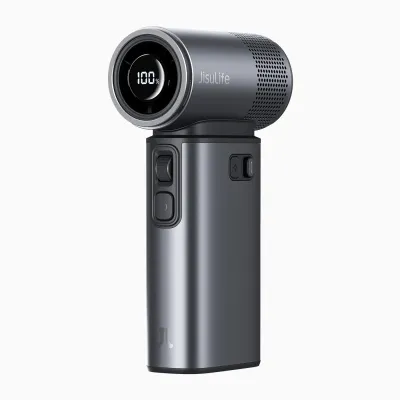
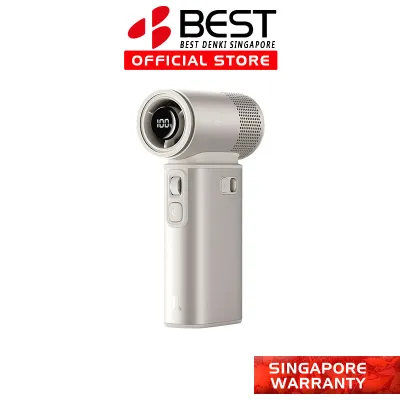
Prices are valid at publication and may change. Please refer to the product page for the latest price.
Next, evaluate the folding mechanism of this specific model. Some cardio machines fold completely flat to slide under a bed or sofa, while others fold upward at an angle, reducing floor length but increasing the vertical height profile. You should verify the manufacturer’s stated folded dimensions—specifically the folded length, width, and height—to determine where the machine can be stored when not in use. If you plan to store it in a tight space like an HDB household shelter or a bedroom corner, ensure the folded unit does not obstruct access to doors or safety exits.
The physical weight of the equipment and its transport wheel configuration are equally critical for daily usability. Check the product manual or spec sheet for the total net weight of the machine. A heavy unit can be exceptionally difficult to maneuver on your own, especially on carpeted surfaces or over floor transitions. Verify if the transport wheels are multi-directional or if they only roll in a straight line, as this dictates how easily you can guide the folded machine from its storage spot to your active workout zone.
Measuring Your HDB Flat Space for Safe Operation
Measuring your dedicated workout area involves more than just matching the machine’s static footprint to an empty patch of floor. You must account for the user’s full range of motion and the dynamic movement of the machine itself. For instance, if the Jitsulife Ultra 2 is a treadmill, the running belt moves dynamically, and your body will shift as you run. If it is an elliptical, the pedals and handlebars will extend forward and backward beyond the static frame during use, requiring additional clearance that must be measured beforehand.

Safety clearances are non-negotiable when installing fitness equipment in a confined residential space. General fitness equipment standards recommend leaving a clear safety zone of at least 2 meters behind a treadmill to prevent injury in case of a fall, along with at least 0.5 meters of clear space on both sides. For ellipticals or stationary climbers, ensure there is enough lateral clearance so your elbows or knees do not strike nearby walls, shelves, or glass doors. Measure your ceiling height as well, adding your own height plus the machine’s step-up height to ensure you will not bump your head during high-intensity workouts.
Do not overlook the delivery pathway when planning your purchase. HDB corridors, lift doors, and internal flat doorways often have tight turning angles and standardized widths that can block large delivery boxes. Measure the width and height of your flat’s main entrance, bedroom doors, and any narrow hallways the delivery team must navigate. If the unit arrives fully assembled or in a single massive crate, verify these dimensions against the shipping box dimensions provided by the retailer to avoid costly delivery failures or the need to dismantle door frames.
Managing Floor Load, Noise, and Ventilation in HDB Flats
High-rise living introduces structural and environmental considerations that do not apply to ground-floor spaces. First, consider the floor load capacity of your HDB flat. While modern HDB floors are designed to support standard household furniture, heavy cardio equipment concentrated on a small footprint can exert significant localized pressure. Using a high-density, shock-absorbing equipment mat is highly recommended to distribute this weight evenly, protect your vinyl, laminate, or tile flooring from scratches, and prevent the machine from sliding during intense sessions.
Acoustic management is another vital aspect of neighborly harmony in Singapore’s high-density estates. The motor hum and the physical impact of your feet on a treadmill or elliptical can easily transmit structural noise through the concrete floor slab to the unit below. To mitigate this, place the machine away from shared structural walls and avoid positioning it directly above a neighbor’s bedroom. Investing in specialized acoustic dampening pads or a thick rubber mat can significantly absorb low-frequency vibrations before they travel through the building’s structure.
Proper ventilation is essential for both your comfort and the longevity of the machine’s electronics. Singapore’s warm, humid climate can accelerate wear on internal motors and circuit boards if the equipment is kept in a stagnant, enclosed room. Ensure there is adequate clearance around the motor hood or ventilation vents to allow heat to dissipate freely. Operating the machine in a well-ventilated room with an open window, a ceiling fan, or air conditioning will help prevent the motor from overheating and reduce the accumulation of sweat-induced moisture on the frame.
Adjusting Your Layout or Considering Compact Alternatives
If your initial measurements reveal that the Jitsulife Ultra 2 will tightly fit or slightly exceed your available space, you may need to reorganize your room’s layout. Rearranging existing furniture—such as shifting a study desk, wall-mounting a television, or replacing a bulky armchair with a modular seat—can free up a dedicated, unobstructed workout zone. Keeping this zone clear of loose cables, toys, or decorative items ensures you can step on and off the machine safely without tripping hazards.
For homes where space must be shared, establishing a disciplined daily folding and storage routine is key. If the machine must sit in the living room during workouts but store away in a corner afterward, practice folding and moving it a few times to ensure the process is manageable for you. If the physical effort of moving a heavy machine daily becomes a chore, you are less likely to use it. Make sure the storage spot is dry, out of direct sunlight, and clear of high-traffic household pathways.
When a thorough assessment shows that the Jitsulife Ultra 2 is simply too large for your HDB flat, it is wise to pivot to a more compact alternative. Rather than forcing a large machine into a hazardous layout, consider space-saving cardio options such as under-desk walking pads, compact folding exercise bikes, or high-intensity interval training gear like jump ropes and resistance bands. Choosing equipment that matches your actual living conditions ensures a safer, more enjoyable, and sustainable home fitness routine.
Frequently Asked Questions (FAQ)
Do I need a shock-absorbing mat for the Jitsulife Ultra 2 on HDB flooring?
Yes, using a high-density shock-absorbing mat is highly recommended when operating cardio equipment on HDB flooring. A quality mat serves multiple purposes: it dampens the structural vibrations and impact noise that travel through concrete floors to your downstairs neighbors, protects your floor tiles or vinyl planks from scratches and indentations, and acts as a barrier against sweat. Before purchasing, check the manufacturer’s guidelines for recommended mat thickness and material compatibility to ensure it does not discolor your specific flooring type.
Can the Jitsulife Ultra 2 be stored vertically to save space?
You must consult the official user manual or manufacturer specifications to verify if this specific model is approved for vertical storage. Not all folding machines are designed to stand upright safely; some lack the necessary base stability or locking pins, posing a tipping hazard to children or pets. If vertical storage is officially supported, measure your ceiling height to ensure clearance, and always verify that the safety locking mechanisms are fully engaged before leaving the machine unattended.

Community discussion
Share your experience or ask a question. Comments are reviewed before publication.