
Choosing between fixed and adjustable dumbbells depends on your available floor space, training style, and budget. Fixed dumbbells are ideal if you have a dedicated workout room, require instant weight transitions during fast-paced circuit training, or share your gym with multiple family members.
Adjustable dumbbells are the practical choice for compact living spaces, such as typical high-rise apartments, where a single pair replaces an entire rack of weights. This option saves both floor space and the cumulative cost of buying multiple individual pairs.
Ultimately, your final choice should rest on verifying specific product dimensions, weight increments, and manufacturer specifications to ensure they match your physical space and strength goals.
Products mentioned in this guide
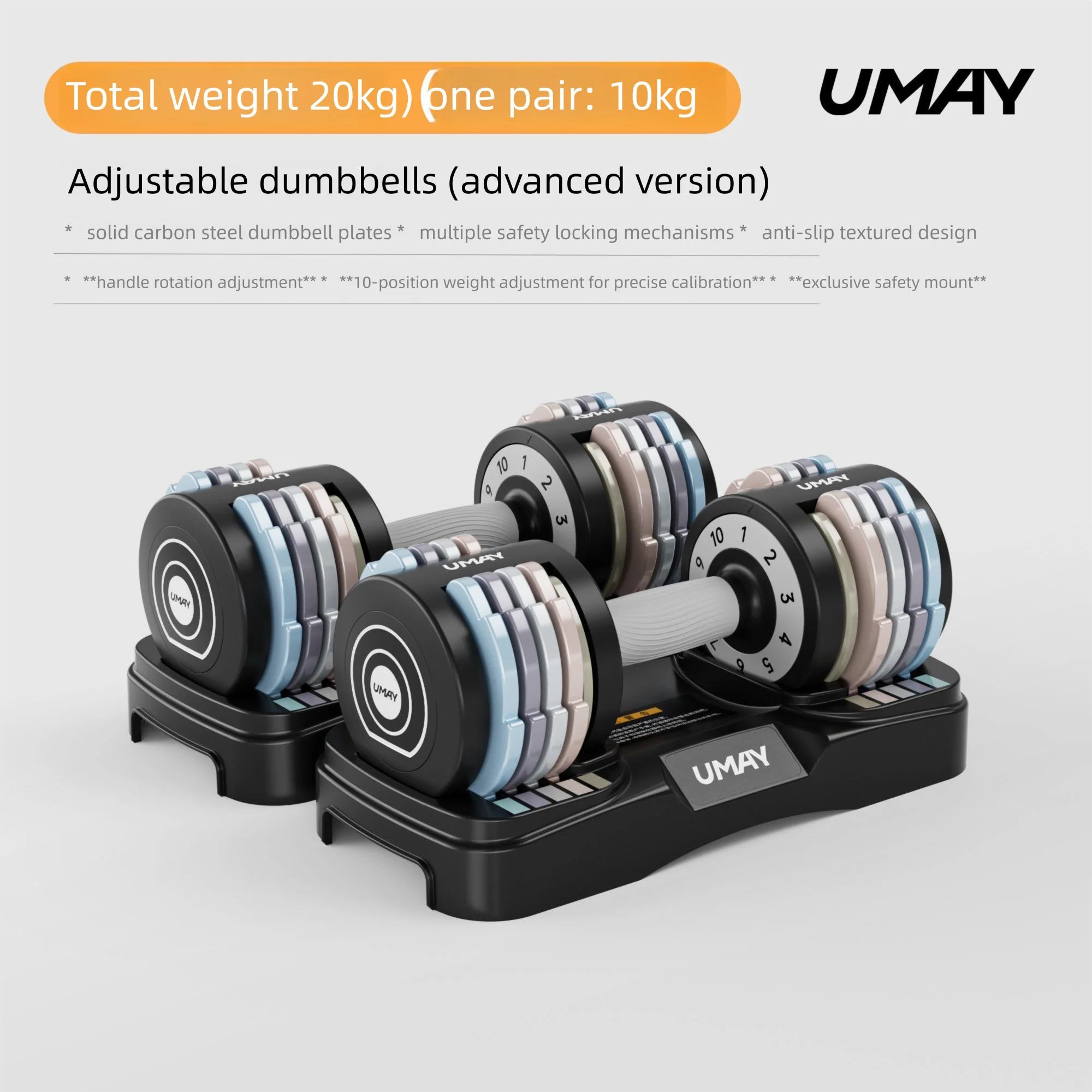
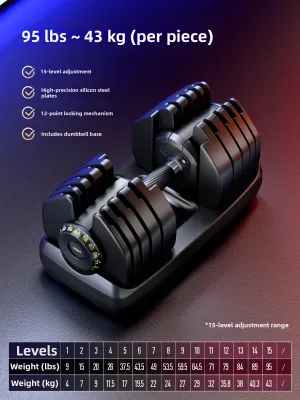
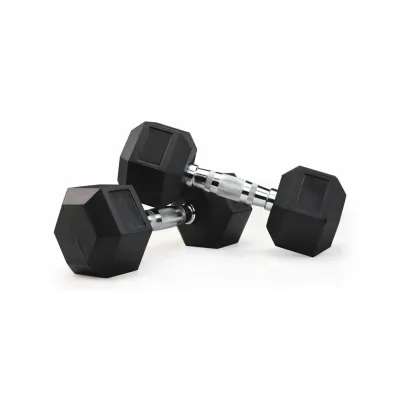
![[BULKY]Hex Dumbbell Rubber Coated Chrome Dumbbell / Home Gym / Indoor Gym/Fitness/Weights (Not Sold in pair)](https://img.lazcdn.com/g/p/9cecb653fdef1b69b19d212d76b0c30a.jpg_400x400q80.jpg_.webp)
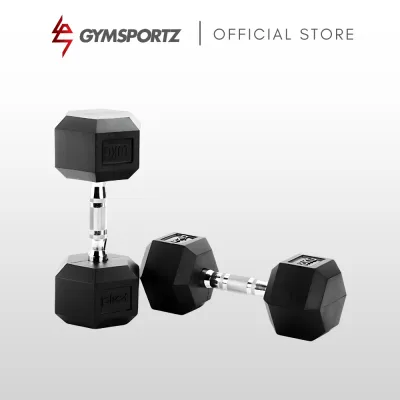
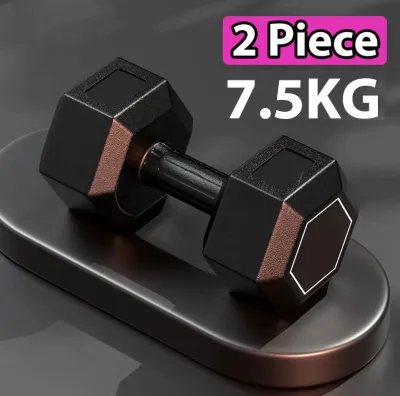
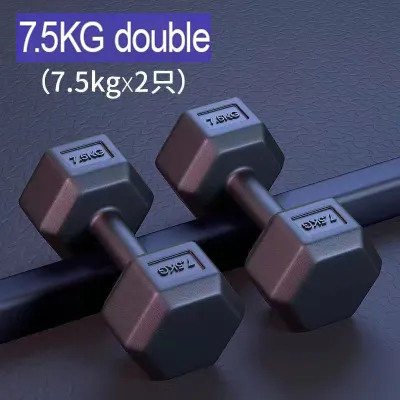
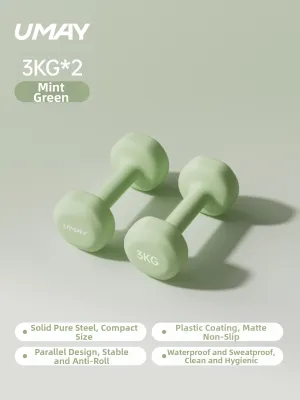
Prices are valid at publication and may change. Please refer to the product page for the latest price.
Key Factors to Compare Before Buying
Space and Storage Requirements
A full set of fixed dumbbells requires a dedicated horizontal or vertical rack to keep your workout area organized and safe. In a typical home environment, this footprint can easily consume a significant portion of a room, requiring clear clearance around the rack for safe lifting.
Conversely, adjustable dumbbells occupy only the footprint of a single pair of weights. They usually rest on a small, custom-fitted tray that fits easily into a closet, under a bed, or in a corner of a living room, making them highly compatible with multi-purpose spaces.
Budget Considerations
While a single pair of adjustable dumbbells often carries a higher upfront cost than one pair of fixed dumbbells, it represents a much lower total investment than purchasing a complete run of fixed weights. Buying individual fixed pairs as you grow stronger can lead to high cumulative costs, especially when factoring in the price of a sturdy storage rack.
While the initial outlay in S$ for a premium adjustable set can feel substantial, it is often more economical than buying ten separate pairs. For those on a tight budget who only need one or two specific weights, starting with a few fixed pairs is a viable alternative.
Workout Routine Compatibility
Your training methodology plays a critical role in this decision. If your routine relies heavily on drop sets, supersets, or high-intensity interval training (HIIT) where you must change weights in under five seconds, fixed dumbbells offer unmatched speed.
If your focus is on standard progressive overload—gradually increasing weight over weeks and months with structured rest periods between sets—the slight delay required to adjust a dial or pin mechanism is negligible. The ability to make small, incremental weight adjustments on a single pair of dumbbells is highly beneficial for steady strength progression.
Fixed Dumbbells: Best for Dedicated Spaces and Quick Transitions
Fixed dumbbells are prized for their simplicity and extreme durability. Because they are constructed from solid cast iron or steel encased in rubber or urethane, they have no moving parts, dials, or pins that can wear out or break over time. This solid construction allows you to drop them safely on protective gym flooring without worrying about mechanical failure, making them highly reliable for heavy lifting.

However, the primary drawback of fixed dumbbells is the massive spatial footprint and the escalating cost of building a versatile set. To progress from light lateral raises to heavy presses, you may need ten or more pairs of dumbbells, which requires a heavy-duty multi-tier rack. Additionally, in residential settings, storing hundreds of kilograms of fixed weights in one concentrated spot requires careful consideration of floor load limits.
This setup is best suited for homeowners with a dedicated garage, basement, or spare room who prioritize a commercial-gym feel. It is also the ideal choice for households where multiple people workout together, as different users can utilize different weight pairs simultaneously without waiting to reconfigure a single adjustable mechanism.
Adjustable Dumbbells: Best for Limited Space and Progressive Overload
The defining benefit of adjustable dumbbells is their incredible space efficiency. A single pair can offer weight ranges from 2 kg up to 32 kg or more, effectively replacing an entire wall of traditional weights. This makes them highly cost-effective for lifters who want to practice progressive overload without cluttering their living area.
Because adjustable dumbbells rely on intricate internal gears, selector pins, or rotating handles, they are inherently more fragile than solid metal weights. Dropping them can misalign the locking mechanisms, rendering them unsafe or unusable. Furthermore, only one person can use the set at a time, creating a bottleneck if you train with a partner who requires a different weight for the same exercise.
This option is perfect for apartment dwellers, solo lifters, and fitness enthusiasts working with limited floor space. If you train alone and follow a structured program with dedicated rest intervals between sets, the brief pause to adjust your weight fits perfectly into your routine.
Decision Framework: Which Type Fits Your Routine?
To finalize your choice, evaluate your home gym setup against these specific scenarios.
Choose fixed dumbbells if:
- You have a dedicated workout space that can permanently accommodate a multi-tier storage rack.
- You regularly perform explosive movements, drop sets, or partner workouts where instant weight changes are necessary.
- You prefer the tactile feel of traditional solid weights and want the freedom to drop them on rubber mats without risking mechanical damage.
Choose adjustable dumbbells if:
- You live in a compact apartment or share a multi-purpose room where workout equipment must be stored away after use.
- You are a solo lifter focusing on steady, progressive strength gains with structured rest periods.
- You want to maximize your budget by purchasing a wide range of weight options in a single transaction.
Verify first if:
- Handle grip thickness: Check the manufacturer's specifications for handle diameter, as some adjustable models have thicker or non-standard grips that may feel uncomfortable for smaller hands.
- Maximum weight capacity: Ensure the maximum weight limit of the adjustable set aligns with your long-term strength goals, as some models top out early.
- Adjustment mechanism type: Research whether the model uses a dial, pin, or twist-handle system, and verify its ease of use and locking security before purchasing.
Safety, Maintenance, and Inspection Checks
Regardless of the type you choose, regular equipment maintenance is essential to prevent accidents and ensure longevity.
For fixed dumbbells, perform weekly visual inspections. Check for any signs of loose heads, cracked rubber coatings, or rust formation along the handles. In humid climates, moisture can accumulate in textured knurling, so wipe down the handles with a dry cloth after sweaty sessions to prevent corrosion.
For adjustable dumbbells, the maintenance routine is more precise. Regularly inspect the selector plates, dials, and locking pins for debris, dust, or hair that could interfere with the locking mechanism. Never drop adjustable dumbbells, as even a minor drop can fracture internal plastic gears or bend metal alignment pins. Always verify that the plates are fully locked and secure in their cradle before lifting them over your face or body.
If you notice any sticking mechanisms, loose plates, or structural cracks, stop using the equipment immediately and consult the manufacturer for replacement parts or professional repair.
Frequently Asked Questions (FAQ)
Can I use adjustable dumbbells for drop sets?
Yes, but with limitations. Traditional drop sets require reducing the weight immediately to continue the exercise without rest. With dial- or twist-handle adjustable dumbbells, you must pause, place the dumbbells back into their custom trays, adjust the mechanism to a lower weight, and lift them out again. While some modern quick-change designs allow you to switch weights in a few seconds, they are still slower than simply grabbing a lighter pair of fixed dumbbells from a rack.
How much space does a full set of fixed dumbbells require?
A standard horizontal two-tier rack holding five to ten pairs of fixed dumbbells typically requires a floor footprint of about 1.2 to 1.5 meters in length and 0.5 meters in depth. You must also factor in at least 1 meter of clear walkway space in front of the rack to safely lift and return the weights. Additionally, ensure your flooring can support the concentrated weight of the rack, especially in residential high-rise buildings where localized load limits apply.

Community discussion
Share your experience or ask a question. Comments are reviewed before publication.