
Selecting the ideal flip top sports bottle to keep your drinks ice-cold during an intense workout involves looking beyond brand names and marketing slogans. While many manufacturers claim their bottles offer the longest cold retention on the market, the reality is that no single brand universally outperforms all others under every condition. Thermal performance is not a static brand attribute; rather, it is a direct result of specific engineering choices, material quality, ambient environmental factors, and how you use the bottle during your exercise routine. To find the bottle that will keep your water chilled from the first stretch to the final cool-down, you must evaluate the core physical characteristics of the container itself. By focusing on vacuum insulation structures, lid sealing mechanisms, and capacity-to-ice ratios, you can make an objective decision based on physics rather than promotional hype.
Key Insulation Specifications to Compare
To understand how a sports bottle maintains cold temperatures, you must look at the construction of its vacuum flask. The most effective bottles utilize double-wall vacuum insulation, which features an inner and outer stainless steel container separated by a pocket of near-vacuum space. Because heat requires a medium to travel through via conduction or convection, this vacuum gap drastically slows down the transfer of external heat to your cold beverage. Some high-performance models go a step further by incorporating a third layer or a copper plating on the exterior of the inner wall. This copper lining acts as a radiation barrier, reflecting thermal radiation away from the cold liquid inside and significantly extending the duration of temperature retention. When shopping, check the manufacturer’s technical specifications to verify if copper coating is utilized in their double-wall design.
The lid is often the weakest link in a bottle’s thermal defense system. While the stainless steel body of the bottle prevents heat transfer through its sides, a poorly insulated lid allows heat to enter from the top. Many standard flip top bottles feature simple, single-layer plastic lids that offer virtually no thermal resistance. For superior cold retention, look for lids engineered with integrated foam insulation or multi-layered barriers. These insulated lids create a thermal block that matches the performance of the vacuum-insulated body more closely. Additionally, the thickness of the lid material and the presence of robust silicone gaskets play a critical role in preventing warm air from seeping into the bottle.
Products mentioned in this guide
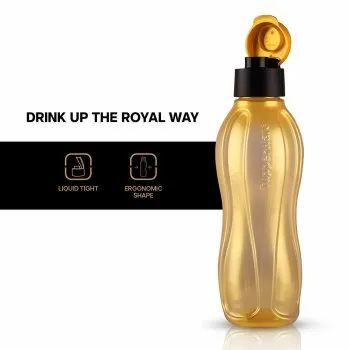
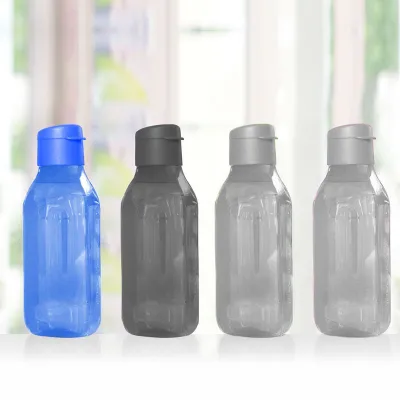
Prices are valid at publication and may change. Please refer to the product page for the latest price.
The exterior finish of the bottle also contributes to its overall utility and thermal management during workouts. A high-quality powder-coated exterior does more than just provide a vibrant color; it creates a textured surface that ensures a secure grip even when your hands are sweaty. More importantly, excellent insulation prevents condensation from forming on the outside of the bottle. If a bottle “sweats” in your gym bag or while sitting on a workout bench, it is a clear sign that heat is escaping through the walls, indicating poor insulation. A dry, powder-coated exterior is a reliable indicator that the vacuum seal is intact and functioning correctly, keeping the cold locked inside where it belongs.
How Workout Conditions Impact Cold Retention
Your physical workout environment plays a massive role in how long your drink stays cold, regardless of the bottle brand you choose. If you train in an air-conditioned indoor gym, the ambient temperature remains relatively stable, placing minimal thermal stress on your bottle. However, if you take your workouts outdoors—such as running along Singapore’s humid coastal paths or cycling under direct sunlight—the thermal gradient between the outside air and your ice water is much steeper. Direct sunlight heats the exterior metal shell of the bottle rapidly, forcing the vacuum barrier to work significantly harder. In these tropical conditions, even the most advanced double-wall bottles will experience faster temperature degradation than they would indoors.

Every time you flip open the lid to take a sip, you introduce warm ambient air into the bottle and allow cold air to escape. This frequent heat exchange is one of the primary drivers of temperature loss during an active training session. If you are performing high-intensity interval training and sipping every few minutes, the constant opening of the flip top mechanism will cause the ice inside to melt much faster than if the bottle remained sealed. Understanding this behavior helps you manage expectations; a bottle rated for 24 hours of cold retention under static laboratory conditions may only keep your water ice-cold for a fraction of that time during an active, outdoor workout.
The physics of volume also dictate thermal performance, specifically regarding the ratio of ice to liquid. Larger capacity bottles, such as those holding 900ml or more, naturally retain their temperature longer than smaller 500ml bottles simply because they contain a larger thermal mass. To maximize cold retention, you should optimize your ice-to-liquid ratio. Filling a bottle to the brim with room-temperature water and adding only a few ice cubes will result in rapid melting. For the longest-lasting cold, fill at least one-third of the bottle’s volume with solid ice before adding pre-chilled water, ensuring the thermal mass is heavily weighted toward maintaining a low temperature.
Evaluating Flip Top Lid Designs for Sealing and Convenience
When selecting a sports bottle, the design of the flip top lid requires careful scrutiny, as it must balance thermal efficiency with physical convenience. Push-button pop-up lids offer excellent one-handed operation, allowing you to quickly take a drink with a single click while keeping your eyes on the road or your hands on gym equipment. However, these spring-loaded mechanisms contain small plastic hinges and metal springs that are susceptible to wear and mechanical failure over time. Manual flip caps, which require you to physically pull the cap open, are mechanically simpler and often more durable, though they can be slightly more cumbersome to operate mid-workout.
The type of drinking spout also influences both the ease of hydration and the airtightness of the seal. Built-in straw lids allow you to drink without tilting the bottle, which is highly convenient during cardio sessions on a treadmill or stationary bike. However, straw mechanisms require complex internal venting valves to allow air to enter as you sip, and these valves can sometimes compromise the airtight seal, leading to minor thermal leaks. Direct-drink chutes or narrow spouts, on the other hand, offer a simpler path for water flow and typically seal more tightly because they rely on a solid silicone plug that presses directly into the opening, minimizing air exchange.
To prevent messy spills in your gym bag, a reliable locking mechanism is an absolute necessity. Many premium flip top bottles feature secondary metal latches or plastic rings that lock the push-button in place, preventing accidental opening if the bottle bumps against other gear. When evaluating these designs, inspect the quality of the silicone gaskets inside the lid. These gaskets must create a perfect, compression-based seal around the drinking spout and air vents. A high-quality gasket not only prevents liquid from leaking out but also blocks warm external air from entering, preserving the internal vacuum and keeping your beverage cold for the duration of your routine.
Decision Framework: Matching the Bottle to Your Routine
To choose the right flip top bottle, you must match its specific design features to your primary workout activities. If your routine consists of high-intensity cardio, spinning, or activities where you cannot easily tilt your head back, a wide-mouth bottle equipped with an insulated straw lid is highly suitable. This setup allows for rapid, upright hydration without interrupting your stride. While straw lids may sacrifice a tiny fraction of thermal efficiency due to their venting valves, the convenience they offer during intense exercise often outweighs the minor loss in cold retention.
Conversely, if your workouts take you outdoors for extended periods, or if you carry your bottle inside a bag alongside electronics, prioritize a narrow spout with a heavy-duty locking lid. This configuration provides the tightest possible seal, minimizing heat transfer and offering robust leak protection. The smaller opening of a narrow spout reduces the surface area exposed to warm air when you drink, making it the superior choice for maximizing cold retention in hot, tropical climates.
Before making your final purchase, always verify the manufacturer’s specific thermal claims and check the availability of replacement parts. Over months of heavy use, silicone gaskets can degrade, and plastic lids can crack if dropped on hard gym floors. Choosing a brand that sells individual replacement lids, straw mouthpieces, and gaskets ensures you do not have to buy an entirely new bottle if a single component fails. Additionally, review the warranty terms to see if the manufacturer covers vacuum insulation failures, which can occasionally occur if the weld seals are compromised. Investing in a bottle with accessible replacement parts and a solid warranty is a practical way to ensure long-term performance and value for your money, which typically ranges from S$30 to S$70 for high-quality insulated sports bottles in Singapore.
Frequently Asked Questions (FAQ)
Does pre-chilling the bottle actually extend cold retention?
Yes, pre-chilling the inner stainless steel wall of your bottle is a highly effective way to extend cold retention. When you pour cold water into a room-temperature bottle, the liquid immediately transfers some of its cold energy to cool down the inner steel wall, causing the water temperature to rise slightly. To prevent this, fill your bottle with ice water and let it sit for three minutes before emptying it and filling it with your workout drink. This simple step ensures the inner metal wall is already chilled to near-freezing, allowing your beverage to maintain its low temperature longer.
Can I put carbonated sports drinks in a flip top vacuum bottle?
It is generally not recommended to put carbonated sports drinks or sparkling water inside a vacuum-insulated bottle with a flip top lid. As the carbon dioxide gas escapes from the liquid, it creates pressure inside the airtight chamber of the bottle. This pressure buildup can compromise the silicone seals, cause the flip top lid to pop open unexpectedly, or spray liquid when you release the latch. Furthermore, the sudden release of pressure when opening the bottle can damage the delicate hinges of a push-button mechanism, potentially ruining the lid entirely.
How should I clean the flip top lid to prevent mold without damaging the seal?
To prevent mold and bacteria buildup in the complex crevices of a flip top lid, you must clean it regularly by disassembling its removable parts. Carefully remove the silicone gaskets, straws, and O-rings according to the manufacturer’s instructions. Wash these components by hand using warm water and a mild dishwashing detergent, utilizing a small detail brush to reach into the tight corners of the drinking spout. Avoid using harsh bleach or abrasive scrubbers, and do not put the lid in a high-heat dishwasher unless the manufacturer explicitly states it is dishwasher-safe, as extreme heat can warp the plastic and ruin the silicone seals.

Community discussion
Share your experience or ask a question. Comments are reviewed before publication.