
Choosing between a FlipBelt and other running belts for Singapore’s humid climate depends on balancing total skin contact area with bounce-free stability. While a tubular belt offers a secure, hardware-free fit that distributes weight evenly, it covers a wider band of skin, which can trap heat. Conversely, traditional strap or open-mesh belts reduce the contact area to allow more direct airflow but may bounce or chafe if not adjusted correctly. To stay comfortable on humid tropical runs, runners must evaluate fabric composition, contact area, and carrying needs rather than looking for a single universal winner.
Understanding Breathability and Sweat Management
Singapore’s high relative humidity severely limits the rate of sweat evaporation. When sweat cannot evaporate, the body struggles to cool down, making fabric choice the first line of defense against overheating. Synthetic fibers like polyester, nylon, and elastane are engineered to pull moisture away from the skin to the outer surface of the fabric where it can evaporate. Cotton, by contrast, absorbs moisture and holds onto it, becoming heavy, saggy, and abrasive against the skin.
Structure also dictates airflow. A wide, continuous band wraps around the waist, creating a microclimate underneath. A narrow strap minimizes this covered zone but concentrates pressure. Friction increases when wet fabric rubs against damp skin. This makes the relationship between skin contact area, fabric texture, and movement critical for preventing chafing during long, sweaty runs.
Products mentioned in this guide
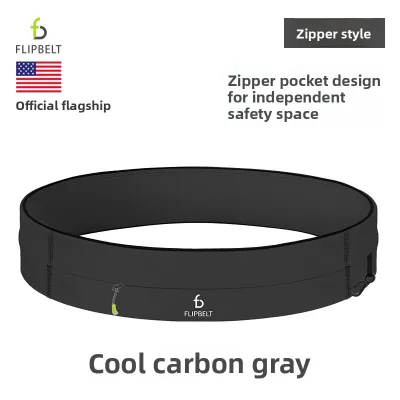
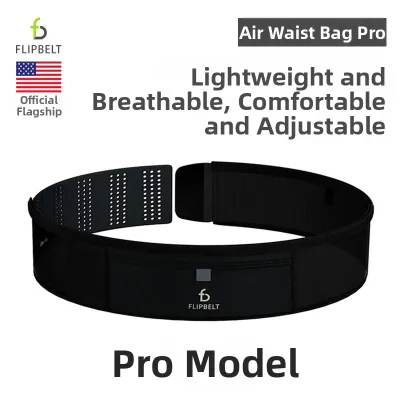
Prices are valid at publication and may change. Please refer to the product page for the latest price.
Analyzing the FlipBelt Tube Design for Airflow and Fit
The FlipBelt features a continuous, tubular design that slides up over the hips or down over the head. Because it lacks plastic buckles, heavy zippers, or adjustable clips, it eliminates localized pressure points and hard surfaces that can trap heat and rub against the lower back or hips. The fabric blend typically consists of high-quality polyester and Lycra or spandex. Runners should check the specific product label to verify the exact synthetic ratio, as higher polyester content generally aids moisture transport, while spandex provides the necessary recovery stretch to keep items secure.

By wrapping fully around the waist, the belt distributes the weight of phones, keys, and gels evenly. This flat profile minimizes bounce, which is a major cause of friction-induced chafing. However, the trade-off of this full-wrap design is the sheer surface area of skin covered. In Singapore’s intense humidity, covering a continuous three-to-four-inch band around your waist naturally reduces direct airflow to that region, meaning sweat will accumulate under the belt during prolonged exertion.
Comparing FlipBelt with Alternative Belt Styles
To find the right balance between ventilation and stability, runners can choose from several alternative belt architectures. These designs range from traditional narrow-strap pouches to highly ventilated, technical mesh bands designed specifically for hot-weather performance.
Zippered Pouch and Adjustable Strap Belts
Traditional running belts feature a single zippered pouch suspended on a narrow elastic strap. This design significantly reduces the total skin contact area compared to a full-wrap tube belt, leaving more of your torso exposed to natural breezes and ambient airflow. Despite the smaller footprint, these belts can create localized hot spots. The pouch itself, often made of thicker or water-resistant material, can trap sweat directly against your lower back or abdomen, leading to a pool of moisture.
Additionally, the plastic buckles and adjustment tri-glides can dig into the skin when tightened to prevent bouncing. If the belt is carrying a heavy smartphone, the narrow strap must be pulled tight, which can restrict breathing or cause localized chafing where the hardware rubs against wet skin.
Open-Mesh and Minimalist Elastic Belts
Minimalist belts utilizing open-mesh panels represent another alternative for hot-weather running. These designs use highly porous, perforated fabrics that allow air to pass directly through the band, facilitating faster sweat evaporation even in high humidity. These mesh belts are exceptionally lightweight and dry quickly, making them highly appealing for midday or afternoon runs in tropical climates.
The primary trade-off with ultra-lightweight mesh is structural integrity and carrying capacity. Perforated materials may stretch out more easily under the weight of modern, heavy smartphones, leading to increased bounce unless the belt features internal silicone grippers or a highly precise, non-stretch sizing system. Furthermore, open-mesh designs offer virtually no protection against sweat transferring from your body into the pocket, meaning any electronics or paper items stored inside will require an additional waterproof sleeve or bag.
Key Features to Verify for Hot and Humid Runs
Before purchasing any running belt for tropical conditions, verify the material specifications on the manufacturer’s tag or product listing. Look for explicit moisture-wicking and quick-dry claims, and avoid any belts that feature thick, neoprene linings or non-breathable plastic backings that seal in heat. Assess the tensioning mechanism and fit. A belt must be snug enough to prevent movement—since movement causes friction and chafing—but it should not be so tight that it constricts your breathing or presses damp fabric aggressively into your skin, trapping body heat.
Check the pocket configuration and water resistance. If you carry a phone, verify whether the belt has a sweat-resistant barrier or if you will need to place your device in a plastic zip bag to protect it from heavy perspiration and sudden tropical downpours. Review the retailer’s return and exchange policies. Because fit is highly dependent on individual body shape, hip-to-waist ratios, and running gait, being able to try the belt on at home and exchange it for a different size is crucial for avoiding chafing.
Decision Framework: Which Belt Fits Your Running Style?
Selecting the ideal running belt involves matching your personal sweat rate, carrying requirements, and comfort priorities to the right design. No single belt excels in every category, so your choice should reflect your typical running environment and gear load.
Consider a tubular belt like the FlipBelt if your primary goal is a bounce-free, hardware-free fit and you prefer to distribute multiple small items—such as keys, gels, and card sleeves—evenly around your waist. This style is excellent for runners who find plastic buckles uncomfortable or suffer from chafing caused by moving straps. Opt for an adjustable strap or open-mesh belt if your priority is maximizing localized airflow, if you run during the hottest parts of the day, or if you only carry a single heavy item like a large smartphone. The adjustable strap allows you to loosen the belt during walking breaks, while mesh panels offer the highest level of direct ventilation.
Always verify your personal sensitivity to chafing and heat before making a final decision. If you are prone to heat rashes or run long distances in peak humidity, a narrower belt or a highly breathable mesh option may serve you better, whereas runners focused on stability and high-capacity storage will appreciate the secure wrap of a classic tube belt.
Frequently Asked Questions (FAQ)
How should I clean my running belt to preserve its moisture-wicking properties?
To maintain the performance of synthetic running belts, rinse them in cool water immediately after heavy sweat sessions to remove salt buildup. Machine wash on a gentle cycle using a mild detergent, and always air dry. Avoid using fabric softeners, as they leave a thin chemical coating on the fibers that clogs the pores of the fabric, drastically reducing its moisture-wicking and breathing capabilities.
Does a tighter fit improve or reduce breathability during long runs?
A tighter fit physically reduces breathability by pressing the fabric flat against your skin, leaving no space for air circulation and trapping heat. However, a secure fit is absolutely necessary to prevent the belt from bouncing. If a belt bounces, the resulting friction against damp skin will cause painful chafing, so you must find a balanced tension that remains stable without constricting your waist or restricting deep breathing.

Community discussion
Share your experience or ask a question. Comments are reviewed before publication.