
Maintaining the correct tyre pressure is one of the simplest ways to ensure a smooth, efficient, and puncture-free ride. When looking for a bicycle tyre pump, you will inevitably face a choice between a large floor pump and a compact portable pump. Neither option is universally superior; instead, each serves a distinct purpose in a cyclist’s maintenance routine. A floor pump is the ultimate workshop tool, designed for rapid, high-pressure inflation and accurate pressure tracking at home. A portable pump, on the other hand, is an essential safety net designed to be carried on your rides for emergency roadside repairs. Understanding the structural differences, inflation performance, and practical trade-offs of each type will help you determine which pump offers the best value and convenience for your specific riding habits.
Structural Differences: What Sets Them Apart
Floor pumps and portable pumps are engineered with completely different physical profiles to suit their intended environments. A floor pump is a stationary tool featuring a wide, heavy base made of steel, cast iron, or durable composite materials. This base is designed to be held down firmly with both feet, providing a stable platform during operation. It features a long, wide cylinder that holds a large volume of air, a long flexible rubber hose, and a large, highly visible analogue or digital pressure gauge. The ergonomic T-handle allows you to use your entire body weight to push down, making inflation comfortable and efficient.
In contrast, a portable pump, often called a mini pump, is designed entirely for space-saving and lightweight convenience. These compact devices lack a base and a long hose, requiring you to hold the pump body in one hand while pumping with the other. The cylinder is narrow and short, which minimizes its physical footprint so it can easily fit into a jersey pocket, a saddle bag, or mount directly to your bike frame. While some premium portable pumps include a short, flexible hose or a small inline gauge, most rely on a direct connection to the valve to keep weight to an absolute minimum.
Products mentioned in this guide
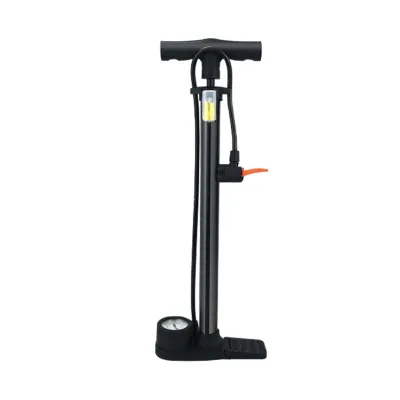
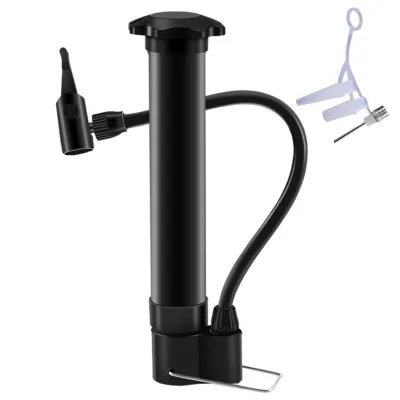
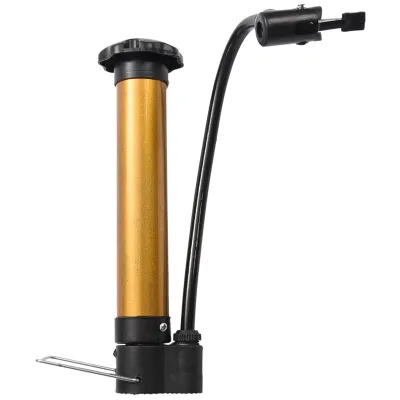
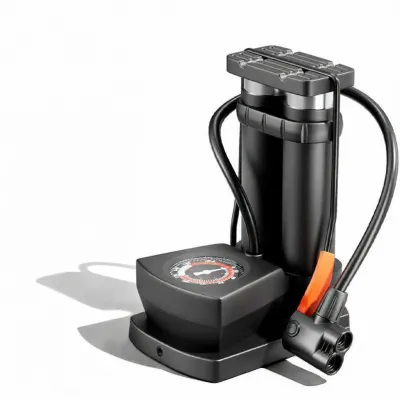
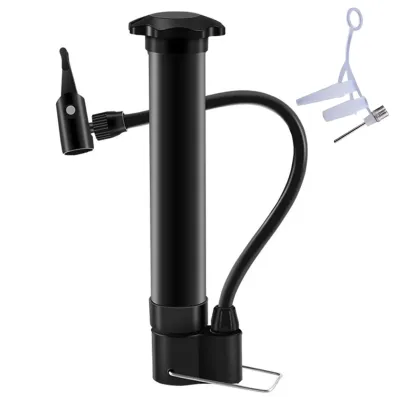
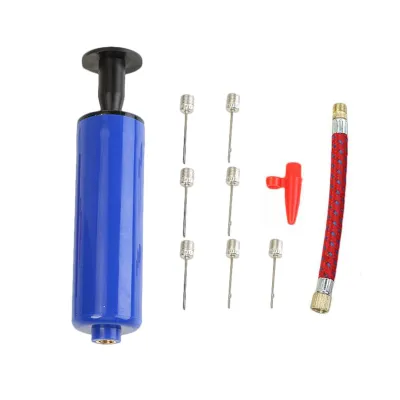
Prices are valid at publication and may change. Please refer to the product page for the latest price.
Inflation Speed and Physical Effort
The difference in air volume between these two pump categories directly impacts how much time and physical effort you must expend to inflate a tyre. A floor pump moves a substantial volume of air with every single stroke. For high-volume tyres, such as those on mountain or gravel bikes, a floor pump can achieve the desired pressure in just a few strokes. Because you stand over the pump, you can leverage your body weight on the downward stroke, which significantly reduces arm fatigue when inflating high-pressure road tyres.

Portable pumps require a much higher level of physical exertion. Because the air chamber is small, you may need to pump several hundred times to fully inflate a single tyre. Pumping a tyre with a mini pump is a pure arm workout, as you cannot leverage your body weight. Furthermore, you must choose between high-volume and high-pressure portable pumps. High-volume models are wider and inflate large tyres faster but become extremely difficult to pump at higher pressures. High-pressure models have narrower barrels that make pumping at high pressures manageable, but they require many more strokes to fill the tyre.
Portability and Storage Trade-offs
Portability is the primary reason to own a mini pump. Weighing very little and measuring just a fraction of the size of a floor pump, a portable pump is easy to carry on every ride. In Singapore, where many cyclists commute via park connectors or ride long distances along the coast, having a reliable tool to handle unexpected punctures is essential. For those living in compact apartments or HDB flats where storage space is highly valued, a portable pump can be tucked away in a small drawer or left mounted on the bicycle frame, taking up virtually no living space.
Refusing to use a floor pump and relying solely on a portable pump for routine maintenance can become tedious. A floor pump, while bulky and heavy, is designed to stand upright in a corner, utility closet, or storeroom. It is not meant to be carried on a ride, but its convenience at home is unmatched. Some riders consider using CO2 inflators as a portable alternative because they offer instant inflation with zero physical effort. However, CO2 canisters are single-use items that can freeze during use, and the gas leaks through inner tubes much faster than regular air, meaning you will still need a proper pump to top up your tyres shortly after.
Valve Compatibility and Secure Connections
Before purchasing any bicycle tyre pump, you must ensure it is compatible with your tyre’s valve type. Bicycle tyres generally use Presta valves, which are narrow and common on road and performance bikes, or Schrader valves, which are wider and typically found on mountain, hybrid, and utility bikes. Most modern floor pumps feature a dual-head or smart-head design that automatically accommodates both valve types without requiring any internal adjustments. The locking lever on a floor pump chuck ensures a secure, airtight seal, preventing air loss during high-pressure inflation.
Portable pumps handle valve compatibility in a variety of ways. Some models require you to unscrew the pump head and manually flip an internal rubber grommet and plastic pin to switch between Presta and Schrader configurations. Other portable pumps feature a short, thread-on hose that provides a highly secure connection but takes longer to attach. Direct-mount portable pumps, which press directly onto the valve stem without a hose, require careful handling. Vigorous pumping with a direct-mount pump can easily bend or snap delicate Presta valve cores, so checking manufacturer specifications for a flexible hose attachment is highly recommended.
How to Choose the Right Pump for Your Riding Style
Selecting the right pump depends on your cycling habits, the tyres you ride, and where you plan to do your maintenance.
Choose a floor pump if you perform regular tyre pressure checks at home, ride high-pressure road tyres, or manage multiple bicycles for your family. The ease of use, speed of inflation, and highly accurate pressure gauge make it the perfect tool for routine pre-ride preparation. It is also the only practical option for seating tubeless tyres, which requires a sudden, massive burst of air pressure to pop the tyre bead into the rim.
Choose a portable pump if you frequently ride far from home, commute daily, or need an emergency backup to ensure you never get stranded with a flat tyre. If you have extremely limited storage space at home and only ride occasionally, a high-quality portable pump with a flexible hose can serve as your single, multi-purpose pump, provided you do not mind the extra physical effort required during inflation.
For the majority of dedicated cyclists, the most practical approach is to own both types of pumps. A reliable floor pump kept at home ensures your tyres are always perfectly inflated before you set off, while a lightweight portable pump mounted to your frame provides peace of mind during your journeys. Before buying, always check your tyre sidewall for the recommended pressure range and verify your valve type to ensure complete compatibility.
Frequently Asked Questions (FAQ)
Can I use a portable pump to reach high road bike pressures?
Yes, but it requires significant physical effort and a pump specifically designed for high pressure. High-pressure mini pumps feature narrower barrels to make pumping at higher pressures manageable, but they move less air per stroke. Reaching 80 to 100 PSI with a mini pump can take several minutes of continuous pumping and may cause hand fatigue. Additionally, without a flexible hose, the force of pumping can easily bend or damage the delicate Presta valve stem on a road bike tyre.
Do I need a built-in pressure gauge on my portable pump?
A built-in gauge on a portable pump is a useful feature but is not strictly necessary for emergency roadside repairs. These integrated gauges are often small, inline dial or digital displays that can be difficult to read and are generally less accurate than the large gauges found on floor pumps. For roadside emergencies, inflating the tyre by feel—until it feels firm under thumb pressure—is usually sufficient to get you home safely. If precise pressure is critical for your riding style, pairing a lightweight, gauge-less mini pump with a standalone digital pressure gauge is often a more accurate and durable setup.

Community discussion
Share your experience or ask a question. Comments are reviewed before publication.