
Choosing between a floor pump and a portable pump comes down to where you plan to inflate your tires and how you ride. If you need a fast, highly accurate tool to prepare your bike before leaving home, a floor pump is the ideal choice. Conversely, if you need a compact emergency tool to rescue you from a flat tire during a long ride, a portable pump is indispensable. Many cyclists find that these two tools do not replace each other but rather serve complementary roles in a complete cycling routine.
Understanding how each pump operates helps you avoid frustration on the road or trail. A pump that is too bulky to carry will end up left at home, while a pump that requires excessive physical effort to inflate a tire can turn a simple pre-ride check into an exhausting workout. By evaluating your specific cycling habits, storage constraints, and inflation needs, you can make an informed decision that keeps your rides smooth and uninterrupted.
Core Differences Between Floor and Portable Bicycle Pumps
To make the right choice, it is essential to understand the fundamental design and functional trade-offs between these two pump types. Floor pumps are large, stationary workshop tools designed to remain at home or in a garage. They feature a wide, stable base that you step on with both feet, allowing you to use your entire body weight to push down a long, comfortable T-handle. This ergonomic design minimizes physical strain and maximizes air output.
Products mentioned in this guide
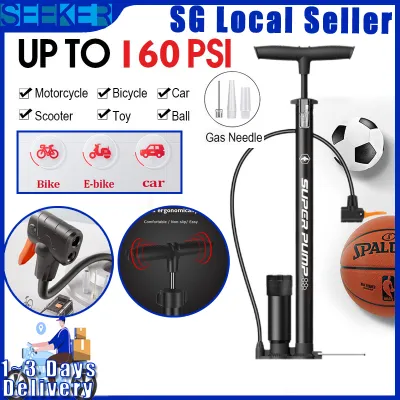
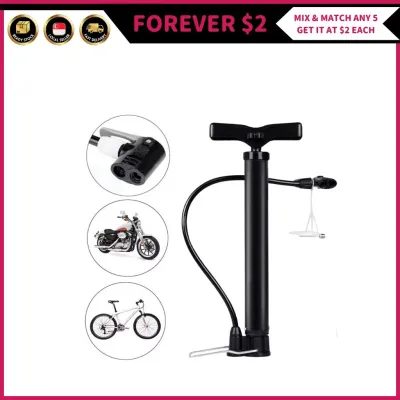
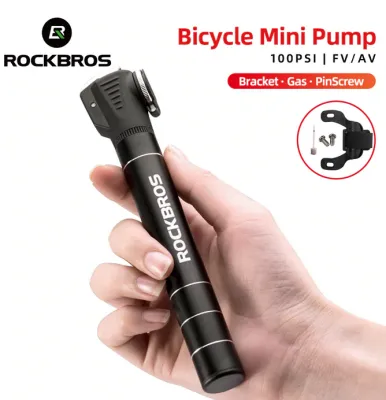
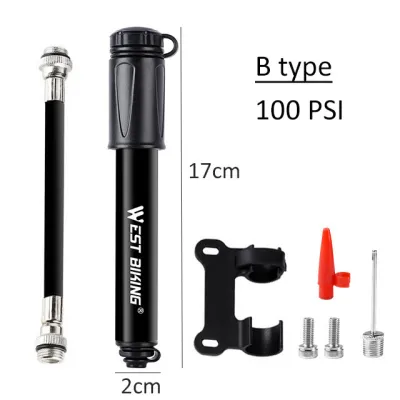
Prices are valid at publication and may change. Please refer to the product page for the latest price.
In contrast, portable pumps, often called mini pumps, are designed entirely for on-the-go convenience. They are compact, lightweight, and engineered to fit inside a jersey pocket, a frame bag, or mount directly to your bicycle frame using a dedicated bracket. Because they lack a stable base and a long handle, operating a portable pump requires using your arm strength to compress the piston, which can be physically demanding during extended use.
These physical differences directly impact air volume per stroke and maximum pressure capabilities. A floor pump features a wide, long cylinder that moves a substantial volume of air with every single stroke, allowing you to inflate a standard tire from flat to riding pressure in a matter of seconds. Portable pumps have much smaller cylinders, moving a fraction of that air volume per stroke. While some specialized portable pumps are rated for high pressures, achieving those pressures requires hundreds of strokes and significant manual effort.
Ultimately, the choice involves a direct trade-off between inflation speed at home and carry-on convenience during rides. A floor pump offers unmatched speed, ease of use, and precise pressure control, but it is impossible to carry on a ride. A portable pump provides the ultimate insurance policy against being stranded by a flat tire, but it sacrifices speed and comfort to achieve its compact form factor.
Evaluating Your Cycling Habits and Storage Space
Your typical riding routine is the most critical factor in determining which pump type you need. If your cycling consists primarily of short commutes, casual weekend rides along local park connector networks, or laps around a neighborhood where you are never far from public transport, you might rely solely on a floor pump. In these scenarios, a thorough pre-ride top-up at home is often sufficient to keep your tires at the correct pressure and prevent flats.

However, if your routine involves long-distance road riding, gravel grinding, or mountain biking on remote trails, carrying a portable pump is a necessity. A mid-ride flat tire without a portable pump can turn an enjoyable excursion into an expensive taxi ride or a long, uncomfortable walk home. For these active riders, a portable pump is a non-negotiable piece of safety equipment that must accompany every journey.
Your living situation and available storage space also play a role in this decision. In compact urban apartments or high-rise flats where floor space is limited, storing a tall floor pump can sometimes be a challenge. A floor pump requires a dedicated corner in a closet, hallway, or next to your bicycle storage rack. If your living space is extremely restricted, you might feel tempted to use a portable pump as your sole inflation tool, but the daily effort of using a mini pump for routine maintenance can quickly become tedious.
Regular tire maintenance is vital because bicycle tires naturally lose air pressure over time, even without a puncture. A quick pre-ride top-up with a floor pump takes less than a minute and ensures you are always riding at the optimal pressure for grip, comfort, and rolling resistance. Relying on a portable pump for these routine adjustments is physically taxing and makes regular maintenance feel like a chore, which may lead to riding on under-inflated tires.
Multi-Purpose Inflation Needs
If you need a pump that can handle more than just bicycle tires, a floor pump is generally the superior option. Most floor pumps come packaged with, or feature built-in storage for, accessory adapter kits. These kits typically include a metal needle valve for inflating sports balls, such as footballs or basketballs, and plastic cone adapters for inflatable pool toys, air mattresses, or exercise balls.
When it comes to high-volume inflation tasks, the physical effort required highlights the limitations of portable models. Attempting to inflate a large inflatable toy or top up a car tire with a bicycle pump requires moving a massive volume of air. A floor pump can handle these tasks in an emergency because its large cylinder moves air efficiently, though it still requires noticeable physical exertion. Attempting the same task with a portable pump is highly impractical and can lead to physical exhaustion or damage to the pump itself.
Portable pumps are highly specialized tools optimized strictly for bicycle valves and compact storage. They rarely include accessory adapters, and their small internal chambers are not designed to move the volume of air necessary for non-bicycle items. Using a portable pump for high-volume tasks can also cause the internal seals to overheat due to friction, potentially ruining the pump’s ability to hold pressure when you need it most on the road.
Key Specifications to Verify Before Purchase
Before purchasing any bicycle pump, it is crucial to verify several key specifications on the product packaging or manufacturer manual to ensure compatibility with your gear. First, check the valve compatibility. Most bicycles use either Presta valves (narrow, threaded valves common on road and high-end bikes) or Schrader valves (wider valves identical to those on car tires). Ensure the pump head is dual-action, features a smart head that automatically adjusts to both types, or has a reversible internal chuck.
Next, evaluate the pressure gauge. A reliable gauge is essential for maintaining correct tire pressure and preventing pinch flats. Floor pumps typically feature large, easy-to-read analog dial gauges mounted at the base or the top of the cylinder, or clear digital displays. Verify the maximum PSI (pounds per square inch) or bar rating listed by the manufacturer. Road cyclists generally require pumps rated up to 120 PSI or higher, while mountain bikers benefit from lower-pressure gauges that offer finer resolution at lower ranges.
For portable pumps, a pressure gauge is often omitted to save weight and space, though some premium models feature small inline gauges. If you choose a portable pump, inspect the mounting bracket options included in the package. A good bracket should bolt securely underneath your water bottle cage and include a secondary strap to prevent the pump from vibrating loose on rough roads or trails.
Finally, inspect the hose length and material quality. A floor pump should have a long, flexible hose that easily reaches your bicycle valves even when the bike is mounted on a repair stand. For portable pumps, some models feature a small, extendable hose hidden inside the body, which reduces strain on the valve stem during vigorous roadside pumping, while others attach directly to the valve. Choose the style that best matches your physical comfort and mechanical confidence.
Decision Framework: Choosing Your Ideal Bicycle Pump
To finalize your decision, consider how your budget, storage, and riding habits align with the strengths of each pump type. If you prioritize fast, accurate, and effortless tire inflation before you leave the house, and you have a small corner in your home to store it, a floor pump is your best choice. It is the ultimate tool for routine maintenance and ensures your tires are always at the perfect pressure.
If your primary concern is roadside emergency preparedness, and you frequently ride long distances where help is unavailable, a portable pump is an essential investment. It is lightweight, easy to carry, and provides the peace of mind you need to explore new routes without fear of being stranded by a flat tire.
For many active cyclists, the most practical solution is a two-pump setup. You can use a high-quality floor pump at home for precise, effortless weekly maintenance, and carry a compact portable pump on your bike frame for emergency repairs. When planning your budget, reliable entry-level floor pumps generally range from S$30 to S$50, while dependable portable pumps often cost between S$20 to S$40. Investing in both tools ensures you are fully prepared for both daily riding preparation and unexpected roadside emergencies.
Frequently Asked Questions (FAQ)
Can I use a portable pump to reach high tire pressures for road bikes?
Yes, you can use a portable pump to reach high pressures, but it requires significant physical effort. Because portable pumps have small cylinders, they move a very small volume of air per stroke, meaning you must pump hundreds of times to compress the air to high pressures. Before purchasing, always check the manufacturer’s maximum PSI rating on the packaging to ensure the pump is rated for road bike pressures, and follow the instructions carefully to avoid bending or damaging the valve stem while pumping.
How do I maintain the seals and O-rings in my bicycle pump?
Regular maintenance is key to prolonging the lifespan of your pump and ensuring it holds pressure. Periodically perform a visual inspection of the hose, pump head, and connections for any signs of cracking, wear, or air leaks. In tropical climates with high humidity, rubber components can degrade more quickly. If the pump becomes difficult to stroke or fails to push air efficiently, consult the manufacturer’s manual for specific instructions on unscrewing the top cap to apply a light coat of recommended lubricant to the internal O-rings and plunger seals.

Community discussion
Share your experience or ask a question. Comments are reviewed before publication.