
When shopping for a foldable tent, the technical specifications can quickly become overwhelming. Among the most prominent numbers on product labels are millimeter ratings, such as 1000mm, 2000mm, or 3000mm. These figures are not measurements of fabric thickness; instead, they indicate how effectively the material resists water penetration under pressure. Understanding what these ratings mean in real-world conditions is essential for choosing a shelter that keeps you dry without overpaying for unnecessary specifications.
A foldable tent, valued for its quick setup and portability, relies on specialized fabric coatings to repel rain. However, a high rating on paper does not automatically guarantee a dry camping experience if other structural elements are overlooked. By learning how these ratings are calculated and how they perform under different weather scenarios, you can make an informed decision that matches your specific outdoor activities, whether you are planning a casual afternoon at a local park or preparing for a wet weekend in the outdoors.
Understanding Hydrostatic Head Measurements
The millimeter rating on outdoor gear refers to a standardized laboratory test known as the Hydrostatic Head (HH) measurement. To determine this rating, technicians pull a section of the tent fabric taut beneath a vertical tube. They then fill the tube with water and observe how high the water column can rise before the pressure forces liquid to penetrate through the weave of the fabric.
Products mentioned in this guide
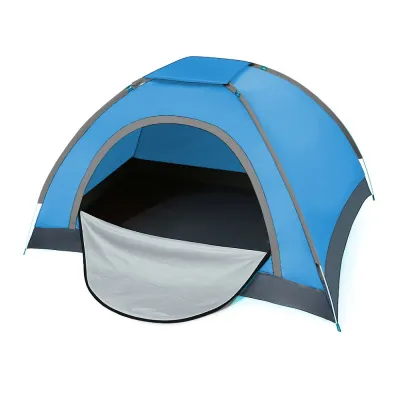
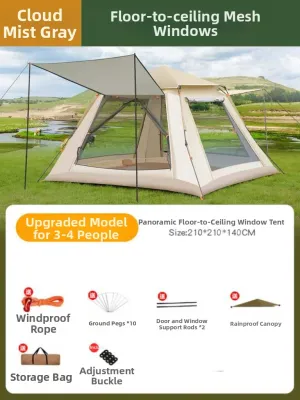
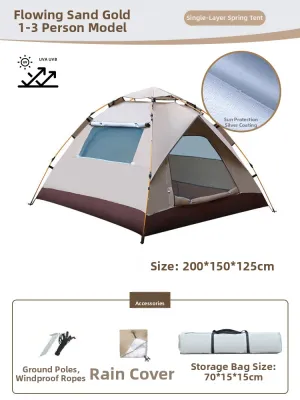
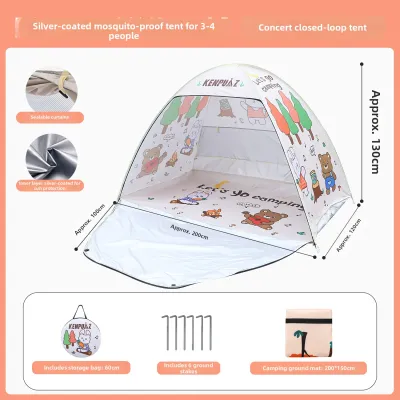
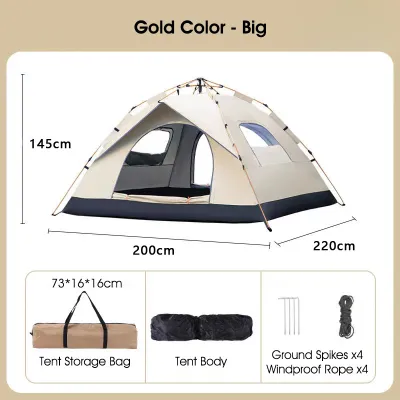
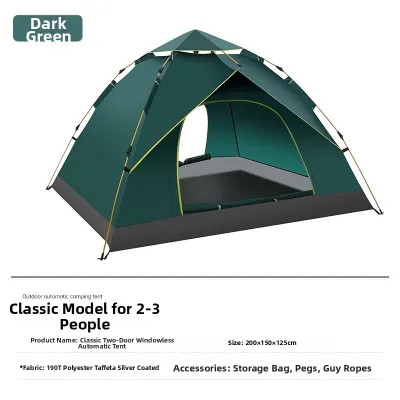
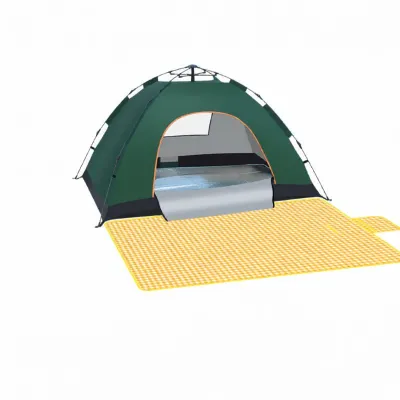
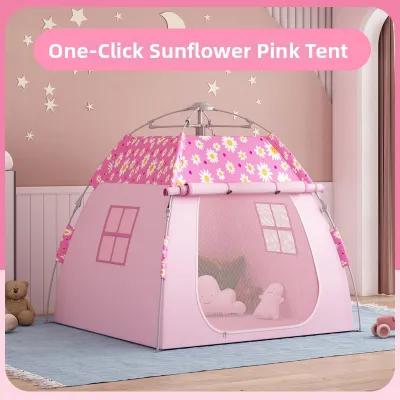
Prices are valid at publication and may change. Please refer to the product page for the latest price.
If a fabric has a rating of 1000mm, it means the material can withstand a one-meter-tall column of water resting on its surface before three drops of water seep through. A 2000mm rating indicates resistance up to a two-meter column, and a 3000mm rating represents a three-meter column. While this laboratory setup provides a consistent baseline for comparing different fabrics, it is important to remember that these numbers represent controlled thresholds rather than absolute real-world guarantees.
Testing standards and methodologies can vary significantly by region and manufacturer. Because of these variations, a 1500mm rating from one manufacturer might perform similarly to a 2000mm rating from another. Buyers should look closely at product labels to verify which testing standards were applied.
Translating Ratings to Real-World Weather Conditions
To make these laboratory numbers practical, it helps to map them to actual weather scenarios. A tent fabric rated at 1000mm is generally considered the entry-level threshold for water resistance. This rating is suitable for light, brief drizzles and mild wind conditions, but it is highly likely to permit moisture ingress during sustained rainfall or heavy downpours.

Stepping up to a 1500mm to 2000mm rating provides a more reliable barrier against steady, moderate rain. Tents in this range are versatile options for typical weekend camping trips where you might encounter passing showers. When a fabric reaches a 3000mm rating or higher, it is designed to withstand heavy, prolonged downpours and stronger winds without allowing water to mist through the canopy.
However, real-world weather introduces dynamic forces that laboratory tests do not fully replicate. Wind pressure is a major factor; a strong gust pushing rain against the tent fabric increases the physical pressure on the material, effectively lowering its resistance. Similarly, physical contact can compromise performance. If gear, sleeping bags, or your body press directly against the inside of a wet tent wall, surface tension is broken, and water can easily seep through even a highly rated fabric.
Furthermore, the tent floor requires a significantly higher waterproof rating than the canopy. When you sit, kneel, or sleep inside a tent, your body weight exerts concentrated pressure on the ground fabric. If the ground is saturated with moisture, this pressure can easily force water through a low-rated floor. For this reason, many reliable foldable tents feature a floor rating that is double or triple the rating of the rainfly or canopy fabric.
Matching Tent Specifications to Your Camping Needs
Selecting the right waterproof rating is a matter of matching the specification to your intended activity and environment. For casual park picnics, backyard play, or beach outings where the primary goal is shade and light wind protection, a basic 1000mm rating is usually sufficient. These lightweight shelters are easy to carry and quick to pitch, making them ideal for fair-weather use.
If you plan to use your foldable tent for overnight stays at established campgrounds, aiming for a rating between 1500mm and 2000mm offers a safer margin of protection. This range balances weather resistance with portability, ensuring that an unexpected overnight shower will not ruin your trip. For backcountry expeditions, high-altitude camping, or regions known for unpredictable and severe weather, investing in a tent with a 3000mm rating or higher is highly recommended.
It is also important to consider the trade-offs associated with higher waterproof ratings. To achieve a higher hydrostatic head rating, manufacturers must apply thicker polyurethane or silicone coatings to the fabric. This additional coating increases the overall weight of the tent and reduces its packability, which can be a drawback if you need to carry the shelter over long distances.
Additionally, heavy coatings significantly reduce fabric breathability. In warm, humid climates like Singapore, a highly coated tent with poor ventilation can trap body heat and exhaled moisture, leading to heavy condensation on the inside walls. To prevent this, look for tents that combine appropriate waterproof ratings with generous mesh panels, adjustable vents, and seasonal classifications that match your local climate.
Beyond the Fabric: Other Features That Keep You Dry
A high waterproof rating on the fabric is meaningless if water can easily find its way through the structural weak points of the tent. When evaluating a foldable tent, the seams are the most critical areas to inspect. Every place where panels of fabric are sewn together contains thousands of tiny needle holes. High-quality tents feature factory-taped or sealed seams, where a waterproof tape is heat-applied over the stitching to block water from seeping through.
Zippers represent another common entry point for moisture. Look for tents that feature storm flaps—strips of fabric that fold over the zippers to shed water away from the opening—or water-resistant zippers with polyurethane coatings. Additionally, the design of the tent floor plays a major role in keeping ground moisture out. A “bathtub-style” floor, which wraps several inches up the sides of the tent before meeting the wall seams, ensures that standing water cannot easily pool against a seam.
Using a separate footprint or groundsheet is another highly effective way to protect your tent. Placing a durable, waterproof barrier beneath your tent floor shields the fabric from sharp rocks, twigs, and abrasive soil, which can puncture or wear down the waterproof coating over time. It also adds an extra layer of moisture protection against saturated ground.
Before purchasing a foldable tent, use this quick checklist to inspect its structural weather resistance on the product page or packaging:
- Verify if the seams are described as "fully taped" or "factory sealed."
- Check for storm flaps over all exterior zippers and doors.
- Look for a bathtub floor design that keeps seams elevated off the ground.
- Confirm whether a matching footprint is included or recommended.
- Ensure the tent features adequate ventilation options to manage internal condensation.
Frequently Asked Questions (FAQ)
Does a higher waterproof rating mean the tent will last longer?
A higher initial hydrostatic head rating does not automatically guarantee a longer lifespan for your tent. While a thicker coating provides more resistance out of the box, all waterproof coatings degrade over time due to environmental exposure. Ultraviolet (UV) radiation from the sun is the primary cause of fabric degradation, as it breaks down the chemical bonds of polyurethane coatings and weakens the synthetic fibers.
To maintain the integrity of your tent’s waterproof barrier, proper care is essential. Always clean your tent with mild soap and water after use, avoiding harsh detergents that can strip the coatings. Ensure the tent is completely dry before folding and storing it in a cool, dry place, as storing a damp tent can lead to mold, mildew, and hydrolysis—a process where water chemically breaks down the polyurethane coating, leaving it sticky and prone to flaking.
Can I re-waterproof my foldable tent if it starts leaking?
Yes, you can restore the water resistance of an older or leaking foldable tent using specialized aftermarket products. If you notice water seeping through the seams, you can apply a liquid seam sealer directly to the stitching on the inside of the tent. For fabric that has lost its water-repellent properties, applying a spray-on durable water repellent (DWR) treatment to the exterior of the clean, dry tent can help water bead up and roll off the surface again.
Before applying any treatment, always consult the manufacturer’s care instructions or product manual. Different tent fabrics, such as polyurethane-coated polyester or silicone-treated nylon, require specific types of sealers and sprays. Using an incompatible product can damage the existing coatings or fail to adhere properly, so verifying compatibility is a crucial first step.

Community discussion
Share your experience or ask a question. Comments are reviewed before publication.