
Staying hydrated with cold water during an intense outdoor workout in Singapore’s tropical heat is a constant challenge, especially if you prefer the space-saving convenience of a foldable water bottle. While traditional stainless steel vacuum flasks are the gold standard for temperature retention, their rigid, heavy structures are often impractical for runners, travelers, and gym-goers who want to pack light. Foldable bottles offer unmatched portability, but their soft materials require specific design features to prevent your ice-cold drinks from warming up within minutes. Finding the right balance between compressibility and thermal performance involves understanding how different materials and structures interact with ambient heat.
Why Foldable Bottles Struggle With Insulation
To understand why foldable bottles struggle to keep drinks cold, it helps to look at the materials used in their construction. Most collapsible bottles are made from food-grade silicone or thermoplastic polyurethane (TPU). While these materials are highly durable, non-toxic, and flexible enough to roll up tightly, they possess relatively high thermal conductivity compared to the vacuum barriers found in rigid metal flasks.
In a hot and humid climate, where ambient temperatures regularly exceed 30°C, a single-layer silicone or TPU wall provides virtually no barrier against heat transfer. The warm surrounding air rapidly transfers heat directly through the thin, flexible wall, warming the liquid inside through conduction. This process is accelerated during outdoor workouts where direct sunlight and warm breezes constantly contact the bottle’s surface.
Products mentioned in this guide
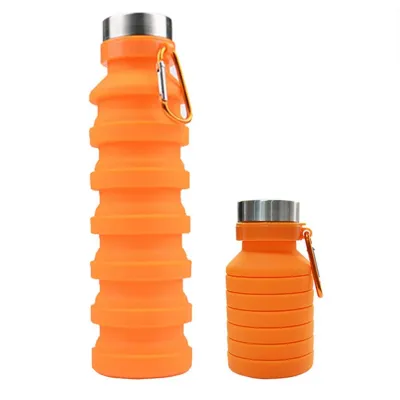
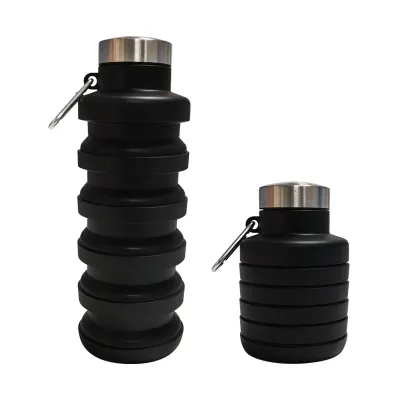
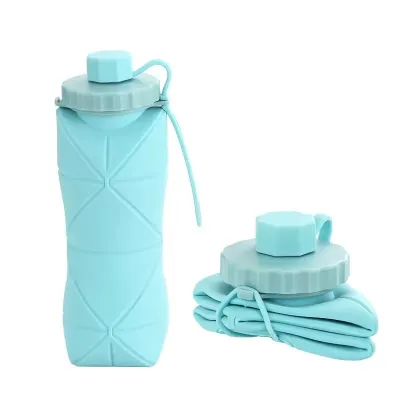
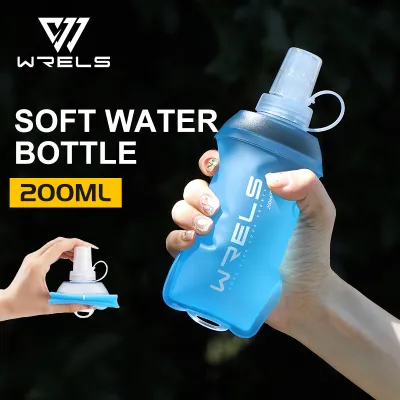
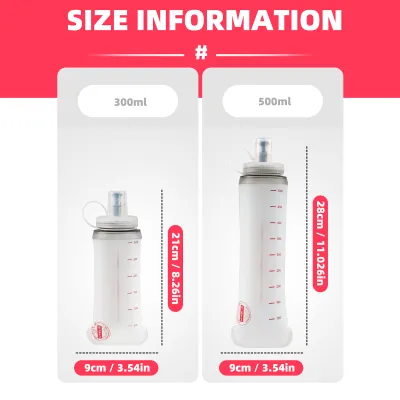
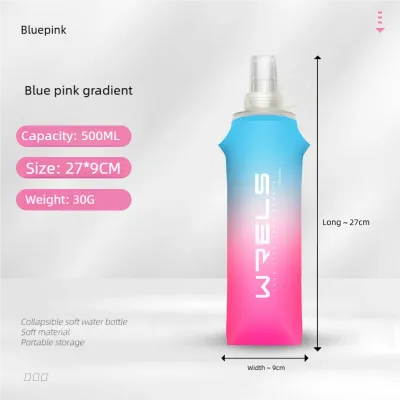
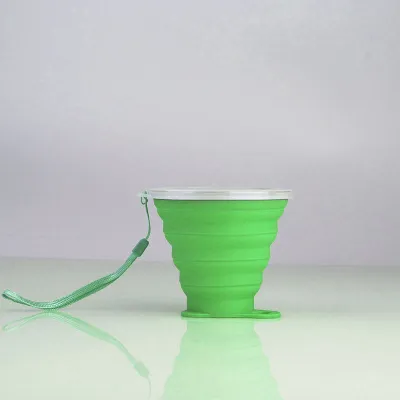
Prices are valid at publication and may change. Please refer to the product page for the latest price.
Additionally, high humidity levels cause rapid condensation to form on the outer surface of a cold, single-wall bottle. This condensation, commonly referred to as “sweating,” does more than just make the bottle slippery and difficult to hold during a run. The moisture on the exterior actually draws heat from the surrounding air and transfers it directly into your beverage, speeding up the warming process.
This creates a fundamental trade-off between maximum collapsibility and thermal resistance. The thinner and more flexible a bottle is designed to be for easy folding, the less material there is to block heat. If you prioritize a bottle that can roll down to the size of a fist, you must generally accept that your water will reach ambient temperature much faster than it would in a rigid container.
What to Look for in an Insulated Foldable Bottle
If you want a foldable bottle that can actually retain cold temperatures during a workout, you must look for specific structural features rather than standard single-layer designs. Start by checking the product specifications for multi-layer construction or specialized thermal barriers. Some advanced models incorporate a thin insulating middle layer or a reflective lining that slows down heat transfer without completely sacrificing the bottle’s ability to collapse.

Next, pay close attention to the lid and spout design, as a significant amount of heat exchange occurs through these areas. Uninsulated plastic caps and wide drinking spouts allow warm air to enter the bottle every time you take a sip. Look for bottles featuring secure, insulated lids, double-gasket seals, or covered spouts that minimize exposure to the external environment.
The bottle’s surface-area-to-volume ratio also plays a critical role in how long your water stays cold. When fully expanded, a long, thin bottle exposes more surface area to the hot ambient air than a wider, more cylindrical shape. Choosing a design that minimizes exposed surface area relative to the volume of water can help slow down the rate of temperature rise during your exercise sessions.
Finally, evaluate the external texture and grip options of the bottle. Look for integrated silicone ribs, textured patterns, or non-slip grips molded directly into the exterior. These features not only help you maintain a secure hold when your hands are sweaty but also act as a minor physical barrier, reducing the direct contact area between your warm hands and the cold liquid inside.
Insulation Designs: Double-Wall vs. Sleeves
Manufacturers of foldable sports bottles generally use two primary engineering approaches to add insulation: built-in double-wall structures or removable external sleeves. Both designs aim to slow down heat transfer, but they offer very different balances of portability, weight, and thermal performance.
Double-Wall Foldable Structures
Built-in double-wall designs utilize two layers of food-grade silicone with a small air gap or a flexible insulating material sandwiched between them. This air gap acts as a thermal buffer, significantly reducing the rate of heat conduction from the outside environment to your beverage. Because the insulation is integrated directly into the bottle, you do not have to worry about carrying extra accessories or losing separate parts.
While this design offers superior built-in cold retention, it directly impacts the bottle’s portability and weight. The extra layer makes the bottle thicker and slightly more rigid, meaning it will not roll up or compress as tightly as a single-wall counterpart. Additionally, the double-wall construction adds noticeable weight, which might be a drawback if you are tracking every gram of your gear.
This style is highly suited for activities where you need consistent cold water but have a bit of extra storage space. It is an excellent choice for cycling, hiking, or long outdoor fitness bootcamps where the bottle can remain in a backpack side pocket or a bike cage, and where absolute compressibility is less critical than keeping your drink refreshing.
Single-Wall Bottles With Insulating Sleeves
An alternative approach is pairing a standard single-wall foldable bottle with a removable insulating sleeve, typically made of neoprene or specialized thermal fabric. The sleeve acts as an external barrier that blocks ambient heat and absorbs the condensation that naturally forms on the bottle’s surface. This setup allows you to enjoy the benefits of insulation without permanently altering the bottle’s structure.
The primary advantage of this system is its versatility. When you need maximum compressibility for travel or a crowded gym bag, you can leave the sleeve behind and pack the ultra-lightweight, highly compressible bottle on its own. When you head out for a hot outdoor workout, you can slip the sleeve on to help keep your water cold and maintain a secure, dry grip.
However, external sleeves come with practical trade-offs during dynamic workouts. A loose-fitting sleeve can shift, slide, or bunch up when you run or jump, which can be distracting during high-intensity training. Furthermore, fabric sleeves easily absorb sweat, dirt, and moisture, meaning they require regular washing to prevent mold, mildew, and unpleasant odors from developing.
How to Read Insulation Claims on Labels
When shopping for a foldable water bottle, you will often encounter marketing claims promising that a product “keeps drinks cold for hours.” It is essential to approach these claims with a critical eye, as manufacturers typically conduct tests under highly controlled, air-conditioned laboratory settings that do not reflect real-world outdoor conditions. A bottle tested in a cool, dry room will perform vastly differently than one exposed to direct sunlight and high humidity during a midday run.
To verify these claims, look for the specific testing parameters if they are provided in the product documentation or on the brand’s website. Check if the manufacturer specifies the initial water temperature, the ambient room temperature during the test, and whether ice was used to achieve the stated duration. If a brand is transparent about its testing conditions, it is generally a more reliable indicator of performance than a vague marketing slogan.
User reviews are an invaluable resource for assessing real-world performance. Search customer feedback specifically for mentions of ice melt rates, how quickly the water warms up during outdoor activities, and whether the bottle experiences excessive condensation in humid climates. Pay attention to reviews written by users in tropical or hot regions, as their experiences will closely mirror your own workout conditions.
Additionally, prioritize safety by verifying that all materials—including the inner liner, outer shell, and any removable sleeves—are certified food-safe and free from harmful chemicals like BPA, BPS, and phthalates. Look for certifications from recognized bodies such as the FDA or LFGB to ensure the materials will not leach chemicals into your water, especially when exposed to heat or sunlight.
Which Foldable Bottle Fits Your Workout?
Choosing the right foldable bottle depends entirely on your specific exercise routine, environment, and portability needs. There is no single design that excels in every scenario, so you must weigh the trade-offs to find the best fit for your lifestyle.
Choose a double-wall foldable design if you prioritize consistent cold retention for extended outdoor activities, such as long runs along coastal paths or cycling loops, and you do not mind a slightly bulkier collapsed footprint in your gear bag. This design ensures your water stays cool without the hassle of managing a separate sleeve.
Choose a single-wall bottle with an insulating sleeve if you require maximum space-saving flexibility for gym workouts or travel. This option allows you to strip the bottle down to its most compact form when packing, while still giving you the option to slide on thermal protection for outdoor sessions.
Choose a standard single-wall foldable bottle if your workouts are relatively short, you exercise primarily in air-conditioned indoor spaces, or you have easy access to water coolers for frequent refills. In these scenarios, keeping water cold for hours is less critical, making absolute weight reduction and maximum compressibility your top priorities.
Verify first if the bottle’s mouth opening is wide enough to accommodate standard ice cubes. A narrow neck makes it incredibly difficult to add ice before your workout, severely limiting your ability to keep your water cold regardless of the bottle’s insulation design. Checking this physical specification before buying is one of the simplest ways to ensure your bottle meets your hydration needs.
Frequently Asked Questions (FAQ)
Does a foldable water bottle sweat during workouts? (FAQ)
Yes, single-wall silicone and TPU foldable bottles will sweat significantly when filled with cold or iced water, especially in humid conditions. The temperature difference between the cold liquid and the warm, moist air causes water vapor to condense rapidly on the bottle’s exterior. To prevent a slippery grip and wet gear, consider using a textured neoprene sleeve or opting for a double-wall design that minimizes external condensation.
Can I put ice cubes in a silicone foldable bottle? (FAQ)
Yes, high-quality food-grade silicone is highly temperature-resistant and can safely handle freezing temperatures without cracking or degrading. However, before purchasing, you must check the physical diameter of the bottle’s mouth. Many compact foldable designs feature narrow plastic necks that block standard-sized ice cubes, requiring you to use crushed ice or freeze the bottle partially filled with water instead.

Community discussion
Share your experience or ask a question. Comments are reviewed before publication.