
Cycling on modern roads and shared paths requires a high level of situational awareness. While traditional mirrors and turning your head remain essential safety habits, rear-facing radar technology has transformed how riders monitor approaching traffic from behind. The Garmin Varia RTL515 has long served as a benchmark in this category, combining a vehicle-detection radar with a bright safety light to alert both the cyclist and approaching drivers.
However, as more manufacturers enter the cycling safety market, riders now face a wider array of choices. Competing radar taillights offer alternative mounting systems, different battery configurations, and varying integration options. Choosing the right device requires looking beyond brand popularity to evaluate how a specific model fits your typical riding routes, weather conditions, and existing gear.
When comparing the Garmin Varia RTL515 to its alternatives, three primary decision factors emerge: detection capabilities, power management, and ecosystem compatibility. Whether you are navigating the busy roads of Singapore, commuting along the Park Connector Network (PCN), or embarking on long-distance endurance rides, understanding these variables ensures you select a device that actively enhances your safety.
Products mentioned in this guide
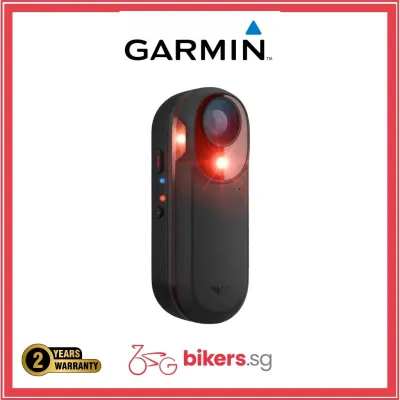
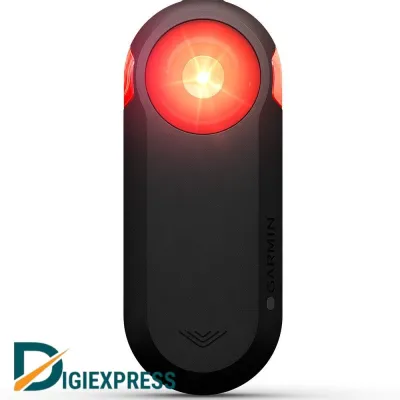
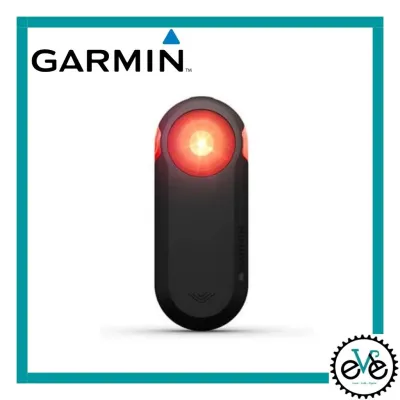
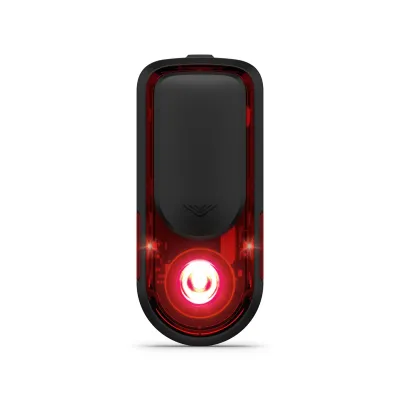
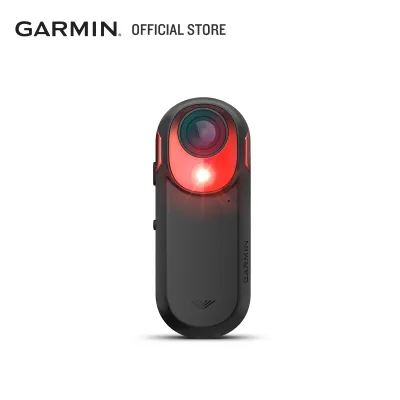
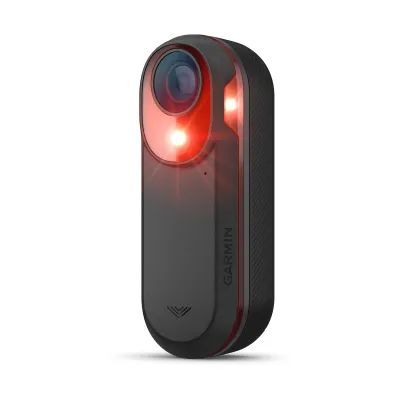
Prices are valid at publication and may change. Please refer to the product page for the latest price.
It is important to note that while radar taillights provide valuable early warnings, they are designed to supplement, not replace, rider vigilance. Environmental conditions, installation angles, and device settings all influence real-world performance. Before making a purchase, verifying current manufacturer specifications and local regulatory compliance is key to finding the ideal setup for your bicycle.
Comparing Detection Range and Alert Reliability
The primary value of any radar taillight lies in its ability to accurately identify approaching vehicles and communicate those threats to the rider. When evaluating the Garmin Varia RTL515 against alternative models, you should first check the manufacturer’s specifications for maximum detection distance. A longer detection range gives you more time to react, adjust your lane position, or prepare for a passing vehicle, especially on high-speed rural roads.
Beyond straight-line distance, the lateral field of view or beam angle is equally critical. A wider detection angle helps the radar track vehicles as they navigate bends or when you are riding on winding paths. However, a very wide beam can sometimes lead to false alerts from parallel roads or adjacent cycling lanes, so you must consider your typical riding environment when comparing these specifications.
Real-world reliability is heavily influenced by external factors that specifications sheets cannot fully account for. Heavy rain, dense tropical humidity, and road spray can temporarily degrade radar signal propagation, potentially shortening the effective warning window. Additionally, physical obstructions like rear panniers, mudguards, or saddlebags can block the radar’s line of sight, making proper mounting height and angle essential for consistent performance.
To ensure the alerts are actually useful during a ride, you should verify how different devices handle notifications. Some systems rely on color-coded visual bars on your cycling computer, while others use distinct audio tones or haptic vibrations through compatible smartwatches. Checking whether a radar model allows you to customize these alert thresholds—such as muting alerts for vehicles traveling at the same speed as you—can prevent alert fatigue on busy urban streets.
Assessing Battery Life and Power Management
A radar taillight is only effective if it remains powered throughout your entire journey. When comparing the Garmin Varia RTL515 to newer competitors, you must carefully examine the rated battery life across different operational modes. Radar processing requires continuous power, meaning these devices generally consume energy much faster than standard, non-radar safety lights.

Manufacturers typically publish separate battery runtimes for radar-only mode, solid light mode, and various flashing patterns. For instance, using a high-intensity day flash mode alongside active radar tracking will drain the battery significantly faster than running the radar with the light turned off. You should calculate your average weekly riding hours and compare them against these specific mode runtimes to determine how often you will need to recharge the unit.
The physical charging infrastructure of the device also warrants close inspection. While older models may still utilize Micro-USB ports, many modern alternatives have transitioned to USB-C, which often supports faster charging times and matches the cables used for other modern electronics. Checking the product manual for estimated charge times from empty to full will help you plan your pre-ride preparation more efficiently.
Environmental conditions in regions like Singapore, characterized by high ambient temperatures and intense humidity, can accelerate battery degradation over time. You should look for models that feature robust thermal management and clear low-battery warning systems. Some radar units will automatically disable the light component while keeping the radar active when the battery drops below a certain percentage, preserving the critical tracking function for the final stretch of your ride.
Navigating Device Compatibility and Ecosystems
Seamless integration with your existing hardware is a major factor in how satisfying a radar taillight is to use daily. Most cycling radars utilize ANT+ and Bluetooth protocols to transmit data to head units, smartphones, and wearable devices. You must verify that the specific radar model you are considering is fully compatible with the brand and model of your current cycling computer.
While the Garmin Varia RTL515 is designed to integrate flawlessly with Garmin’s own ecosystem, it also supports open ANT+ radar standards, allowing it to pair with many third-party head units. However, some proprietary features, such as advanced light network customization or specific battery status displays, may only function when paired within the same brand’s ecosystem. If you prefer using a smartphone mounted to your handlebars, check if the manufacturer offers a dedicated, stable mobile application that provides clear visual and audible alerts.
Firmware updates are another critical aspect of long-term compatibility and performance. Manufacturers frequently release software updates to improve vehicle tracking algorithms, patch bugs, and expand compatibility with newly released head units. You should investigate how easy it is to perform these updates—whether they can be done wirelessly via a smartphone app over Bluetooth or if they require connecting the device to a computer using a physical cable.
Finally, consider the multi-device pairing limits of the radar unit. If you regularly switch between using a dedicated cycling computer and a smartwatch, or if you ride in a group where multiple riders might want to receive alerts from a single radar, you need to verify if the device supports concurrent Bluetooth or ANT+ connections. This flexibility ensures that your safety gear adapts to your changing riding habits without requiring tedious re-pairing steps before every departure.
Final Verdict: Which Radar Taillight Fits Your Ride?
Choosing between the Garmin Varia RTL515 and its competitors ultimately comes down to a realistic assessment of your existing gear, riding habits, and local environment. The Garmin Varia RTL515 remains an excellent choice if you are already heavily invested in the Garmin ecosystem, as the native integration offers a highly polished, reliable user experience with minimal setup hassle. Its long track record of consistent performance makes it a safe, predictable option for many cyclists.
On the other hand, a competing alternative might be more suitable if you are looking for specific hardware features not found on the RTL515. For example, some riders may prefer models that offer USB-C charging out of the box, unique mounting brackets designed for aero seatposts, or integrated cameras for video recording. Additionally, if you are working within a strict budget, checking local retail prices in S$ might reveal alternative options that offer comparable radar detection at a lower price point.
It is also worth considering whether a radar taillight is appropriate for your primary riding locations. If your routes consist almost entirely of dense, slow-moving urban traffic or crowded shared paths, the constant stream of radar alerts can quickly become distracting rather than helpful. In such environments, a high-quality standard taillight might serve you better, saving both weight and cost.
Before finalizing your decision, take the time to verify local availability, warranty terms, and exact firmware compatibility with your current devices. Purchasing from an authorized local retailer ensures you receive valid warranty support, which is particularly valuable for electronic safety devices exposed to the elements. By matching the technical specifications of these radar units to your personal riding style, you can make an informed investment that genuinely enhances your peace of mind on the road.

Community discussion
Share your experience or ask a question. Comments are reviewed before publication.