
Selecting the right boxing gloves requires balancing your personal training goals, body weight, and the specific design features of the brand you choose. Hayabusa has established a distinct reputation in the combat sports community, particularly for its focus on wrist alignment and ergonomic hand positioning. However, finding the ideal model and weight is not a one-size-fits-all decision. Your choice depends heavily on whether you spend your hours hitting heavy bags, practicing technical drills with a partner, or engaging in full-contact sparring.
Before purchasing, it is essential to recognize that no piece of equipment can replace proper punching technique and professional coaching. While advanced glove designs offer significant support, improper form can still lead to wrist and hand injuries. Therefore, view your glove selection as a supportive tool to complement your ongoing training and skill development.
In tropical climates like Singapore, where high humidity and intense heat are standard training conditions, glove selection also involves practical maintenance considerations. Sweat buildup can rapidly degrade internal padding and create persistent odors if the glove design does not allow for proper ventilation and moisture management. Understanding how different models and weights align with your specific training environment will ensure your investment provides long-term utility and protection.
Products mentioned in this guide
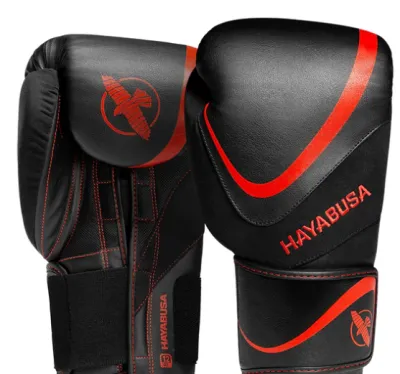
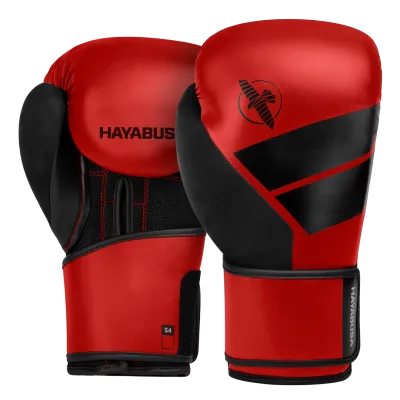
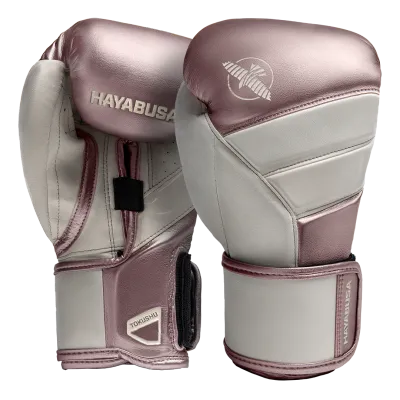
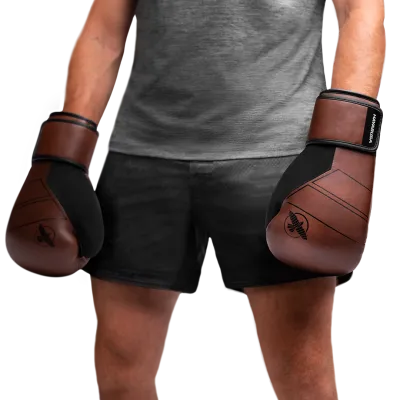
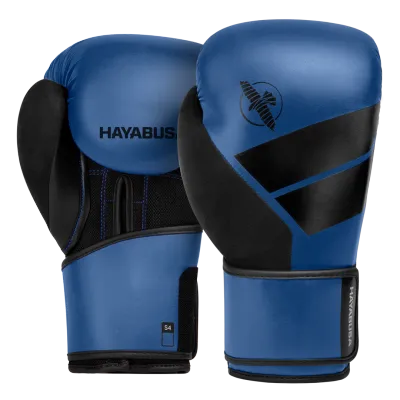
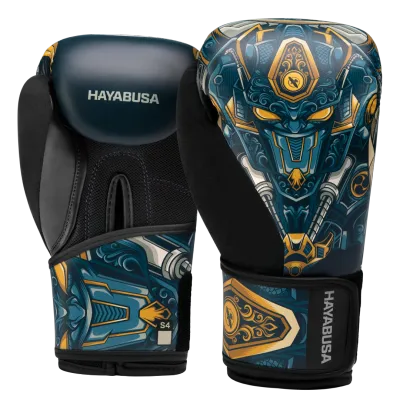
Prices are valid at publication and may change. Please refer to the product page for the latest price.
Identifying the Right Hayabusa Model for Your Training Style
To narrow down your options, first evaluate how you plan to use the gloves during your typical training sessions. Hayabusa designs different models to cater to specific activities, and choosing the wrong style can lead to premature wear of the glove or inadequate protection for your hands.
One of the first design elements to consider is the closure system. Lace-up gloves offer a highly customized fit and exceptional wrist stability because the tension can be adjusted along the entire length of the wrist cuff. However, they require a coach or training partner to tie and untie them, making them highly impractical for solo training sessions or classes where you frequently transition between glove work and other exercises. Conversely, hook-and-loop (velcro) closure systems allow you to secure and remove the gloves independently, providing the convenience needed for fast-paced group classes and solo bag work.
Next, examine the manufacturer’s labels and product specifications to identify the intended use of each model. Some models are engineered specifically as bag gloves, featuring dense, high-impact foam designed to withstand repetitive, high-velocity impacts against heavy bags and focus mitts. Other models are designated as sparring gloves, which utilize softer, multi-layered foam designed to disperse impact energy over a wider surface area, thereby protecting your training partner from unnecessary trauma. All-around training gloves attempt to strike a balance between these two extremes, offering a versatile option for athletes who participate in mixed classes.
The distribution of foam padding within the glove is another critical factor. For heavy bag work, you want a model that concentrates dense padding directly over the knuckles to prevent bruising and joint fatigue. For partner drills and defensive practice, you may prefer a model with more balanced padding distribution, including reinforced padding along the wrist and the side of the hand to help block incoming kicks or punches. Carefully matching the glove’s padding profile to your primary training activity will optimize both your safety and the longevity of the gear.
Determining the Correct Glove Weight (oz) for Your Needs
Selecting the appropriate glove weight, measured in ounces (oz), is crucial for achieving the right balance of protection, conditioning, and speed. The weight of a boxing glove is directly tied to the volume of padding inside it; heavier gloves contain more foam, which generally translates to greater impact absorption.

Lighter gloves, typically ranging from 10oz to 12oz, are designed for speed, precision, and technical development. They allow you to feel the impact of your punches more clearly, which can help you refine your knuckle alignment on the target. However, because they contain less padding, they offer less protection for your hands during heavy hitting and are generally unsuitable for partner sparring due to the risk of injuring your teammate. Many training programs utilize lighter weights primarily for pad work, speed bag drills, and light technical flow drills.
For general training and sparring, heavier gloves are the standard. A general framework for matching your body weight to standard glove sizes can help guide your decision, though you should always verify these recommendations with your specific gym guidelines:
- For individuals weighing under 60 kg, a 12oz glove is often suitable for general bag work, while a 14oz glove may be required for sparring.
- For individuals weighing between 60 kg and 80 kg, a 14oz glove serves well for general training, while a 16oz glove is typically standard for sparring.
- For individuals weighing over 80 kg, a 16oz glove is recommended for all training types to ensure adequate hand protection and partner safety.
Before finalizing your purchase, always check the specific rules of your gym or dojo. Most reputable combat sports facilities enforce strict safety policies that mandate a minimum glove weight of 14oz or 16oz for any form of partner sparring, regardless of the athlete’s body weight. These rules are designed to protect all participants from unnecessary head trauma and facial cuts, making a heavier pair of gloves a mandatory investment if you plan to advance to live sparring.
Essential Fit and Feature Checks Before Buying
Once you have identified a potential model and weight, you must evaluate the specific physical features and fit characteristics to ensure the gloves align with your anatomy and training needs.
Begin by analyzing the wrist support mechanism. Hayabusa is well-known for its dual-strap closure systems, which feature two overlapping velcro straps designed to lock the wrist in place and prevent bending upon impact. While this system offers exceptional stability—especially for individuals with a history of wrist weakness or injury—it can take slightly longer to secure and adjust than a traditional single-strap system. If you participate in multi-discipline training, such as Muay Thai or kickboxing, where you need some wrist flexibility to clinch or catch kicks, you should verify whether a highly rigid wrist support system aligns with your movement requirements.
In humid environments like Singapore, the inner lining material of the glove is a major factor in hygiene and comfort. Look for models that feature moisture-wicking fabrics and antimicrobial treatments designed to inhibit the growth of odor-causing bacteria. A high-quality lining helps draw sweat away from your hands, keeping the interior drier and preventing the internal foam from absorbing excessive moisture, which can lead to premature breakdown of the padding.
Additionally, inspect the thumb attachment and positioning. The thumb should be fully attached to the main body of the glove via a thick fabric strap, and it should sit in an ergonomic, tucked position. This design prevents the thumb from flaring outward during a punch, which significantly reduces the risk of catching your thumb on an opponent’s elbow or accidentally poking a training partner in the eye. A natural thumb position also helps you form a proper, relaxed fist before clenching upon impact.
Creating Your Final Selection Matrix
To make your final purchasing decision, you must synthesize the technical features, weight requirements, and your personal constraints into a clear selection framework.
Start by weighing your budget against your expected training frequency and the durability of the materials. Hayabusa gloves are available at various price points, often ranging from approximately S$150 to over S$250. This price difference is largely driven by the cover material. Genuine leather gloves offer excellent longevity and gradually conform to the unique shape of your hand over time, but they require regular cleaning and conditioning to prevent the leather from drying out and cracking. Engineered leather alternatives, such as Vylar, are designed to offer high surface durability and resistance to moisture absorption without the need for specialized leather maintenance, making them a practical choice for high-frequency trainers in humid climates.
Next, establish a verification protocol for your purchase. To ensure you receive an authentic product backed by the manufacturer’s warranty, purchase directly from authorized local distributors or official online storefronts. Verify the retailer’s return and exchange policies before buying, as boxing gloves must fit precisely to provide adequate protection, and you may need to exchange them if the hand pocket is too tight or too loose.
Finalizing your selection requires trying the gloves on while wearing your standard hand wraps. Hand wraps are non-negotiable for joint protection and wrist support, and they add significant volume to your hand circumference. A glove that feels perfectly snug on a bare hand may become painfully tight or restrict blood circulation once your hands are wrapped. Slide your wrapped hand into the glove, ensure your fingertips reach the end of the pocket comfortably, and verify that you can close your fist completely without excessive strain before making your final decision.
Frequently Asked Questions (FAQ)
Do Hayabusa boxing gloves fit differently than other brands?
Yes, many users find that Hayabusa gloves feature a more snug, ergonomic hand pocket compared to traditional boxing brands. Because of the structured internal foam and the emphasis on wrist alignment, the hand pocket can feel quite tight initially, especially around the knuckles and back of the hand. It is highly recommended to measure your hand circumference according to the official brand size guide and account for the thickness of your preferred hand wraps before selecting a size.
Is it safe to use one pair of gloves for both bag work and sparring?
Generally, using a single pair of gloves for both heavy bag training and live sparring is not recommended. Repetitive impact against a dense heavy bag compresses the internal foam layers over time, reducing their ability to absorb shock. If you use those same compressed gloves for sparring, you risk exposing your training partner to harder, more direct impacts. Additionally, many gyms prohibit the use of bag-worn gloves in the sparring ring to ensure partner safety, so check your local gym’s equipment policies.

Community discussion
Share your experience or ask a question. Comments are reviewed before publication.