
Choosing the right equipment for a home gym involves balancing functionality, safety, and space constraints. When selecting dumbbells, the debate between hexagon and round designs often centers on a single feature: the flat edges of the hexagonal shape. While hexagon dumbbells are widely praised for their stability, round dumbbells remain a classic choice for dynamic movements. Deciding which style is worth your investment requires looking closely at your training style, your flooring, and how you transition between exercises.
For most home fitness enthusiasts, hexagon dumbbells offer a practical, safety-first solution that prevents weights from rolling across the floor. However, they are not a universal solution for every workout style. If your routine consists of rapid, rotational lifts or if you have dedicated storage racks that already prevent rolling, the traditional round dumbbell might provide a more comfortable and balanced experience. Understanding these subtle differences will help you build a highly functional home gym without unnecessary spending.
The Core Trade-Off: Anti-Roll Stability vs. Ergonomic Comfort
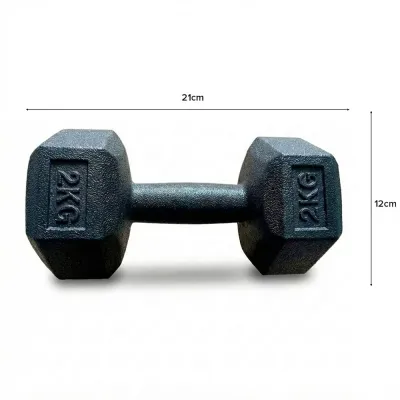
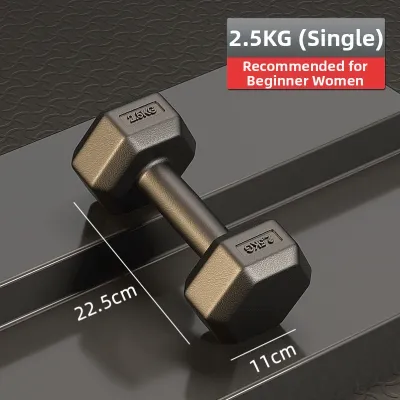
The most obvious physical difference between these two dumbbell styles is the shape of the heads. A hexagon dumbbell features six flat sides, while a round dumbbell has a completely circular profile. This structural difference directly impacts how the weights behave when you set them down. On any surface that is not perfectly level, a round dumbbell can easily roll away, whereas a hexagon dumbbell remains firmly in place. This anti-roll stability is particularly valuable during fast-paced workouts or high-intensity interval training (HIIT), where you need to drop your weights and immediately transition to the next movement without chasing rolling equipment.
Products mentioned in this guide

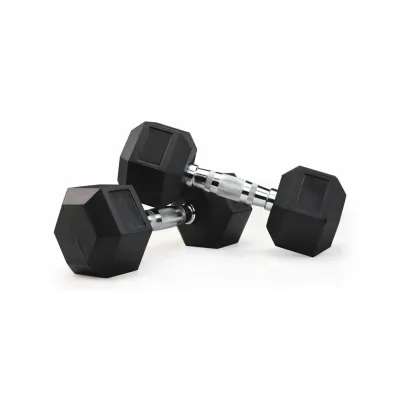
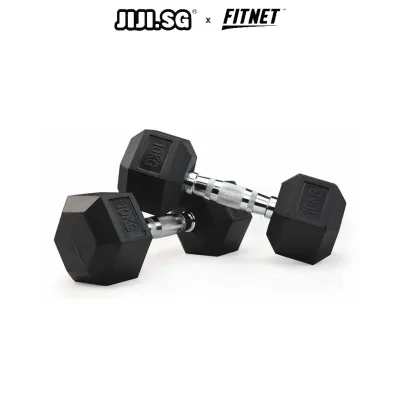
Prices are valid at publication and may change. Please refer to the product page for the latest price.
However, this stability comes with a trade-off in ergonomic comfort during dynamic exercises. Round dumbbells are generally preferred for movements that involve rotation or clean transitions, such as dumbbell snatches, cleans, or thrusters. Because the weight is distributed evenly in a perfect circle, the dumbbell rotates smoothly in your hand without any flat edges catching or shifting the center of gravity abruptly. If your training style leans heavily toward Olympic lifting variations or fluid, multi-joint movements, the round shape often feels more natural and balanced.
Assessing Your Home Gym Space and Flooring
Before deciding on a dumbbell shape, it is essential to evaluate the physical characteristics of your workout environment. In Singapore, many home gyms are set up in HDB apartments, private condominiums, or dual-use rooms where space is limited and flooring materials vary. If your workout area features tiled, vinyl, or laminated flooring, even a minor, unnoticeable slope can cause round dumbbells to roll. A rolling dumbbell is not just an inconvenience; it can quickly become a safety hazard, potentially damaging skirting boards, glass doors, or furniture, or even rolling onto your feet.

Space constraints further amplify the importance of weight stability. In tight workout areas, keeping your floor clear of tripping hazards is critical. If you are working out in a small spare bedroom or a balcony corner, a round dumbbell that rolls even a few inches out of place can disrupt your footing during dynamic movements. Hexagon dumbbells mitigate this risk entirely by staying anchored to the spot where you place them, allowing you to maximize your limited floor space safely.
Exercise Compatibility: Where Hexagon Dumbbells May Limit You
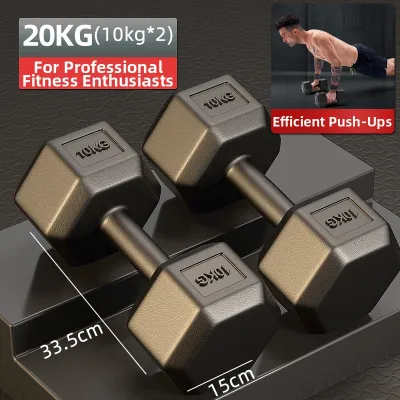
The physical shape of your dumbbells directly influences how comfortable and effective certain exercises will feel. Hexagon dumbbells are highly compatible with floor-based movements. Exercises like renegade rows, dumbbell push-ups, and plank transfers are significantly safer and more stable when performed with flat-sided weights. The flat edges of a hexagon dumbbell create a solid base against the floor, reducing the risk of the dumbbell slipping sideways and causing wrist strain or injury during weight-bearing movements.
Conversely, the flat edges of a hexagon dumbbell can introduce discomfort during exercises where the weight must rest against your body. For example, during goblet squats, dumbbell front squats, or hip thrusts, the sharp corners of a hex dumbbell can press uncomfortably into your chest, shoulders, or thighs. In contrast, the smooth, curved contour of a round dumbbell distributes the pressure more evenly across your body, making heavy sets much more tolerable. If your routine features a high volume of these body-contact lifts, the round shape may offer a more comfortable training experience.
Making the Final Call for Your Home Setup
To make the right choice for your home gym, you must align your dominant workout style and space constraints with the unique benefits of each shape. If your routine focuses on functional fitness, floor-based core work, and quick transitions in a compact space, the hexagon dumbbell is highly worth the investment. If your training consists primarily of traditional strength training, heavy compound lifts, and dynamic rotational movements where comfort against the body is a priority, round dumbbells may serve you better.
Rather than purchasing a massive, expensive full set immediately, consider an incremental approach. Start by purchasing a single pair of your primary working weight in your preferred shape. This allows you to test how the shape, material, and grip perform on your specific flooring and during your actual workouts. You can then expand your collection based on real usage gaps, perhaps choosing hex dumbbells for your lighter, floor-based weights and round dumbbells for your heavier pressing weights.
When evaluating options on an online marketplace or at a local fitness retailer, always check the product specifications carefully. Look for details regarding the material coating, such as rubber or urethane, which help protect your floors and reduce noise. Pay close attention to the edge beveling on hexagon models, as slightly rounded or chamfered edges are much more comfortable to handle than sharp, raw edges. Finally, verify the handle texture; a medium knurling provides a secure grip without being overly abrasive during high-rep home workouts.
Frequently Asked Questions (FAQ)
Can I mix hexagon and round dumbbells in the same home gym?
Yes, mixing both shapes is a highly practical way to optimize your home gym. You can use hexagon dumbbells for floor-based movements like renegade rows and plank work, while reserving round dumbbells for heavy presses and dynamic lifts. However, keep in mind that standard dumbbell racks are often designed specifically for one shape or the other. If you plan to use a multi-tier storage rack, check the manufacturer’s specifications to ensure it can securely accommodate both flat-sided and round weights without sliding or instability.
Do hexagon dumbbells damage flooring more than round ones?
Hexagon dumbbells can potentially cause more localized impact damage if dropped directly on their sharp corners, as the weight is concentrated on a smaller surface area compared to a round dumbbell. To protect your home flooring, always check the product specifications for protective rubber or urethane coatings. Regardless of the dumbbell shape you choose, it is highly recommended to use high-density rubber floor mats in your workout area to absorb impact and prevent dents or scratches on your subfloor.
Are rubber-coated hexagon dumbbells better for home use?
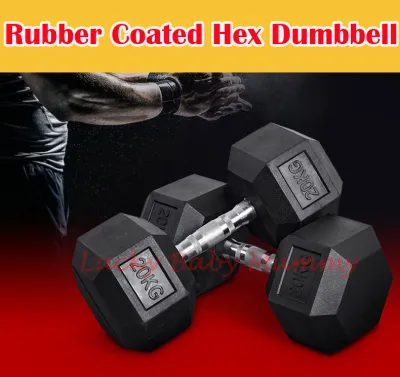
Rubber-coated hexagon dumbbells are generally the preferred choice for residential environments because they significantly reduce clanging noise and offer better protection for your floors. However, in humid climates like Singapore, it is important to check for high-quality, low-odor rubber or urethane coatings. Ensure your workout space is well-ventilated, as cheaper rubber compounds can release a strong chemical odor that lingers in enclosed rooms and may degrade faster when exposed to moisture and heat over time.

Community discussion
Share your experience or ask a question. Comments are reviewed before publication.