
Selecting the right 7kg dumbbells for home workouts requires balancing material durability, ergonomic design, and space efficiency. A 7kg weight is a highly versatile mid-range load, serving as an excellent transition point from light isolation movements to moderate compound exercises. However, without a single universally perfect option on the market, finding the right pair involves evaluating how different manufacturing standards, materials, and handle designs fit your specific training goals and home environment. By establishing a structured evaluation framework, you can confidently navigate online marketplaces and local fitness shops to build a reliable home gym setup.
In Singapore, where residential spaces like HDB flats and condominiums often require mindful space planning and noise consideration, your choice of fitness equipment must be both practical and durable. This guide provides a detailed breakdown of the essential factors to consider when purchasing 7kg dumbbells, helping you assess quality, compare construction types, and perform critical pre-purchase checks.
Core Evaluation Criteria for 7kg Dumbbells
When shopping for 7kg dumbbells, establishing baseline standards for quality and manufacturing precision is crucial to ensure you receive a product that is safe, accurate, and long-lasting. The first factor to verify is the manufacturer’s weight tolerance. In budget-grade fitness equipment, actual weights can vary significantly from the nominal weight printed on the dumbbell. A standard acceptable manufacturing tolerance for consumer-grade dumbbells is within 3% to 5% of the stated weight, whereas premium options often guarantee a tolerance within 1% to 2%. When evaluating product listings, look for specifications that explicitly state these calibration standards, as significant weight discrepancies between your left and right dumbbells can lead to muscle imbalances and altered movement mechanics over time.
Products mentioned in this guide
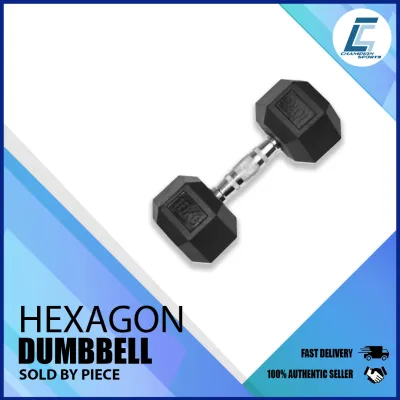
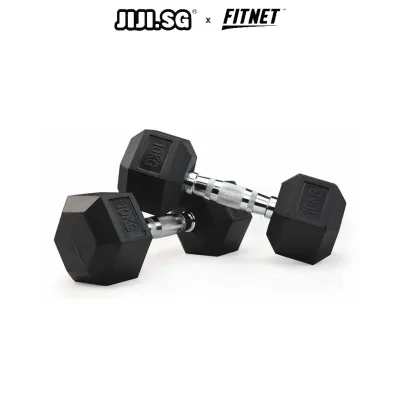
Prices are valid at publication and may change. Please refer to the product page for the latest price.
Durability indicators are heavily tied to the structural construction of the dumbbell. High-quality dumbbells typically feature a solid metal core—either cast iron or steel—where the weight heads are securely welded or mechanically fastened to the handle. Lower-grade options may use hollow plastic shells filled with sand, concrete, or iron filings. These filled options are generally much bulkier, making them awkward to balance during dynamic movements, and they are highly susceptible to cracking and leaking over time. Verifying that the core is solid metal ensures the dumbbell can withstand repeated use and accidental impacts without losing structural integrity.
Space efficiency and storage compatibility are equally important, especially in typical Singaporean home environments where floor space is at a premium. The physical dimensions of a dumbbell—specifically its overall length and head diameter—determine how easily it can be stored in a drawer, under a bed, or on a compact vertical rack. Solid metal dumbbells have a higher material density, resulting in a much smaller physical footprint than concrete-filled or thick plastic-coated alternatives. Choosing a compact design not only makes storage more manageable but also prevents the dumbbells from clashing against your body or each other during tight-clearance exercises like hammer curls or chest presses.
Comparing Common Materials and Coatings
The exterior material and coating of your dumbbells directly impact floor protection, noise reduction, and long-term maintenance requirements. Understanding the trade-offs between different materials will help you select an option that suits your flooring and living situation.

Cast iron and steel are the primary core materials used in dumbbell manufacturing. Cast iron is highly dense and cost-effective, but bare cast iron is highly susceptible to rust when exposed to Singapore’s humid tropical climate. Steel is exceptionally durable and can be machined to highly precise tolerances, but it is generally more expensive. To protect the metal core from moisture and prevent rust, manufacturers apply various protective coatings, each with distinct performance characteristics.
Rubber and urethane are the most common protective coatings used for heavy-duty dumbbells. Rubber coatings provide excellent shock absorption and noise dampening, which is essential for high-rise living where dropping a weight could disturb neighbors downstairs. However, cheap recycled rubber coatings often emit a strong, persistent chemical odor that can be unpleasant in small, enclosed rooms. Polyurethane (urethane) is a premium alternative that is virtually odorless, highly resistant to tearing, and does not degrade or stretch when exposed to sweat or sunlight. While urethane dumbbells carry a higher price tag, they offer superior longevity and a cleaner aesthetic for indoor home gyms.
Neoprene and vinyl coatings are popular choices for lighter to mid-range weights, including the 7kg increment. Neoprene has a soft, matte, textured finish that provides a comfortable, slip-resistant grip even when your hands are sweaty. It is highly effective at preventing minor scratches on tiled or vinyl flooring, though the textured surface can accumulate dirt and sweat stains over time. Vinyl coatings feature a smooth, glossy finish that is incredibly easy to wipe clean after a workout. However, vinyl can become quite slippery when wet with sweat, which may compromise your grip security during high-rep training sessions.
Handle Ergonomics and Grip Design
The handle of a dumbbell is your direct point of contact with the weight, making ergonomics and grip design critical for safety, comfort, and exercise mechanics. Matching handle specifications to your hand size and training style can significantly reduce hand fatigue and prevent wrist strain.
Handle diameter is a key specification to check before purchasing. For a 7kg dumbbell, handle diameters typically range from 28mm to 32mm. If you have smaller hands, a thicker handle (32mm or wider) can cause premature forearm fatigue because your hand must work harder to maintain a secure grip, particularly during pulling movements like rows or deadlifts. Conversely, a handle that is too thin can cause hand cramping during heavy pressing movements. A diameter of 28mm to 30mm is generally considered a highly versatile middle ground that accommodates most hand sizes comfortably.
Knurling refers to the cross-hatch pattern etched into metal dumbbell handles to improve grip traction. The depth and pattern of this knurling determine how secure the dumbbell feels in your hand. A medium, consistent knurling pattern provides excellent grip security without being so sharp that it tears or blisters your skin during high-rep workouts. If you prefer a softer feel or want to avoid calluses, you might opt for dumbbells with passive knurling or those coated in neoprene. However, for exercises where grip security is paramount, a well-machined metal knurling is highly recommended.
Handle shape also plays a role in wrist alignment and comfort. Straight handles offer a uniform diameter across the entire length of the grip, allowing you to shift your hand position closer to the weight heads if needed for specific exercises. Contoured or ergonomic handles are thicker in the middle and taper toward the ends, matching the natural curve of a closed fist. This contoured design can help distribute the weight more evenly across your palm, reducing pressure points and promoting better wrist alignment during pressing exercises.
Fixed vs. Adjustable Dumbbells for the 7kg Load
Before purchasing a dedicated pair of 7kg dumbbells, it is worth considering whether fixed dumbbells or an adjustable dumbbell system will offer better long-term value for your fitness journey.
Fixed 7kg dumbbells are sold as a dedicated pair with a set, non-changeable weight. They are highly durable because they have no moving parts, making them virtually indestructible under normal home use conditions. A pair of fixed dumbbells is relatively inexpensive upfront, typically costing between S$30 and S$70 depending on the materials and coatings. However, if your fitness level progresses and you require heavier weights for compound movements, you will need to purchase additional pairs, which can quickly become expensive and require dedicated storage racks.
Adjustable dumbbell systems allow you to change the weight load by adding or removing plates, or by turning a dial on a selectorized system. Many adjustable sets include the 7kg increment as part of their weight range (for example, adjusting from 2kg to 20kg in small increments). While the initial investment for a high-quality adjustable set is significantly higher—often ranging from S$150 to over S$400—it replaces the need to buy multiple individual pairs of dumbbells. This consolidation makes adjustable systems incredibly space-efficient, as an entire set of weights occupies the footprint of just a single pair of dumbbells.
Your choice between the two formats should also consider your workout style and transition speed. If your training routine involves fast-paced supersets, drop sets, or circuit training where you need to switch weights instantly, fixed dumbbells are highly advantageous. Stopping to unscrew spinlock collars or adjust selector dials can disrupt your workout flow and lower your heart rate. Additionally, adjustable dumbbells contain mechanical components, dials, or locking pins that can wear out or break if dropped, whereas fixed dumbbells offer unmatched mechanical reliability.
Building Your Purchase Shortlist and Pre-Buy Checks
Once you have determined your preferred materials, handle designs, and dumbbell type, you can begin building a purchase shortlist. Performing a few critical pre-buy checks on local e-commerce platforms and retail stores will help you avoid low-quality products and unexpected fees.
Start by verifying the seller’s credentials and product warranties. When shopping on online marketplaces, prioritize official brand stores or authorized local distributors. Look for listings that offer a clear warranty period—ideally at least 3 to 6 months—covering manufacturing defects, structural failures, or premature coating degradation. A reliable warranty indicates that the seller stands behind the quality of their product and provides a clear path for returns or exchanges if you receive a defective item.
Next, carefully filter user reviews to identify potential red flags. Do not rely solely on overall star ratings; instead, search the review text for specific keywords like “smell,” “rust,” “peeling,” or “accuracy.” Pay close attention to reviews from buyers in Singapore or other humid climates, as they can provide valuable insights into how well the dumbbell’s coating resists rust and moisture over time. If multiple reviews mention that the rubber coating has a strong chemical odor that does not dissipate, or that the handle knurling arrived rusted, it is best to remove that option from your shortlist.
Finally, calculate the total cost of delivery before checking out. Dumbbells are heavy, dense items, and shipping fees can add a significant surcharge to your purchase. Some online sellers offer low product prices but charge high delivery fees, while others include free local delivery if you meet a minimum spending threshold. Additionally, check if there are extra charges for delivery to non-lift accessible floors or specific residential zones. Factoring in these delivery costs ensures you are making an accurate price comparison and getting the best overall value for your budget.
Frequently Asked Questions (FAQ)
Can I use 7kg dumbbells for both upper and lower body exercises?
Yes, 7kg dumbbells are highly versatile, but their suitability depends heavily on your current strength level and the specific muscle groups you are targeting. For upper body isolation exercises—such as bicep curls, lateral raises, tricep extensions, and shoulder presses—a 7kg load is a moderate to challenging weight for many fitness enthusiasts, making it excellent for building muscular endurance and strength. However, for compound lower body movements like squats, lunges, and deadlifts, a total load of 14kg (using a pair of 7kg dumbbells) may quickly become too light to stimulate significant muscle growth or strength progression. For lower body training, you may eventually need to transition to heavier weights or use the 7kg dumbbells for high-rep, cardiovascular-focused metabolic conditioning.
How should I clean and maintain rubber-coated dumbbells?
To prolong the lifespan of rubber-coated dumbbells and prevent the material from degrading, you should clean them regularly using mild, non-abrasive cleaning agents. Avoid using harsh chemical solvents, bleach, or alcohol-based sprays, as these can dry out the rubber, causing it to crack, discolor, or become sticky over time. Instead, mix a few drops of mild dish soap with warm water, dampen a microfiber cloth with the solution, and gently wipe down the entire surface of the dumbbells to remove sweat, oils, and dust. Immediately dry the dumbbells thoroughly with a clean towel. To prevent rust on any exposed metal handles, store your dumbbells in a well-ventilated indoor area away from direct sunlight, rain, and high-humidity zones like open balconies.

Community discussion
Share your experience or ask a question. Comments are reviewed before publication.