
Selecting a 12 kg kettlebell is a highly versatile choice, serving as an ideal starting weight for lower-body movements or a transitional weight for intermediate lifters. However, choosing the right kettlebell requires looking beyond the weight stamped on the side. A poorly designed handle with sharp mold seams or an unstable, rounded base can turn a productive workout into a frustrating, painful experience. To make a safe and lasting investment, you must evaluate several critical pillars: the overall bell style, grip ergonomics, structural construction, surface coatings, and the logistics of purchasing heavy equipment in Singapore.
Understanding Kettlebell Styles: Cast Iron vs. Competition
Kettlebells generally fall into two primary design categories: cast iron and competition steel. Understanding the physical differences between these styles is essential for matching the equipment to your training routine, experience level, and hand size.
Cast iron kettlebells are cast as a single piece of metal, and their physical dimensions scale proportionally with their weight. A lighter cast iron bell is physically smaller, while a heavier one is much larger. A 12 kg cast iron kettlebell sits in the middle of this spectrum, offering a moderate, compact size that is highly manageable for most lifters.
Products mentioned in this guide
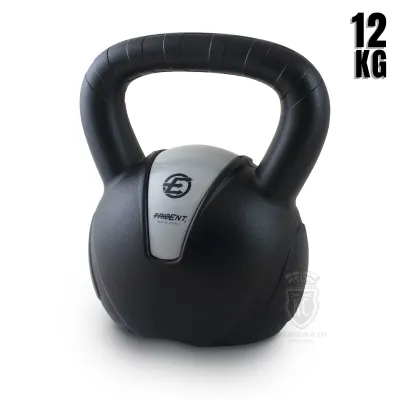
![[INSTOCK] PVC Kettlebells 8KG Kettlebell / 12KG Kettlebell](https://img.lazcdn.com/g/p/af437cbbe820b8f4d3944c3104980255.png_400x400q80.png_.webp)
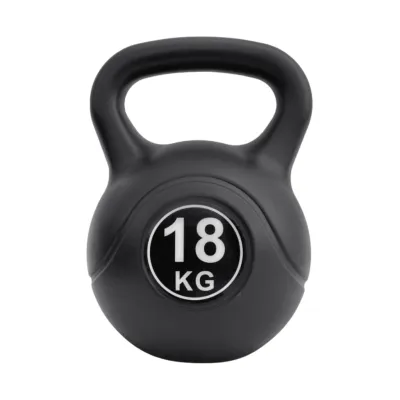
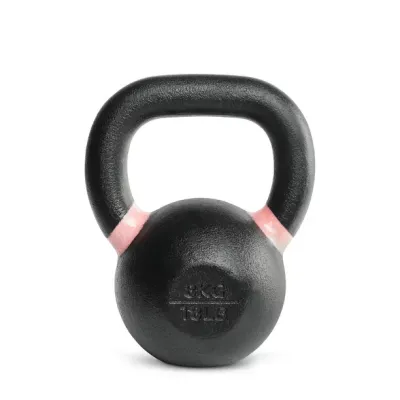
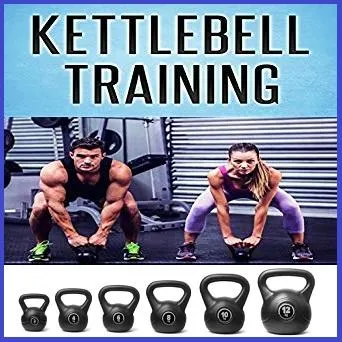
![[SG Ready Stock]Soft Kettlebell Women Fitness Home Software 2-12kg Kettlebell Squat Exercise Hip Strength Training Sand Kettlebell](https://img.lazcdn.com/g/p/f89dbaf680bd52fa3ce547122f19ae17.jpg_400x400q80.jpg_.webp)
![[SG In Stock] 2-12kg UTS Home Soft Kettlebell Fitness Training Equipments Kettlebell Squat Exercise](https://img.lazcdn.com/g/p/aec1b48ada47f1ebcff76c4b7703f899.jpg_400x400q80.jpg_.webp)
Prices are valid at publication and may change. Please refer to the product page for the latest price.
In contrast, competition kettlebells are made of steel and maintain uniform external dimensions regardless of weight. A 12 kg competition kettlebell is the exact same physical size as an 8 kg or a 32 kg competition kettlebell. The internal cavity is hollowed out or filled to achieve the target weight. This uniformity ensures that your lifting mechanics, forearm clearance, and rack positions remain identical as you progress to heavier weights.
Handle geometry also differs significantly between the two styles. Cast iron kettlebells typically feature wider, slightly curved handles that flare outward. This design is highly accommodating for two-handed movements, such as the classic two-handed kettlebell swing, because it allows both hands to fit comfortably side-by-side. The handle diameter also tends to scale with the weight, meaning a 12 kg cast iron bell will have a moderately thick grip.
Competition kettlebells feature a standardized, rectangular handle with a smaller, uniform diameter (typically 33 mm or 35 mm) and no flare. This design is optimized for single-handed, high-repetition ballistic movements like snatches, cleans, and jerks. The narrower handle prevents the hand from sliding laterally, reducing friction and hand fatigue during long endurance sets.
To align your choice with your training goals, consider your primary exercises. If your routine consists of general fitness, powerlifting assistance work, goblet squats, and two-handed swings, a cast iron kettlebell is often the more practical and cost-effective choice. If you plan to pursue formal kettlebell sport, focus heavily on single-arm Olympic-style lifts, or want to build consistent technique that translates seamlessly as you progress, a competition kettlebell is the appropriate tool.
Key Quality Indicators for the Handle and Grip
The handle is your only point of contact with the kettlebell, making its design and finish paramount for safety and comfort. First, evaluate the handle diameter and clearance. The clearance—the vertical distance between the underside of the handle and the top of the bell body—must be sufficient to allow your hand to pass through comfortably without your knuckles rubbing against the bell. For a 12 kg kettlebell, look for a clearance that allows you to insert your hand fully in the rack position without pinching. If the clearance is too shallow, you risk bruising your wrists and forearms during cleans and snatches.

Next, inspect the mold seams. Kettlebells are cast in molds, which naturally leaves a seam along the inner and outer edges of the handle. In high-quality manufacturing, these seams are ground down completely smooth. In cheaper, lower-quality casts, the seam may remain sharp or abrasive. During dynamic movements like swings or cleans, where the kettlebell rotates within your palm, a sharp seam will quickly tear your calluses and blister your skin. When purchasing, verify that the handle is described as smooth or hand-finished, or inspect it visually for any raised ridges.
Surface texture and chalk retention are also critical for maintaining a secure grip. A handle that is too slick, such as one finished with a thick, glossy plastic or cheap chrome plating, can easily slip out of sweaty hands, posing a safety hazard to you and your flooring. Conversely, an overly rough, unfinished handle can cause excessive friction. If you plan to use lifting chalk, look for a finish that holds chalk evenly without caking. Matte powder coatings and e-coatings are highly regarded for their balanced texture, providing a secure grip with or without chalk, whereas smooth painted or vinyl-coated handles tend to perform poorly when wet with sweat.
Assessing the Body, Base, and Weight Accuracy
A kettlebell’s structural integrity and stability are vital for both exercise execution and safety. Start by examining the base design. The bottom of the kettlebell must be machined flat and wide enough to support the weight of the bell—and your body—during floor-based exercises. Movements like renegade rows, push-ups on the bells, and kettlebell planks require a rock-solid foundation. If the base is rounded, uneven, or too narrow, the kettlebell can wobble or tip over under load, potentially causing severe wrist sprains or hand injuries. Look for kettlebells with a wide, machined flat bottom rather than those with raw, uneven cast bases.
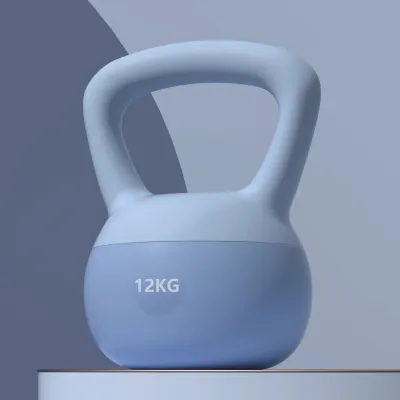
The construction method directly impacts the durability and balance of the tool. High-quality kettlebells are manufactured using a single-cast method, where the entire bell and handle are poured as a single piece of molten iron or steel. This eliminates weak points. Avoid kettlebells with welded handles, as the joint between the handle and the bell is a common failure point under high stress. Additionally, steer clear of cheap, plastic-shell kettlebells filled with sand, concrete, or iron shot. These filled bells often have a shifting center of gravity as the internal material moves, and they are prone to cracking, leaking, or rattling over time.
Weight tolerance is another indicator of manufacturing quality. While a kettlebell is labeled as 12 kg, cheap manufacturing processes can result in actual weights that vary significantly. A variance of several hundred grams might not seem like much, but it can disrupt your progression and balance, especially if you eventually transition to double-kettlebell training. Reputable manufacturers specify their weight tolerance, often guaranteeing accuracy within a small percentage of the stated weight. Check the product specifications for these tolerance ratings to ensure you are actually lifting 12 kg.
Evaluating Coatings and Rust Resistance
The coating of your kettlebell determines how well it resists wear, tear, and environmental degradation. In Singapore’s tropical climate, high relative humidity and ambient moisture accelerate rust formation on bare metal. Therefore, choosing the right protective finish is essential.
Powder coating is one of the most popular finishes for cast iron kettlebells. It involves applying a dry powder that is cured under heat to form a tough, textured skin. Powder coat offers excellent chip resistance, a comfortable matte texture, and reliable rust protection, making it highly suitable for home gyms. E-coating (electrodeposition coating) is another premium option that uses an electrical current to apply a thin, uniform paint layer. E-coat is exceptionally durable, highly resistant to corrosion, and maintains the natural texture of the underlying metal, though it can feel slightly slicker than powder coat.
Enamel and vinyl coatings are also common but have distinct trade-offs. Enamel paint provides a smooth, glossy finish that looks good initially but is highly prone to chipping when kettlebells clank together. Once chipped, the exposed iron underneath will rust rapidly. Vinyl or rubber-coated kettlebells feature a thick sleeve around the bell body, which helps protect your floors from scratches. However, these sleeves can trap moisture underneath, leading to hidden rust, and the handles are often left bare or finished with cheap chrome that can flake off.
To maintain your kettlebell in Singapore’s humid environment, establish a simple care routine. After every workout, wipe down the handle and body with a dry microfiber cloth to remove sweat, skin oils, and chalk residue, which attract moisture. If you notice any chips in a powder-coated or painted finish, clean the area and apply a small amount of rust-inhibiting paint or a light coat of multi-purpose oil to prevent rust from spreading. Store your kettlebell indoors in a dry, well-ventilated space rather than on an open balcony or in a damp utility closet.
Pre-Purchase Checks: Shipping, Returns, and Warranty
Purchasing a 12 kg kettlebell in Singapore involves practical logistical considerations, especially when ordering online. Because kettlebells are dense and heavy, shipping costs can add a significant premium to the purchase price. When browsing local fitness retailers or online marketplaces, pay close attention to delivery fees. Some sellers charge flat rates based on weight, while others offer threshold-based free shipping in S$ to offset the high freight costs of dense iron. Combining your kettlebell purchase with other fitness accessories, such as resistance bands or chalk, can help you meet these thresholds and save on freight costs.
Before finalizing your purchase, carefully review the retailer’s return policy regarding manufacturing defects. Inspecting the kettlebell immediately upon delivery is crucial. Check for sharp handle seams, an uneven base that wobbles on flat tiles, or significant cosmetic damage. If you need to return a defective 12 kg item, shipping it back can be incredibly expensive. Ensure the retailer’s policy explicitly states that they will cover the return shipping costs or arrange for a courier pickup if the product arrives damaged or defective.
Finally, examine the warranty scope. A quality kettlebell should last a lifetime, but warranties vary. Look for a warranty that covers structural failures—such as the handle snapping or the casting cracking—for at least one to two years. Keep in mind that almost all warranties exclude normal cosmetic wear and tear, such as paint chipping, surface rust from sweat exposure, or scratches from floor contact. Understanding these terms beforehand protects your investment and ensures peace of mind.
Frequently Asked Questions (FAQ)
Is a 12 kg kettlebell an appropriate starting weight for beginners?
A 12 kg kettlebell is a highly versatile starting weight for many beginners, but its suitability depends on the specific exercises and your baseline strength. For lower-body dominant movements like deadlifts, goblet squats, and two-handed swings, 12 kg is often an excellent starting point that provides enough resistance to learn proper hip-hinge mechanics. However, for upper-body movements like overhead presses, Turkish get-ups, or single-arm snatches, 12 kg may feel too heavy for unconditioned lifters. If you are unsure, it is wise to test your strength with lighter weights or consult a fitness professional to determine your safe starting baseline.
Can I use a competition-style kettlebell for general strength training?
Yes, you can absolutely use a competition-style kettlebell for general strength training. The primary benefit of a competition bell is its uniform size; as you progress from 12 kg to heavier weights, your lifting technique, hand placement, and forearm clearance remain identical. This consistency can accelerate your skill development. The main drawback is the handle design. Competition handles are narrower and designed for single-handed grips, which can make two-handed swings cramped and uncomfortable, especially if you have larger hands. If your routine relies heavily on two-handed movements, a cast iron bell may be more comfortable.
How should I maintain the finish and prevent rust on my kettlebell?
Preventing rust on your kettlebell requires consistent, low-risk maintenance, particularly in Singapore’s humid climate. After every training session, use a clean, dry cloth to wipe away sweat, moisture, and chalk from the handle and body. Chalk is highly hygroscopic, meaning it absorbs and holds moisture against the metal, accelerating rust. If your kettlebell has bare steel or raw iron sections, periodically apply a very light coat of a manufacturer-approved protective oil or mineral oil, then wipe it dry. Store the equipment indoors in a dry, climate-controlled room to minimize exposure to ambient humidity.

Community discussion
Share your experience or ask a question. Comments are reviewed before publication.