
Starting a home fitness journey is an excellent step toward better health, and choosing a 2kg dumbbell set is one of the most practical ways to begin. For beginners, starting with a lighter weight like 2kg allows you to focus entirely on mastering proper exercise form, building joint stability, and establishing a consistent routine without the risk of strain or injury. Whether you are looking to tone your upper body, add resistance to cardio workouts, or ease into strength training, a 2kg set offers the perfect balance of accessibility and challenge. To find the right set for your home, you will need to evaluate key factors such as exterior materials, grip ergonomics, and whether a fixed or adjustable setup best fits your space and budget.
Why 2kg Weights Suit Beginner Home Workouts
A 2kg dumbbell set is highly versatile, making it an ideal starting point for a wide range of fitness levels. This weight is particularly suited for learning the mechanics of upper body exercises, such as lateral raises, bicep curls, and shoulder presses, where using too much weight early on can lead to compromised form and shoulder strain. It is also highly effective for high-repetition muscular endurance workouts, physical therapy, rehabilitation exercises, and adding light resistance to dynamic movements like pilates, barre, or shadowboxing.
While 2kg is excellent for upper body training and endurance, you may find that it quickly becomes too light for lower body compound movements. Exercises that target larger muscle groups, such as squats, lunges, and deadlifts, utilize the powerful muscles of your legs and glutes, which can naturally handle heavier loads. If your primary goal is to build significant lower body strength, you will likely need to transition to heavier weights or an adjustable set relatively quickly.
Products mentioned in this guide


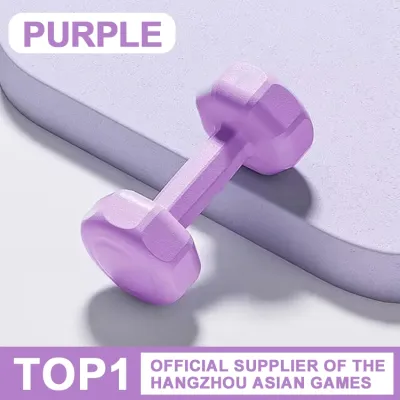
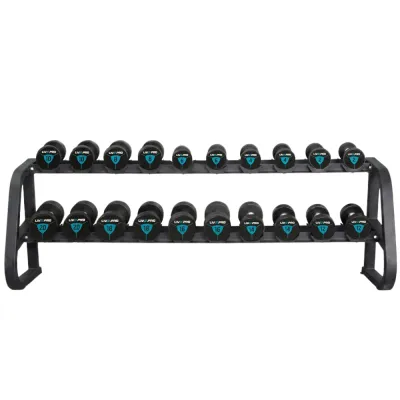
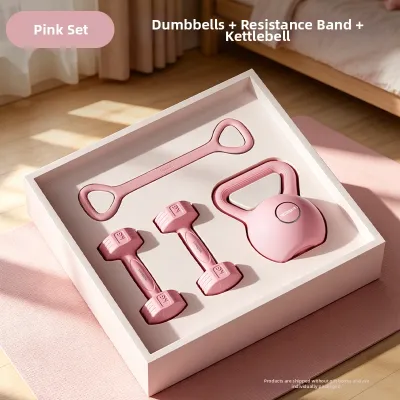
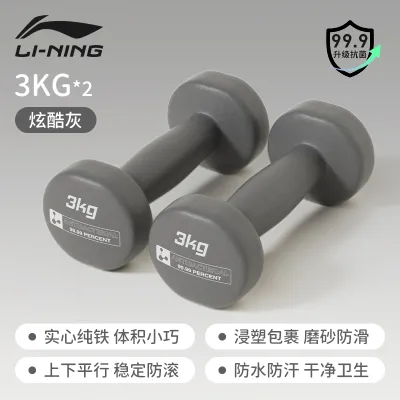
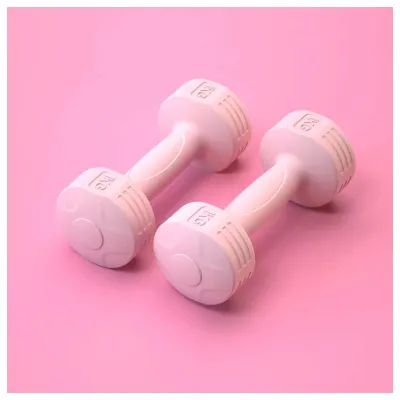
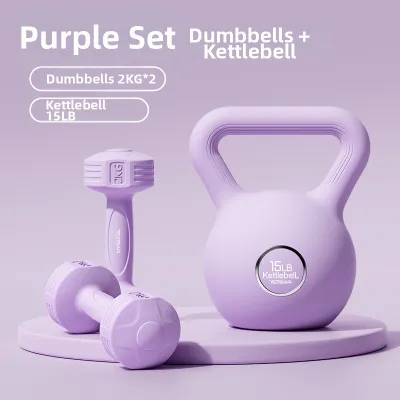
Prices are valid at publication and may change. Please refer to the product page for the latest price.
Before committing to a purchase, you can easily assess your personal baseline strength at home. Try lifting a common household item of a known weight, such as a 1.5-litre water bottle (which weighs approximately 1.5kg) or a 2kg bag of rice. Perform 15 to 20 repetitions of a basic shoulder press or bicep curl. If you can complete the repetitions with perfect form and feel a moderate level of muscle fatigue in the last few reps, a 2kg dumbbell set is your ideal starting point. If the movement feels completely effortless even after 30 repetitions, you may want to consider starting with a slightly heavier option.
Core Selection Criteria for 2kg Dumbbell Sets
When selecting your dumbbells, the physical design and ergonomics play a massive role in how comfortable and safe your workouts will be. The grip diameter is one of the most critical factors to consider. For 2kg dumbbells, handle diameters typically range from 25mm to 30mm, which is generally comfortable for small to medium hands. However, some poorly designed plastic-molded weights have excessively thick handles that can cause hand fatigue and wrist strain before your target muscles are actually tired. Look for handles that allow your fingers to wrap securely and comfortably.

Handle texture is equally important for maintaining control during sweaty workouts. While knurled metal handles provide the most secure, slip-resistant grip, they can feel rough on uncalloused hands. On the other hand, smooth plastic handles can become incredibly slippery when wet with sweat. Textured neoprene or vinyl coatings offer a great middle ground for beginners, providing a soft, comfortable feel while maintaining a reliable grip.
Weight distribution and the physical shape of the dumbbell ends also affect safety and usability. Hexagonal-shaped dumbbells are highly recommended for home use because their flat edges prevent them from rolling across the floor. This is a crucial safety feature if you are training on slightly uneven surfaces or storing your weights on a flat shelf. Round dumbbells are perfectly functional but require extra care to ensure they do not roll away and cause tripping hazards or damage to your home.
Finally, consider how the dumbbells are sold and stored. While most retailers sell dumbbells in pairs, some online listings sell them as single units, so always double-check the product description before checking out. For storage in compact living spaces, look for sets that come with a small vertical A-frame rack or a dedicated storage case. Keeping your weights organized not only protects your floors but also keeps your workout space tidy and inviting.
Comparing Common Coatings and Materials
The exterior material of your dumbbells determines their durability, how they feel in your hands, and how well they protect your home environment. Neoprene and vinyl are the two most popular coatings for light home weights. Neoprene has a soft, matte, slightly textured finish that naturally absorbs moisture and provides an excellent grip even when your hands are sweaty. Vinyl has a smooth, glossy finish that is incredibly easy to wipe clean after a workout, though it can become somewhat slippery during high-intensity sessions. Both materials are typically color-coded by weight, making them easy to identify, and they provide a cushioned barrier that protects your floors from scratches.
Rubber and urethane coatings are premium options that offer outstanding durability and shock absorption. If you live in a high-rise apartment and want to minimize the noise of weights clinking or touching the floor, rubber-coated dumbbells are an excellent choice. However, lower-quality rubber can sometimes emit a strong, chemical odor that persists in small, enclosed rooms. Urethane is a high-grade alternative that is completely odorless, highly resistant to tearing, and does not degrade under sunlight, though it generally comes at a higher price point.
Bare cast iron or chrome-plated dumbbells offer a classic, traditional gym aesthetic and are virtually indestructible. However, bare metal is highly susceptible to rust, especially in humid tropical climates. If you choose metal weights, you must be prepared to wipe them down thoroughly after every workout to remove sweat and moisture. Furthermore, metal weights pose a much higher risk of scratching or denting tiled, vinyl, or parquet flooring, meaning you will always need to use a protective exercise mat during your workouts.
Fixed vs. Adjustable 2kg Options
Deciding between fixed dumbbells and an adjustable dumbbell system depends on your long-term fitness goals, available space, and budget. Fixed dumbbells are single-weight units that are permanently set at 2kg. They are incredibly convenient because they require zero setup time; you can simply pick them up and start exercising immediately. This makes them perfect for fast-paced circuit training or high-intensity interval training (HIIT) where quick transitions between exercises are essential. Because they have no moving parts, there is also zero risk of plates shifting or locking mechanisms failing.
Adjustable dumbbell systems allow you to change the weight by adding or removing plates or turning a dial. A set that includes a 2kg starting option is highly versatile, allowing you to scale up to 5kg, 10kg, or more as your strength improves over time. This is incredibly space-efficient for compact living areas, as one pair of adjustable dumbbells can replace an entire rack of fixed weights. However, adjustable sets tend to be bulkier and wider than fixed 2kg dumbbells, which can make certain movements, like overhead presses or bicep curls, feel slightly awkward at lighter weights.
If you choose an adjustable system, performing regular safety checks is paramount. Always inspect the spinlock collars, spring clips, or dial locking mechanisms before every workout to ensure they are fully secure. Loose plates can shift during movement, throwing off your balance, or worse, slip off entirely and cause injury. Ensure the threads on spinlock bars are clean and free of debris so the collars can tighten completely.
Pre-Purchase Checklist and Safety Checks
Before finalizing your purchase on any online marketplace or local sports retailer, go through a quick quality checklist to ensure you are getting a safe and reliable product. First, verify the weight accuracy of the dumbbells. Lower-end manufacturing processes can sometimes result in weight discrepancies where a dumbbell labeled “2kg” actually weighs significantly more or less. Check customer reviews or manufacturer specifications for weight tolerance guarantees to ensure you are getting an accurate set.
Second, inspect the physical build quality of the weights. Look out for sharp plastic seams on the handles of vinyl-coated weights, which can pinch your skin or cause blisters during use. Check for any loose, peeling, or cracked coatings, as these indicate poor durability and can expose the inner metal to moisture and rust. If you are buying adjustable weights, ensure all locking components fit tightly without any wobbling.
Finally, align your choice with a realistic budget and review the retailer’s return policy. In Singapore, a basic pair of fixed 2kg neoprene or vinyl dumbbells typically ranges from S$10 to S$30, while premium urethane or adjustable sets will cost more. Because dumbbells are heavy items, returning a defective or damaged set can be costly and inconvenient. Prioritize retailers that offer local customer support, clear warranty terms, and hassle-free return or exchange policies in case your items arrive damaged or defective.
Frequently Asked Questions (FAQ)
Can I build muscle using only a 2kg dumbbell set?
While a 2kg dumbbell set is generally too light to stimulate significant muscle hypertrophy (size growth) in larger muscle groups like your legs or back, it is highly effective for building muscular endurance and toning smaller muscle groups like your shoulders, triceps, and biceps. To continue making progress and building muscle with lighter weights, you can focus on increasing the number of repetitions, slowing down the tempo of your movements to increase time under tension, or reducing the rest time between your sets. Eventually, to build substantial muscle mass, you will need to apply progressive overload by transitioning to heavier weights.
How do I clean and maintain coated dumbbells?
Proper maintenance extends the lifespan of your dumbbells and keeps them hygienic. For neoprene and vinyl coatings, use a damp cloth with a small amount of mild dish soap or a gentle, alcohol-free disinfectant wipe to clean off sweat and oils after each workout. Avoid using harsh chemical solvents, bleach, or abrasive scrubbing pads, as these can degrade the coating and cause it to peel, crack, or lose its grip. After cleaning, wipe the dumbbells completely dry with a clean towel. Store them in a cool, dry place away from direct sunlight, which can fade and weaken the materials over time. In humid environments, avoid storing your weights in damp areas like balconies or bathrooms to prevent mold growth on neoprene or rust on any exposed metal parts.

Community discussion
Share your experience or ask a question. Comments are reviewed before publication.