
To choose a beginner-friendly surf rod brand in Singapore, you must look beyond generic global recommendations and focus on local availability, tropical saltwater durability, and transport practicality. A great beginner brand is one that provides highly transparent specifications, robust local distributor support for replacement parts, and forgiving blank materials that tolerate casting mistakes. By matching your rod selection to Singapore’s unique coastal venues—ranging from sandy beaches to high concrete jetties—you can avoid common purchasing pitfalls and build a setup that lasts.
Selecting your first surf rod can feel overwhelming due to the sheer variety of technical specifications. However, focusing on a few core design traits will help you find a rod that is both easy to learn on and highly effective in the field. The right combination of length, action, and material will ensure your early casting sessions are productive rather than frustrating.
Core Features to Look for in a Beginner Surf Rod
For beginners, a surf rod length between 9 and 11 feet (approximately 2.7 to 3.4 meters) offers the ideal balance between casting distance and physical control. Shorter rods struggle to cast past the shallow shore breaks, while rods longer than 12 feet require advanced casting techniques and significant physical strength to load properly. A medium or medium-fast action profile is highly recommended for novices, as it allows the rod to bend primarily in the top half, providing a more forgiving release window during the cast.
Products mentioned in this guide
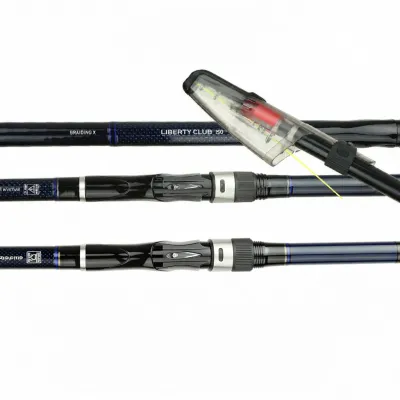
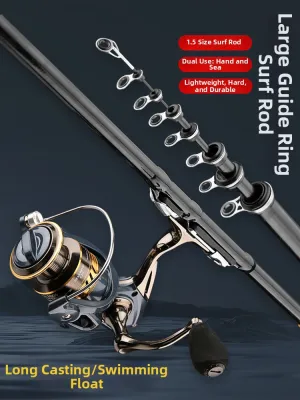
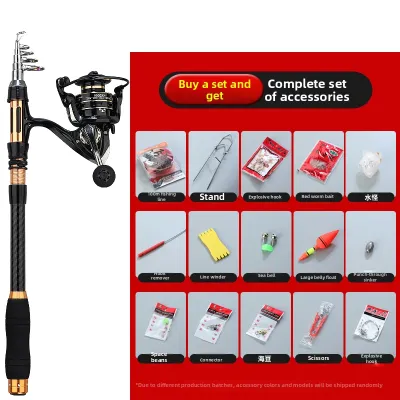
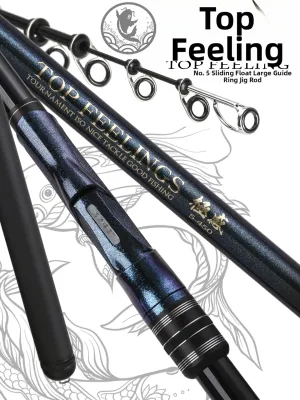
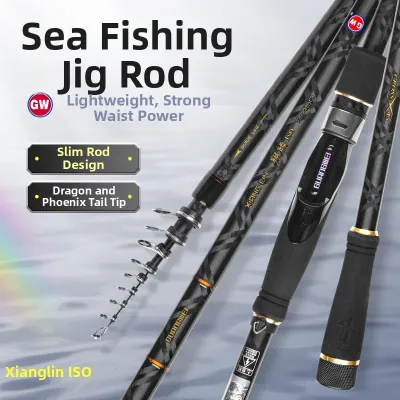
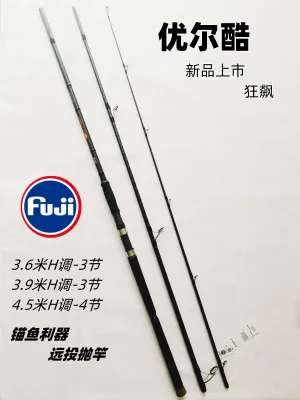
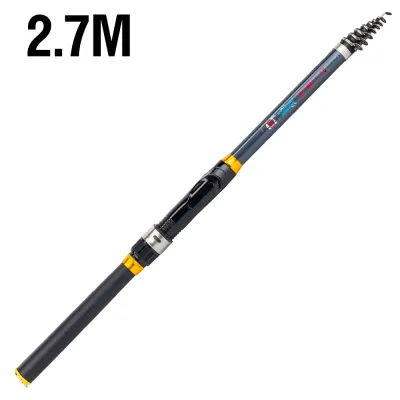
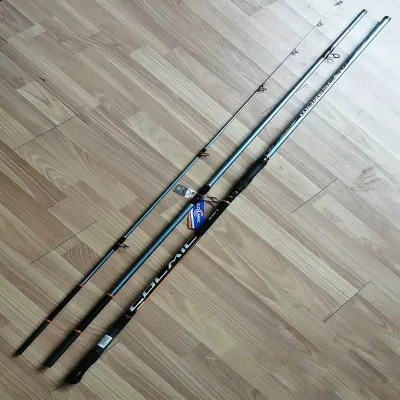
Prices are valid at publication and may change. Please refer to the product page for the latest price.
Power ratings and line weight capacities must be matched to the heavy sinkers required to hold bottom in coastal currents. A medium-heavy power rating, typically rated for 15 to 30 lb line weights, is highly versatile. This rating allows you to cast sinkers weighing between 2 and 5 ounces (approximately 50 to 140 grams) without overloading the rod tip or risking structural failure during a high-velocity cast.
The material of the rod blank directly influences its weight, sensitivity, and durability. Beginners should understand the trade-offs between the three primary blank materials before making a purchase decision.
| Blank Material | Weight | Sensitivity | Impact Resistance | Best Suited For |
|---|---|---|---|---|
| Fiberglass | Heavy | Low | High | Budget-conscious beginners, rough handling |
| Graphite (Carbon) | Light | High | Low (Brittle) | Experienced anglers, delicate bite detection |
| Composite (Blend) | Moderate | Moderate | Moderate-High | All-round beginners, durability with sensitivity |
Given the highly corrosive nature of tropical saltwater, guide ring materials and frame construction are critical to the longevity of your rod. Look for brands that utilize marine-grade stainless steel frames (such as 316 stainless) or titanium-coated frames. The inner ceramic rings should be made of durable materials like aluminum oxide or silicon carbide, which resist grooving and heat buildup caused by the friction of braided lines.
Criteria for Evaluating Surf Rod Brands
When evaluating different surf rod brands in Singapore, the presence of an authorized local distributor is one of the most important factors. Brands with official local backing ensure that you have access to genuine warranty services and direct customer support. If you experience a manufacturing defect or an accidental breakage, a local distributor can expedite the replacement process without the high shipping costs and long wait times associated with overseas returns.

It is crucial to differentiate between dedicated entry-level rod series and heavily discounted older professional models. Professional-grade rods often feature high-modulus graphite blanks that are incredibly thin, lightweight, and brittle. These rods require precise casting techniques and careful handling. Dedicated entry-level series, on the other hand, are engineered with lower-modulus composites that are far more forgiving of accidental impacts against concrete railings or minor casting errors.
Long-term availability of replacement parts is another key consideration. Surf fishing environments expose gear to constant wear, and components like tip-tops and guide rings are prone to accidental damage. Reputable brands design their rods with standardized guide sizes and offer easily sourceable replacement sections, saving you from having to discard an entire rod due to a single broken guide.
Avoid brands that exhibit a lack of transparency in their product specifications. A trustworthy manufacturer will clearly print the line class, casting weight range, blank material, and action profile directly on the rod blank or within their official documentation. Missing or vague specifications, such as labeling a rod simply as “super strong” without numerical limits, are major red flags that indicate poor quality control.
Adapting Your Surf Rod Choice to Singapore's Coastal Conditions
Singapore’s coastal fishing venues require specific rod configurations to maximize success. If you plan to fish from sandy beaches, such as those at Changi Beach Park or East Coast Park, a longer 10-to-11-foot rod is beneficial for casting past shallow flats into deeper water. Conversely, if you frequent elevated concrete structures like Bedok Jetty, a slightly stiffer 9-to-10-foot rod is preferred, as it provides the leverage needed to lift fish up the high drop-off and handle heavy sinkers in strong tidal currents.
The tropical climate in Singapore features high humidity and intense salinity, which accelerate galvanic corrosion between dissimilar metals. To prevent premature degradation, prioritize brands that use high-grade nylon or graphite reel seats with stainless steel hoods. These materials do not rust or seize, ensuring your reel remains securely attached to the rod even after prolonged exposure to salt spray.
Your rod’s power must also align with the size and fighting style of common local coastal species. Target species such as threadfin, barramundi, stingrays, and marine catfish can put up powerful fights, often utilizing strong currents to their advantage. A medium-heavy rod provides the necessary backbone to steer these fish away from underwater obstructions and jetty pilings without risking a clean break.
Transport constraints are a unique but vital consideration for anglers in Singapore. Carrying a long, two-piece 12-foot rod on public buses or the MRT can be highly impractical and may violate local transit size limits. To ensure hassle-free commutes, look for brands that offer high-quality 3-piece, 4-piece, or telescopic travel surf rods that pack down to a length of 110 cm or less, allowing them to fit easily into standard carry bags.
Building a Balanced Beginner Surf Fishing Setup
To achieve optimal casting distance and control, your surf rod must be paired with a compatible reel. For a 10-foot medium-heavy surf rod, a spinning reel in the 4000 to 6000 size range is generally ideal. Ensure the reel features a corrosion-resistant body, a sealed drag system, and sufficient line capacity to handle long runs from larger coastal species.
Your mainline and shock leader strengths must strictly adhere to the limits specified by the rod manufacturer. Beginners should opt for a braided mainline of 20 to 30 lb test, which offers excellent casting distance and sensitivity. This should be paired with a monofilament or fluorocarbon shock leader of 40 to 60 lb test to absorb the extreme kinetic energy generated during a heavy cast and protect the line from abrasive seabed structures.
Before finalizing your setup, verify the compatibility and security of the reel seat. The reel foot should slide smoothly into the hoods of the reel seat, and the locking nut should tighten firmly without binding or slipping. Some surf rods feature double-locking nuts or textured locking rings, which provide extra security against loosening during repeated, high-impact casting sessions.
Your choice of terminal tackle should complement the rod’s action and the local environment. The classic Apollo rig, featuring a two-hook paternoster design, is highly effective for bottom-feeding species in Singapore’s waters. When rigging, ensure the total weight of your sinker and bait falls within the middle of your rod’s rated casting weight range, allowing the blank to load fully and cast efficiently.
Where to Buy and How to Inspect Your First Surf Rod
Purchasing your surf rod through the right channels ensures authenticity and reliable after-sales support. Local tackle shops located in neighborhood heartlands or established fishing hubs are excellent options, as they allow you to physically handle the rods and receive personalized advice from experienced staff. Official brand stores provide guaranteed authenticity and clear warranty paths, while online marketplaces offer convenience but require careful vetting of seller ratings and shipping methods.
Before completing your purchase, perform a thorough physical inspection of the rod to ensure there are no manufacturing defects or transit damages. Use this checklist to verify the structural integrity of the rod:
- Blank Straightness: Assemble the rod and sight down the blank from the butt to the tip to ensure there are no subtle curves, warps, or twists.
- Guide Alignment: Verify that all guide rings are perfectly aligned in a straight line along the spine of the rod.
- Epoxy and Wraps: Inspect the thread wraps securing the guides to the blank; there should be no cracks, bubbles, or peeling in the protective epoxy coating.
- Reel Seat Integrity: Screw the locking nut up and down the threads to ensure smooth operation without binding or slipping.
- Ferrule Fit: Assemble the multi-piece joints; they should fit snugly together with a small gap remaining on spigot joints to allow for natural wear over time.
Ensure the rod is sold with its original protective cloth bag or case, along with a valid warranty card stamped by the authorized dealer. This documentation is essential for any future service claims or parts replacements.
Establishing a realistic initial budget is key to starting your surf fishing journey without overspending. A reliable, durable beginner surf rod in Singapore typically costs between S$80 and S$180. Allocating an additional S$70 to S$130 for a compatible saltwater-rated reel and S$30 for quality line and terminal tackle will give you a highly capable, balanced setup for a total investment of approximately S$180 to S$340.
Frequently Asked Questions (FAQ)
Can I use a standard spinning rod for surf fishing?
While a standard 6-to-7-foot spinning rod can be used in calm, shallow coastal waters, it is highly inadequate for true surf fishing. Standard rods lack the length required to cast heavy sinkers past the breaking waves and do not have the line capacity or structural backbone to handle strong coastal currents and larger marine species. Additionally, standard rods often feature guide frames that are not rated for saltwater, leading to rapid corrosion when exposed to constant salt spray.
How should I clean and store my surf rod after a saltwater session?
After every saltwater session, thoroughly rinse the entire rod with cool, low-pressure fresh water to remove salt deposits and sand. Pay close attention to the guide frames, ceramic inserts, and the reel seat threads, avoiding high-pressure sprays that can force salt crystals deeper into the joints. Wipe the rod down with a soft microfiber cloth and allow it to air dry completely in a shaded, well-ventilated area before storing it vertically in a rod rack or flat in a protective case to prevent warping.

Community discussion
Share your experience or ask a question. Comments are reviewed before publication.