
Choosing a bicycle chain lock for daily commuting to an MRT station requires finding the sweet spot between physical security and carrying comfort. When you leave your bicycle unattended at a public transport hub for several hours, it becomes a target for opportunistic theft. A heavy, hardened steel chain offers excellent resistance against cutting tools, but carrying a massive lock on your daily ride can quickly become exhausting. To make the right choice, you must evaluate your specific parking duration, the security level of the station’s racks, and how you plan to transport the lock during your journey.
Balancing Security and Portability for Daily Commutes
The primary challenge of selecting a bicycle chain lock is managing the relationship between the thickness of the metal links and the overall weight you must carry. Chain links are typically measured by their cross-sectional diameter, ranging from lightweight 5mm options to heavy-duty links exceeding 10mm. While a thicker chain provides superior resistance to manual bolt cutters, it also adds substantial weight to your load. For instance, a robust 10mm chain lock can easily weigh over three kilograms, which can significantly impact your riding dynamics and comfort if carried in a backpack.
When parking at high-traffic MRT stations, you must assess the specific theft risks associated with these environments. Public transport hubs experience constant pedestrian flow, which can discourage brazen theft attempts in broad daylight. However, this high volume of people also allows a thief to blend in easily without drawing immediate attention. If you plan to leave your bicycle parked for the entire workday—typically eight to ten hours—the extended exposure time increases the risk, making a heavier, more secure chain highly advisable.
Products mentioned in this guide
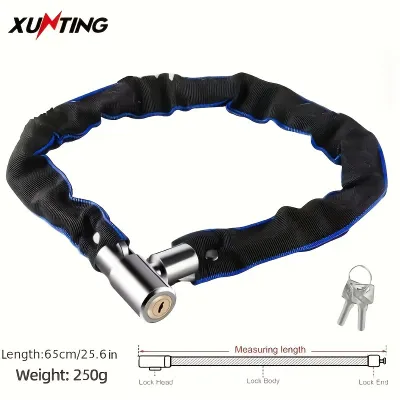
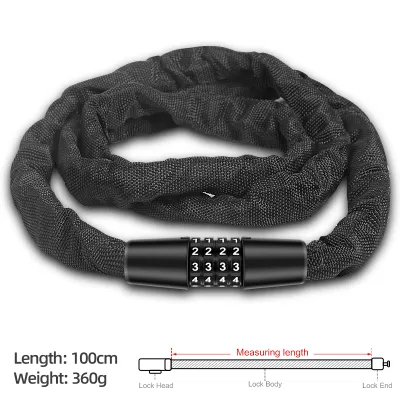
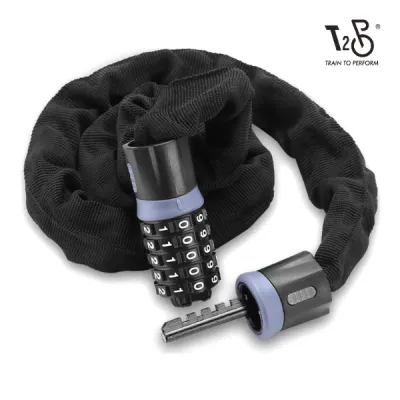
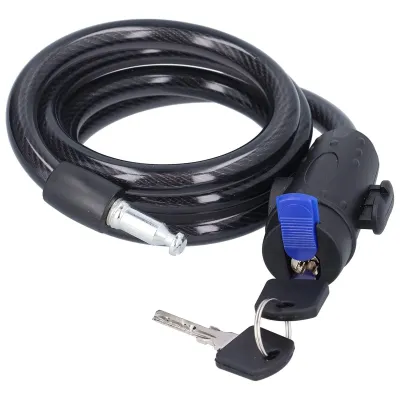
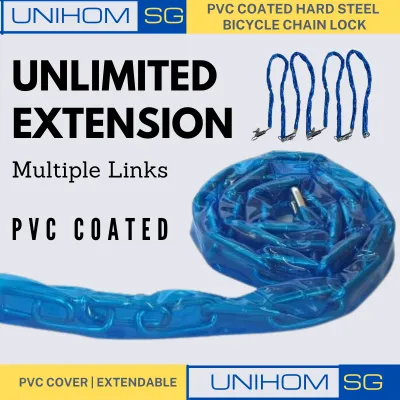
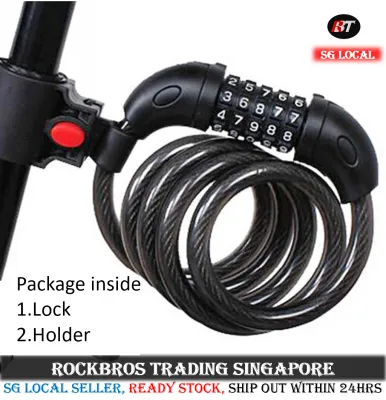
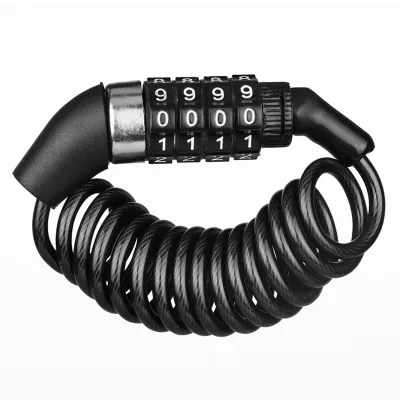
Prices are valid at publication and may change. Please refer to the product page for the latest price.
Conversely, if your transit routine only involves short parking intervals, such as popping into a station to run a quick errand, you can prioritize portability. A lighter chain lock that is easy to deploy and pack away quickly may suffice for these brief stops. Ultimately, you must adjust your security expectations based on how long your bicycle remains out of sight. Remember that any lock is merely a deterrent designed to buy time; your goal is to make your bicycle a less appealing target than the others on the rack.
Essential Specifications to Verify Before Buying
Before purchasing a bicycle chain lock, you must carefully verify several physical specifications to ensure it meets your security and usability needs. Start by examining the lock cylinder, which is the heart of the locking mechanism. Look for disc detainer cylinders rather than standard pin-tumbler designs. Disc detainer systems are highly resistant to picking and bumping, and they often feature integrated anti-drill plates that prevent thieves from quickly drilling through the keyway.

Next, verify the material composition of the chain links. High-quality commuter locks utilize hardened steel alloys, which undergo specialized heat-treatment processes to make the outer surface incredibly hard while keeping the inner core somewhat ductile. This combination helps the chain resist both clean cuts from saws and shattering from freeze or impact attacks. Additionally, ensure the chain is fully enclosed in a durable, weather-resistant fabric sleeve. A heavy-duty nylon or polyester sleeve is essential for protecting your bicycle frame’s paint from scratches and preventing the metal links from clattering against your frame during transit.
You should also evaluate the design of the locking mechanism itself. An integrated lock head, where the chain permanently connects directly to the locking body, is generally more convenient for daily commuting than a separate padlock. This design eliminates a potential weak point and reduces the number of loose parts you have to manage. Finally, check the manufacturer’s specifications for portable storage options. Some locks come with dedicated frame mounting brackets, while others are designed to be wrapped securely around your seat post or carried in a dedicated commuter bag.
Matching the Chain Lock to Your Commuting Scenario
Your daily transit habits and the infrastructure at your local MRT station should dictate the specific dimensions and weight of the chain lock you choose. If your commute involves a rapid transfer where every second counts, a lock that is quick to deploy and secure is vital. In contrast, if you park your bike in a designated, well-monitored indoor bicycle parking hub at the station, you might be able to use a slightly lighter lock compared to parking at an exposed, outdoor rack.
Choosing the correct chain length is critical for ensuring you can actually secure your bicycle to the available infrastructure. A chain that is too short, such as one measuring under 75 centimeters, will limit your parking options, often forcing you to lock only the frame to a thin post. A length of 90 to 110 centimeters is generally the sweet spot for daily commuting. This length provides enough slack to loop through the rear wheel, the bicycle frame, and a standard public U-bar rack, without adding excessive, unnecessary weight.
You must also factor in your preferred carrying method to set a practical weight limit for your lock. If you ride with a commuter backpack, carrying a heavy chain inside can put strain on your shoulders and back over longer distances. If you prefer to mount the lock directly to your bicycle, verify that your frame has sufficient clearance and mounting points to accommodate a bracket. Wrapping a heavy chain around your waist or shoulders while riding is not recommended, as it can shift unexpectedly and interfere with your balance or cause injury during a sudden stop.
Proper Locking Techniques at Public Transport Hubs
Even the strongest bicycle chain lock can be bypassed if it is applied incorrectly. When securing your bicycle at an MRT station, always prioritize locking the most valuable components first. This means threading the chain through the main frame triangle and the rear wheel before securing it to the anchor point. Never lock your bicycle by the front wheel alone, especially if it features a quick-release axle, as a thief can easily remove the wheel and steal the rest of the bike.
Selecting a sturdy, immovable anchor point is just as important as using a high-quality lock. Always use the designated metal bicycle racks provided at the station, ensuring they are firmly bolted or cemented into the ground. Avoid locking your bike to temporary structures, chain-link fences, or thin signposts that can be easily cut, unscrewed, or lifted over. If possible, choose a parking spot that is highly visible, well-lit, and positioned within the line of sight of station security cameras to further deter opportunistic thieves.
Additionally, pay close attention to how you position the lock relative to the ground. Always try to keep the chain and the locking mechanism elevated, wrapping any excess slack tightly around the frame or rack. If the lock or chain rests directly on the pavement, a thief can place one handle of a large bolt cutter on the ground and use their full body weight to press down on the other handle, generating immense cutting force. Keeping the lock off the ground eliminates this leverage advantage and also protects the keyway from ground-level dirt, water, and debris.
Frequently Asked Questions (FAQ)
How do I maintain my chain lock to prevent rust in humid weather?
Singapore’s tropical climate, characterized by high humidity and sudden rain showers, can cause metal lock components to rust quickly if left neglected. After riding in wet weather, make it a habit to wipe down the protective fabric sleeve and let the lock dry completely in a well-ventilated indoor space. Regularly apply a small amount of specialized lock lubricant to the keyway and internal locking mechanism. Check the manufacturer’s instructions to ensure you use a compatible dry-film or Teflon-based lubricant, as heavy wet oils can attract dust and eventually clog the internal pins. If you notice the key becoming difficult to turn, or if deep structural rust begins to form on the chain links, stop using the lock immediately and replace it to avoid getting stranded with a jammed mechanism.
Can I use a chain lock with a folding bike for public transit?
Yes, a chain lock can be highly effective for a folding bicycle, but you must perform a few compatibility checks before buying. Folding bikes have unique, compact frame geometries and smaller wheels, which means a standard-length chain may have too much slack when wrapped around the frame. Measure your folded bike to ensure the chain can secure the main frame components tightly without dragging on the ground. Additionally, consider the storage and carrying limits when bringing your folded bike onto MRT trains. Choose a highly flexible chain lock that can be wrapped tightly around the seat post or stowed in a compact frame bag, ensuring it does not interfere with the folding mechanism or exceed transit size restrictions. Always verify that the station’s parking racks can safely accommodate the lower profile of a folding bike.

Community discussion
Share your experience or ask a question. Comments are reviewed before publication.