
To choose the best bicycle phone mount for Singapore’s Park Connector Network (PCN) in tropical weather, you must balance secure mechanical clamping, vibration dampening, and thermal management. The ideal mount must withstand sudden torrential downpours, high humidity, and intense UV exposure without overheating your device or slipping on wet handlebars.
Riding on the PCN offers a scenic and mostly flat experience, but it also introduces unique environmental and physical challenges. From the coastal winds of the East Coast Park to the shaded paths of the Rail Corridor, your cycling gear is constantly exposed to high moisture levels and rapid temperature shifts. Selecting the right phone mount ensures your navigation remains visible and your device stays securely attached, regardless of sudden weather changes.
By focusing on material durability, mounting security, and weather protection, you can find a mount that keeps your phone safe and accessible. This guide breaks down the essential factors to consider when selecting a phone mount tailored to Singapore’s demanding tropical climate and varied riding surfaces.
Products mentioned in this guide

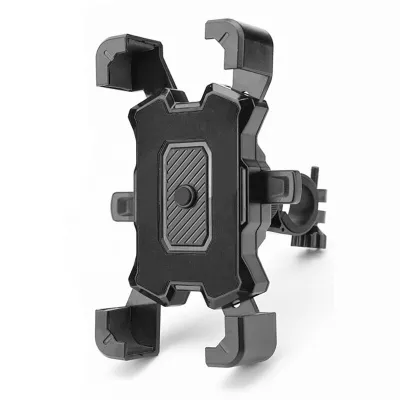
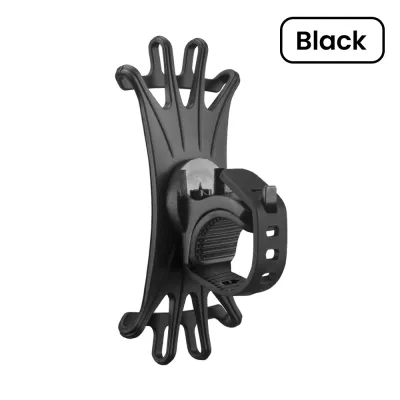
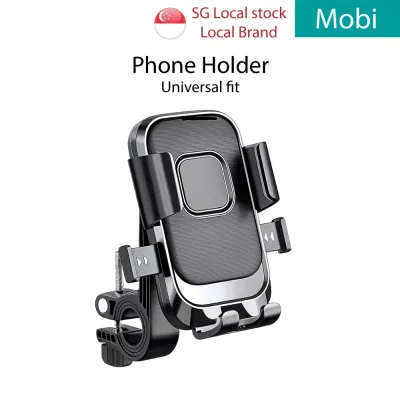
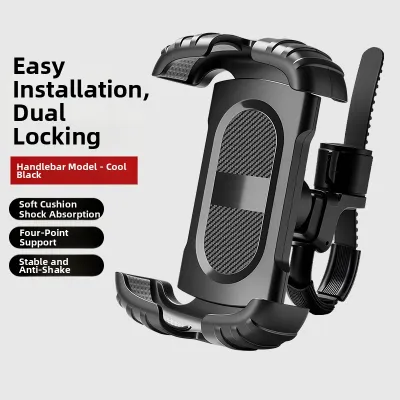
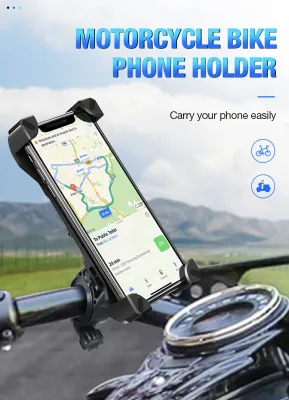
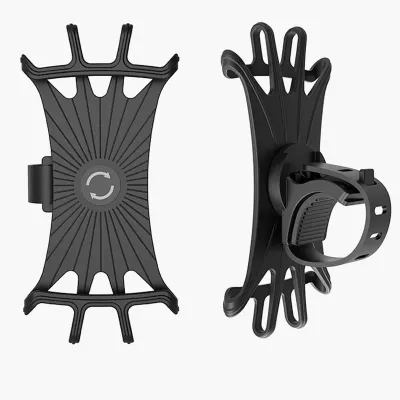
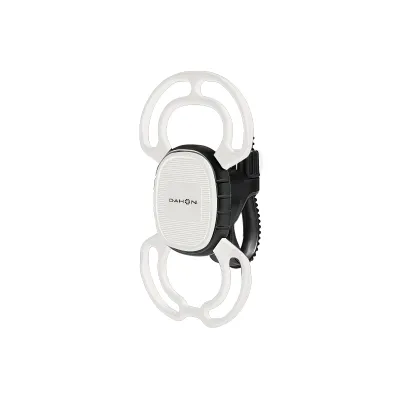
Prices are valid at publication and may change. Please refer to the product page for the latest price.
Understanding the Demands of PCN Cycling and Tropical Weather
Singapore’s tropical climate presents a harsh environment for outdoor electronics and mounting hardware. The most immediate challenge is the unpredictability of the weather, where a clear, sunny sky can transform into a heavy downpour within minutes. High ambient humidity levels mean that moisture lingers in the air, leading to persistent condensation on screens and inside enclosed spaces, which can damage non-water-resistant devices.
Intense ultraviolet (UV) radiation and high ambient temperatures also pose significant risks. Continuous exposure to direct sunlight during midday rides can rapidly degrade low-grade plastics, making them brittle and prone to snapping. Furthermore, metal mounts can absorb heat quickly, transferring high temperatures directly to your phone’s battery and internal components, which can accelerate battery degradation.
While the PCN is generally well-paved and smooth, riders must navigate various surface transitions. Paved paths, wooden boardwalks, tactile paving for the visually impaired, and frequent speed-calming humps generate continuous micro-vibrations. These vibrations, though minor at first, can gradually loosen mounting screws or damage the delicate optical image stabilization (OIS) systems found in modern smartphone cameras.
Key Features to Look for in a Weather-Resistant Mount
When evaluating phone mounts, material composition is your first line of defense against the elements. Look for mounts constructed from UV-stabilized polymers, high-grade polycarbonate, or rust-resistant metals such as anodized aluminum and stainless steel. Avoid cheap, generic plastics that lack UV inhibitors, as they will fade, warp, and crack after only a few months of exposure to the tropical sun.

Weather protection requires a careful trade-off between water resistance and accessibility. Fully enclosed waterproof cases offer excellent protection against heavy rain, but they completely seal the phone, preventing natural airflow. For most PCN riders, an open-frame mount paired with a temporary silicone rain cover or a water-resistant phone is a more versatile setup, allowing you to quickly protect the device only when a downpour begins.
Vibration dampening is another critical feature that protects your phone’s internal hardware. High-quality mounts often incorporate integrated shock absorbers, silicone padding, or rubberized corner grips that isolate the phone from direct handlebar vibrations. When shopping, verify if the mount design includes specific vibration-isolation modules or thick elastomer inserts to cushion your device against rough path transitions.
Mounting Mechanisms and Handlebar Compatibility
The method used to attach the mount to your bicycle determines its stability and ease of use. Clamp-style mounts are highly secure and typically bolt directly onto the handlebar, but they require you to match the clamp size to your handlebar’s diameter, which usually ranges from 22.2mm to 31.8mm. Strap-style mounts made of high-tensile silicone offer universal compatibility and are easy to swap between bikes, though they can stretch or slip slightly when wet.
Grip security is paramount when riding in wet or humid conditions. Sweat, rain, and condensation can act as lubricants, causing poorly designed mounts to rotate or slide along the handlebar. Ensure the mounting bracket includes textured rubber shims or silicone inserts that maintain high friction against the metal or carbon fiber handlebar, even when completely saturated with water.
Quick-release systems are incredibly convenient for PCN cycling, allowing you to detach your phone instantly when stopping at a cafe or seeking shelter from a sudden storm. Look for mechanical-magnetic interfaces or quarter-turn twist locks that allow one-handed operation. Ensure the locking mechanism provides a distinct tactile or audible click so you can verify the phone is securely locked in place before setting off.
Managing Phone Overheating in Direct Sunlight
Phone overheating is a common issue when cycling under the intense Singapore sun, especially when using navigation apps that keep the screen turned on. Fully enclosed waterproof cases act like greenhouses, trapping the heat generated by the phone’s processor and battery. Without airflow, the internal temperature of the phone can quickly exceed safe operating limits, triggering an automatic thermal shutdown.
To prevent overheating, opt for open-frame mounts that leave the back of the phone exposed to the surrounding air. The natural airflow generated while riding helps dissipate heat from the device’s chassis. Additionally, positioning the mount at a slight downward angle can reduce direct sunlight exposure on the screen, making it easier to read while keeping the device cooler.
You can also manage thermal load by adjusting your phone’s settings before you begin your ride. Lower the screen brightness to the lowest comfortable level, close all unnecessary background applications, and avoid charging the phone with a power bank while riding in direct sunlight. If your phone does overheat, stop in a shaded rest area along the PCN, remove the phone from the mount, and let it cool down naturally before resuming your journey.
Maintenance and Care for Humid Conditions
A reliable phone mount requires regular maintenance to ensure its locking mechanisms and materials do not fail prematurely. After every ride, especially those in humid conditions or heavy rain, wipe down the mount with a damp cloth to remove sweat, road grime, and salt residue. If you ride near coastal PCN routes, rinse the mount gently with fresh water to prevent salt buildup from corroding metal parts.
Moisture can easily become trapped between the handlebar and the mounting clamp, leading to hidden corrosion or mold growth. Periodically loosen the mount, slide it aside, and dry both the handlebar surface and the inside of the clamp thoroughly. This simple step prevents damage to your bike’s finish and ensures the rubber shims remain clean and effective.
Finally, inspect all moving parts, springs, and locking joints regularly for signs of stiffness or wear. If the mechanical release button or clamp screw becomes difficult to operate, apply a small drop of dry, Teflon-based lubricant to the pivot points. Be careful not to let any lubricant get onto the silicone grips or contact pads where your phone rests, as this could compromise the mount’s hold on your device.
Frequently Asked Questions (FAQ)
Do I need a fully waterproof case or just a water-resistant mount?
The choice depends on your riding habits and your phone’s built-in water resistance. If you only ride in clear weather and plan to seek immediate shelter during sudden downpours, an open-frame mount is highly recommended because it prevents your phone from overheating. However, if you commute daily regardless of the weather, a fully enclosed waterproof case provides essential protection against heavy rain, though you must monitor your phone’s temperature closely to prevent thermal shutdown.
Will the mount scratch my handlebars in wet conditions?
A phone mount can scratch your handlebars if road grit, sand, or salt particles get trapped underneath the clamp, especially when moisture is present to lubricate the debris. To protect your bike’s finish, always use the protective rubber or silicone shims provided by the manufacturer inside the clamp. Ensure both the handlebar surface and the inside of the clamp are clean and dry before installation, and avoid over-tightening metal clamps directly onto bare metal or carbon fiber.

Community discussion
Share your experience or ask a question. Comments are reviewed before publication.