
Selecting a running hydration vest for Singapore’s tropical climate requires looking past marketing buzzwords and focusing on physical construction. In an environment where relative humidity regularly exceeds 80% and temperatures consistently hover above 30°C, sweat cannot evaporate easily. This makes traditional, heavily padded vests feel like wearable saunas.
While no single brand can claim absolute superiority in breathability without independent laboratory testing, finding the right vest depends on verifying specific mesh structures, back panel designs, and material labels. By understanding how different fabrics and layouts interact with your body’s natural cooling mechanisms, you can select gear that maximizes airflow and keeps you comfortable during long runs along the East Coast Park or through MacRitchie Reservoir.
Key Breathability Features to Check Before Buying
To ensure your running hydration vest does not trap excessive body heat, the first element to inspect is the mesh structure used on the back panel and shoulder straps. Look for 3D spacer mesh or open-weave structures. These designs use a three-dimensional knit that physically lifts the vest’s main body away from your skin, creating a micro-channel of air. This gap allows ambient air to circulate and carry away moisture, rather than trapping a layer of hot, saturated air directly against your back.
Products mentioned in this guide
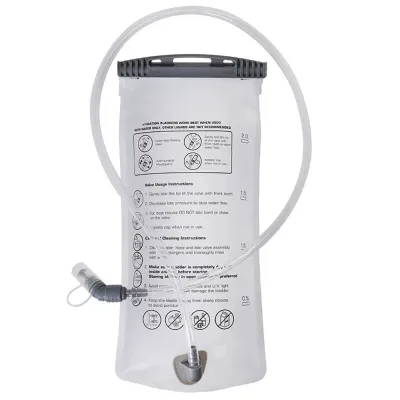
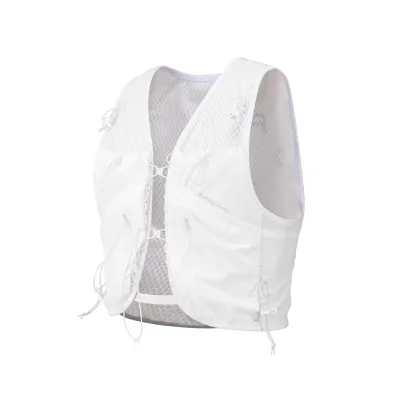
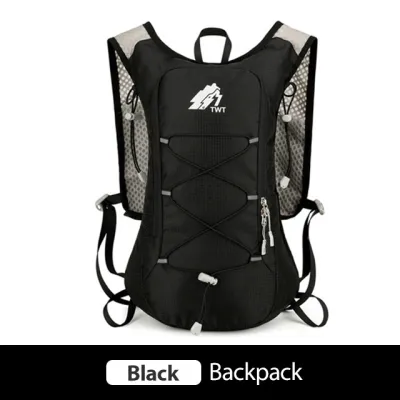
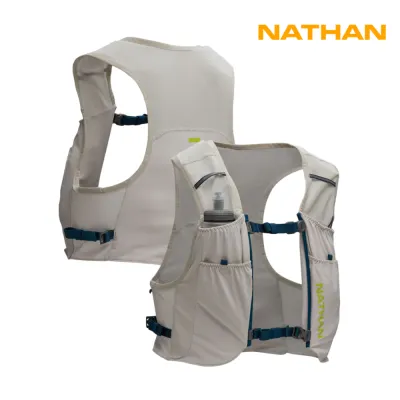
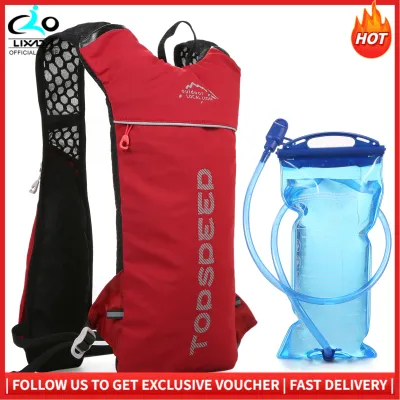
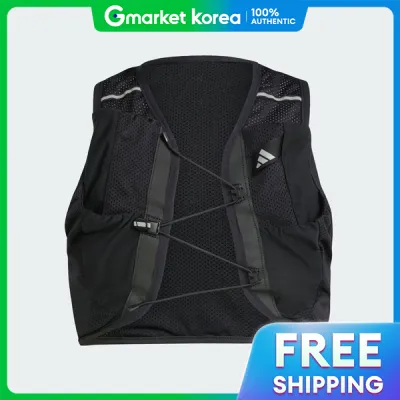
Prices are valid at publication and may change. Please refer to the product page for the latest price.
Next, examine the manufacturer’s material composition tags. High-performance vests utilize lightweight, moisture-wicking synthetic blends such as polyamide, nylon, and elastane. These materials are engineered to pull sweat away from your skin and spread it across a wider surface area for faster evaporation. Avoid vests that incorporate thick neoprene, heavy foam padding, or non-breathable waterproof coatings. While these materials might offer structure or water resistance, they act as thermal barriers that block heat dissipation, leading to rapid overheating in tropical conditions.
Finally, assess the placement and profile of the front chest pockets. Many runners overlook how front-facing storage affects ventilation. Bulky water bottle holsters, zippered utility pockets, and layered storage compartments can cover a significant portion of your chest, effectively blocking airflow across your upper torso. Opt for vests that feature streamlined, low-profile front pockets made of highly stretchable, single-layer mesh. This design ensures that even when you carry soft flasks, the surrounding fabric remains thin enough to allow heat to escape from your chest.
Evaluating Brand Design Approaches for Humid Climates
When browsing different brands, it is crucial to differentiate between trail-specific vests and lightweight road or fast-packing models. Trail-specific vests are often built to withstand rugged environments, featuring more structured, abrasion-resistant fabrics and extensive storage options. While highly durable, these materials tend to be denser and less breathable. Conversely, road-running and minimalist vests prioritize minimal coverage and ultra-lightweight fabrics, making them inherently better suited for high-humidity environments where carrying heavy gear is not a priority.

To identify which models excel in ventilation, review product descriptions for targeted ventilation zones and laser-cut perforations. Many premium brands design their vests with variable-density mesh, placing the most open, porous fabrics in high-sweat areas like the center of the back and under the arms. Channeled back panels, which feature physical grooves molded into the padding, also help channel air upward as you move. These engineered pathways encourage convective cooling, which is vital when running in still, humid air.
Because brand marketing often relies on subjective terms like “ultimate cooling” or “zero-feel comfort,” you should rely on verified user reviews to gauge real-world performance. Look specifically for feedback from runners operating in tropical climates who discuss sweat accumulation and drying times. A vest that dries quickly in arid conditions may perform poorly in Singapore’s saturated air. Pay attention to comments regarding whether the vest becomes heavy and waterlogged after an hour of running, as this indicates poor moisture-wicking and drainage capabilities.
Fit and Adjustability: The Hidden Factor in Airflow
The fit of your running hydration vest plays a critical role in how well it breathes. A common mistake is choosing an overly tight vest in an attempt to eliminate bounce. While stability is important, excessive compression presses the fabric flat against your skin, crushing the 3D spacer mesh and eliminating the air gaps necessary for ventilation. This tight seal traps body heat and sweat, leading to rapid chafing and discomfort. The ideal fit should be snug enough to prevent shifting but loose enough to allow a thin layer of air to move beneath the fabric.
Adjustability is equally important for maintaining airflow during high exertion. Ensure the vest features adjustable sternum straps that can be easily loosened or tightened on the fly. As you run, your breathing deepens, and your chest expands. If the straps are too rigid or restrictive, they will force the vest to press harder against your chest and back, restricting both your breathing and the air circulation around your torso. Look for elasticated or highly adjustable cord systems that expand dynamically with your ribcage.
Before making a purchase, test the vest with fully loaded flasks or a hydration bladder. The added weight of water can dramatically alter how the vest sits on your body. In some designs, a heavy bladder pulls the back mesh tight against your spine, flattening the ventilation channels and reducing the air gap to zero. If you observe that loading the vest causes the back panel to press flat against your skin without any structural separation, the vest’s breathability will be significantly compromised during your runs.
Maintenance and Care to Preserve Moisture Management
To maintain the breathability and moisture-wicking performance of your vest over time, proper maintenance is essential. Every time you run in Singapore’s heat, your sweat leaves behind salt, body oils, and minerals. If left dry, these substances crystallize within the fine pores of the mesh fabric. Over time, this salt buildup stiffens the fibers, clogs the open-weave structures, and severely restricts airflow. To prevent this, rinse your vest thoroughly with cold, fresh water immediately after every run, ensuring all sweat-heavy zones are cleared.
When washing your vest, avoid using fabric softeners, bleach, or harsh chemical detergents. Fabric softeners work by leaving a thin, waxy chemical coating over fabric fibers to make them feel softer. While this might be desirable for casual wear, it ruins technical athletic gear by clogging the microscopic pores of synthetic fibers, completely destroying their moisture-wicking and breathable properties. Instead, use a mild, liquid sports detergent specifically formulated for technical apparel, and wash the vest on a gentle cycle or by hand.
Drying your vest correctly is the final step in preserving its structural integrity. Always air-dry the vest in a well-ventilated, shaded area rather than exposing it to direct sunlight or using a tumble dryer. High heat and ultraviolet (UV) rays degrade the elastic fibers, polyurethane coatings, and bonded seams common in modern hydration vests. This degradation can cause the mesh to lose its shape, sag, and fail to hold its 3D structure, ultimately reducing both the fit and the ventilation performance of the gear.
Decision Framework: Matching Vest Specs to Your Run Profile
To make a final decision, you must match the technical specifications of the vest to your specific running profile, distance, and sweat rate. For short, high-intensity runs lasting under an hour, prioritize ultra-lightweight, minimal-strap designs with maximum skin exposure. These minimalist vests hold only the essentials—such as a single soft flask and your phone—allowing the rest of your torso to remain uncovered. This setup maximizes natural sweat evaporation and keeps your core temperature as low as possible.
For long-distance training runs or trail sessions requiring more gear, opt for structured vests featuring wide 3D mesh back panels and distributed weight systems. These models are designed to carry multiple liters of water, nutrition, and safety gear without bouncing. Because you will be wearing this vest for several hours, look for designs that utilize premium, ultra-thin mesh on the shoulder straps and a highly ventilated back panel to offset the heat generated by the larger surface area of the gear.
Finally, because individual body shapes and sweat rates vary greatly, always verify the retailer’s return or exchange policy before purchasing. Many specialized running stores in Singapore offer return windows or satisfaction guarantees. If possible, test the vest at home with clean, dry gear inside to assess the fit and contact points. If you find that the vest chafes or feels excessively hot during a dry fitting, it is highly likely to cause discomfort during an actual outdoor run in the humid heat.
Frequently Asked Questions (FAQ)
Does wearing a hydration vest increase the risk of heat exhaustion?
Wearing any additional layer of gear adds a slight thermal load to your body, which can marginally increase heat retention. However, a hydration vest itself is not a direct cause of heat exhaustion; rather, dehydration, lack of electrolytes, and overexertion in high humidity are the primary risks. To stay safe, focus on maintaining a steady hydration schedule, replacing lost electrolytes, and adjusting your running pace to match the weather. If you begin to feel dizzy, nauseous, or unusually fatigued, stop running immediately, seek shade, and sip cool water.
Are hydration bladders better than soft flasks for keeping water cool?
Hydration bladders and soft flasks manage water temperature differently due to their placement on your body. Rear-mounted hydration bladders sit directly against your back, meaning they absorb a significant amount of body heat, which can quickly warm the water. Front-mounted soft flasks benefit from ambient airflow as you move forward, but they are also directly exposed to the tropical sun. To keep your water cool, consider using insulated sleeves for your bladder or flasks, or partially freeze them before your run, provided the manufacturer’s instructions explicitly permit freezing.

Community discussion
Share your experience or ask a question. Comments are reviewed before publication.